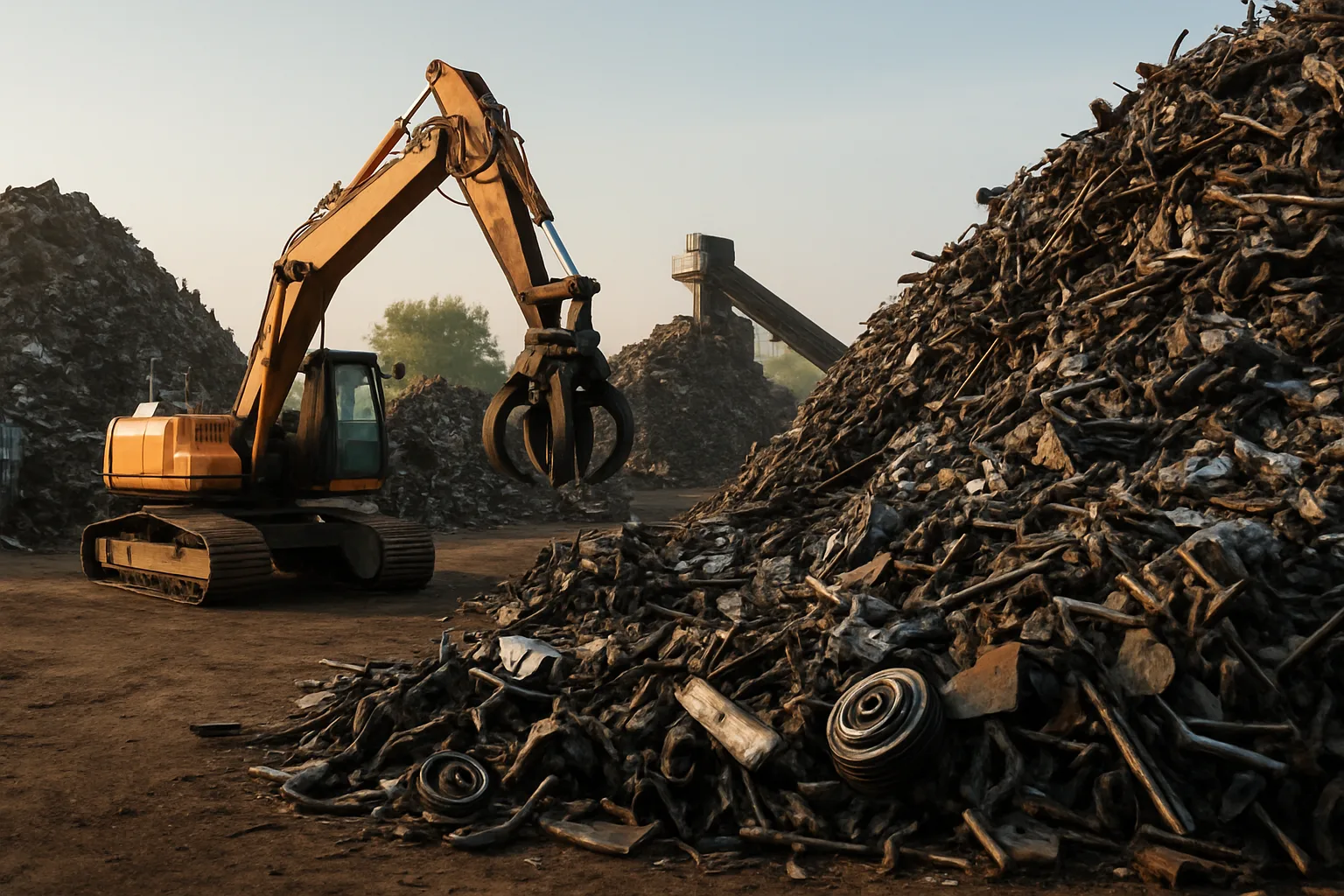
What Actually Happens to Your Old Radiator or Alternator When You Scrap It
Most people drop off a busted alternator or a blown radiator at the yard and never think twice about where it goes. But understanding what happens next — and why the metal composition matters — can help you make smarter decisions about scrap metal prices today and how much you should expect to walk away with. Auto parts aren't just junk. They're layered combinations of valuable metals, and knowing that changes how you approach the sale.
This guide breaks down how common auto parts get recycled, which metals they contain, and how to position yourself to get the best return — especially if you're selling in Minneapolis or anywhere across Minnesota.
Why Auto Parts Are Worth More Than They Look
A radiator sitting on your shop floor might look like scrap. But inside that beat-up shell is a mix of aluminum, copper, and brass — three of the more valuable non-ferrous metals in the recycling stream. Alternators carry copper windings inside a steel housing. Starters are similar. Even your car's steel frame, once stripped, adds up fast by weight.
The reason scrap metal prices for auto parts can swing significantly is the complexity of separating those materials. Processors pay based on what they can extract and at what cost. The cleaner and more sorted your load, the better the price discovery process works in your favor.
- Radiators: Typically aluminum or copper-brass construction. Aluminum radiators are now the standard in most vehicles built after the mid-2000s. Copper-brass units came in older vehicles and carry a higher per-pound value.
- Alternators: Steel casing, copper wire windings. Usually sold as a unit ("whole alternators") at a flat per-pound rate, or cracked open to separate the copper — which pays more but takes labor.
- Starters: Similar to alternators in composition. Mostly steel with copper content inside.
- Electric motors (from power windows, HVAC fans, etc.): Copper-wound motors. Higher copper density means better scrap value per pound.
- AC compressors: Steel shell with aluminum components. Often sold as a mixed assembly unless the yard asks you to separate them.
If you're sitting on a pile of these parts, don't assume one price fits all. Each has its own classification at the yard — and sell your scrap metal at top prices on Sell Scrap Metal to make sure you're not leaving money behind by lumping everything together.
The Recycling Process: From Drop-Off to Melt
Here's what actually happens after your parts hit the yard. It's a multi-step process, and each stage adds or removes value depending on how the material comes in.
Step 1 — Sorting and Classification
The yard grades incoming material. A whole, dirty alternator gets classified differently than a clean, cracked alternator with the copper windings already separated. A clean copper-brass radiator pays more than a mixed aluminum unit with plastic end caps still attached. Preparation matters.
Step 2 — Shredding or Manual Separation
Large shredders process full auto bodies. Individual parts often go through manual or mechanical separation first. Aluminum gets separated from steel. Copper windings get pulled from steel housings. This labor cost gets priced into what the yard offers you — which is one reason selling in volume or in cleaner condition helps your bottom line.
Step 3 — Downstream Processing
Once separated, metals move to smelters or secondary refiners. Aluminum gets melted and cast into ingots for automotive or packaging manufacturers. Copper gets refined into rod or bar stock. Steel gets bundled and sent to electric arc furnaces. Every pound of material that leaves a recycling yard in Minnesota eventually ends up back in a manufactured product.
Step 4 — Pricing and Settlement
This is where transparency gets murky in the traditional model. Most yard operators are working with a single buyer relationship or an internal pricing desk. You get one number, take it or leave it. That's the old way. Platforms like compare scrap metal bids from verified buyers using a competitive auction format — which helps reveal the actual market value of your material instead of one buyer's offering price.
Scrap Metal Prices Today: What Drives the Numbers on Auto Parts
If you're watching scrap metal prices today and wondering why your quote changes week to week, here are the real variables at play. This isn't guesswork — it's commodity pricing tied to global demand, energy costs, and currency movements.
London Metal Exchange (LME) benchmarks drive copper and aluminum pricing globally. When copper spikes on the LME, your alternator windings and copper-brass radiators are worth more. When aluminum softens, those modern aluminum radiators pay less per pound. You can track spot prices daily, but the spread between LME spot and what any individual yard pays will vary based on their processing costs and buyer relationships.
Other factors that move the number on your auto parts:
- Cleanliness of the part — Plastic, rubber, and fluid contamination reduce value. Strip what you can.
- Volume — A single alternator pays less per pound than a skid of fifty. Yards price in handling costs.
- Market demand cycles — Auto manufacturing slowdowns reduce demand for secondary aluminum and copper. Construction booms increase it.
- Local competition — In a market like Minneapolis, multiple buyers competing for non-ferrous material creates better price discovery than a single-buyer market.
- Part type and grade — Yards have internal classification systems. Knowing which grade your part falls into puts you in a stronger negotiating position.
Disclaimer: Scrap metal prices fluctuate daily based on commodity markets. Always check current rates before you sell. The values referenced here are for educational purposes only.
How to Maximize Your Return on Auto Parts in Minneapolis
Selling auto parts for scrap in Minneapolis isn't complicated, but a few habits separate sellers who consistently get strong prices from those who leave money at the counter every time.
Know what you have before you walk in. A copper-brass radiator and an aluminum radiator are not the same thing. Flip it over, look at the core fins. Copper fins are a yellowish-orange. Aluminum fins are silver-grey. That distinction alone can be worth a meaningful price difference per pound — and the yard isn't always going to volunteer that information upfront.
Remove plastic and rubber end tanks from radiators. Many yards require this anyway. If your radiator still has plastic end tanks attached, it gets classified lower. A few minutes with a screwdriver and a blade changes the grade and the payout.
Don't crack alternators unless you know the math. Opening an alternator to sell the copper windings separately pays more per pound on the copper — but you need to weigh whether the time is worth it. If you're doing this commercially and processing dozens of units, yes. If you have three alternators in a barn, maybe not.
Sellers using Minneapolis scrap metal services through platforms like SMASH benefit from vetted buyers who compete for non-ferrous loads — which means the price you get reflects actual market demand rather than one buyer's margin target. That's a different outcome than the traditional one-call, one-quote model.
If you're running a shop or a dismantling operation in Minnesota and moving volume regularly, the documentation side matters too. Photo documentation, packing lists, and accurate inventory records all build buyer confidence — and that confidence shows up in the bids.
Why the Auction Model Changes Everything for Auto Parts Sellers
The conventional scrap yard call goes like this: you describe your load, the buyer gives you a number, you either take it or shop it around manually. That process is slow, opaque, and almost always favors the buyer over the seller.
A scrap metal auction platform flips that dynamic. You document your material — photos, weights, grades, part types — and multiple vetted buyers compete for it. Competition reveals the market. That's not a theory; it's how every commodity market with functioning price discovery works.
SMASH operates exactly that way. No subscription fees. Vetted buyers. Auction format. Auto-invoicing when a deal closes. The platform works for individual loads or regular volume — and it's built to handle the complexity of mixed auto parts loads where the grade breakdown needs to be clear for buyers to bid confidently.
Whether you're selling a single load of radiators out of a Minneapolis auto shop or moving cores and non-ferrous material from a Minnesota dismantler, the principle is the same: more buyers, more competition, better price discovery. Explore scrap metal selling guides to understand how to prep your material for better outcomes at every step.
When you're ready to move your material, get a fair price for your scrap today — and let the market tell you what it's actually worth.
Frequently Asked Questions
Q: What are scrap metal prices today for radiators in Minneapolis?
Prices fluctuate daily based on LME copper and aluminum spot rates. Copper-brass radiators carry a higher per-pound value than aluminum units. Check current rates with local Minneapolis yards or use a platform like SMASH to get competitive bids. Always confirm pricing the day you plan to sell — rates can shift meaningfully within a week.
Q: Should I separate the copper windings from an alternator before scrapping it?
It depends on your volume and time. Separated copper windings pay more per pound than a whole alternator unit. If you're processing a large quantity, the labor investment makes sense. For small quantities, most sellers find it easier to sell whole alternators and accept the blended rate the yard offers.
Q: How do I find reliable scrap metal buyers near me in Minneapolis?
Start with local yard searches, but don't stop at one quote. Platforms like SMASH connect you with vetted buyers who compete for your material — which helps ensure the price reflects actual market demand rather than a single buyer's margin. Volume, material grade, and preparation all affect what you're offered.
Q: Does it matter how clean my auto parts are when I sell scrap metal in Minnesota?
Absolutely. Contaminated or mixed material gets downgraded at most yards. Removing plastic end tanks from radiators, draining fluids, and sorting ferrous from non-ferrous material before drop-off can meaningfully improve your classification and your payout. Clean loads also build buyer confidence, which matters on auction platforms.
Q: What is a scrap metal auction platform and how does it help me sell auto parts?
A scrap metal auction platform lets multiple vetted buyers compete for your load rather than giving you a single take-it-or-leave-it quote. SMASH is one example — you document your material, it goes to auction, and competitive bidding helps reveal the actual market value. No subscription fees, and the process works for everything from radiators and alternators to full non-ferrous loads.
---If you've got auto parts stacking up — radiators, alternators, cores, or anything else — don't settle for the first number someone throws at you. Know your material, prep it properly, and use competitive platforms to let the market work in your favor. Sell your scrap metal at top prices and request a pickup at sell-scrapmetal.com.
Stay current on scrap metal market trends and pricing insights — follow SMASH on LinkedIn for regular updates straight from inside the industry.