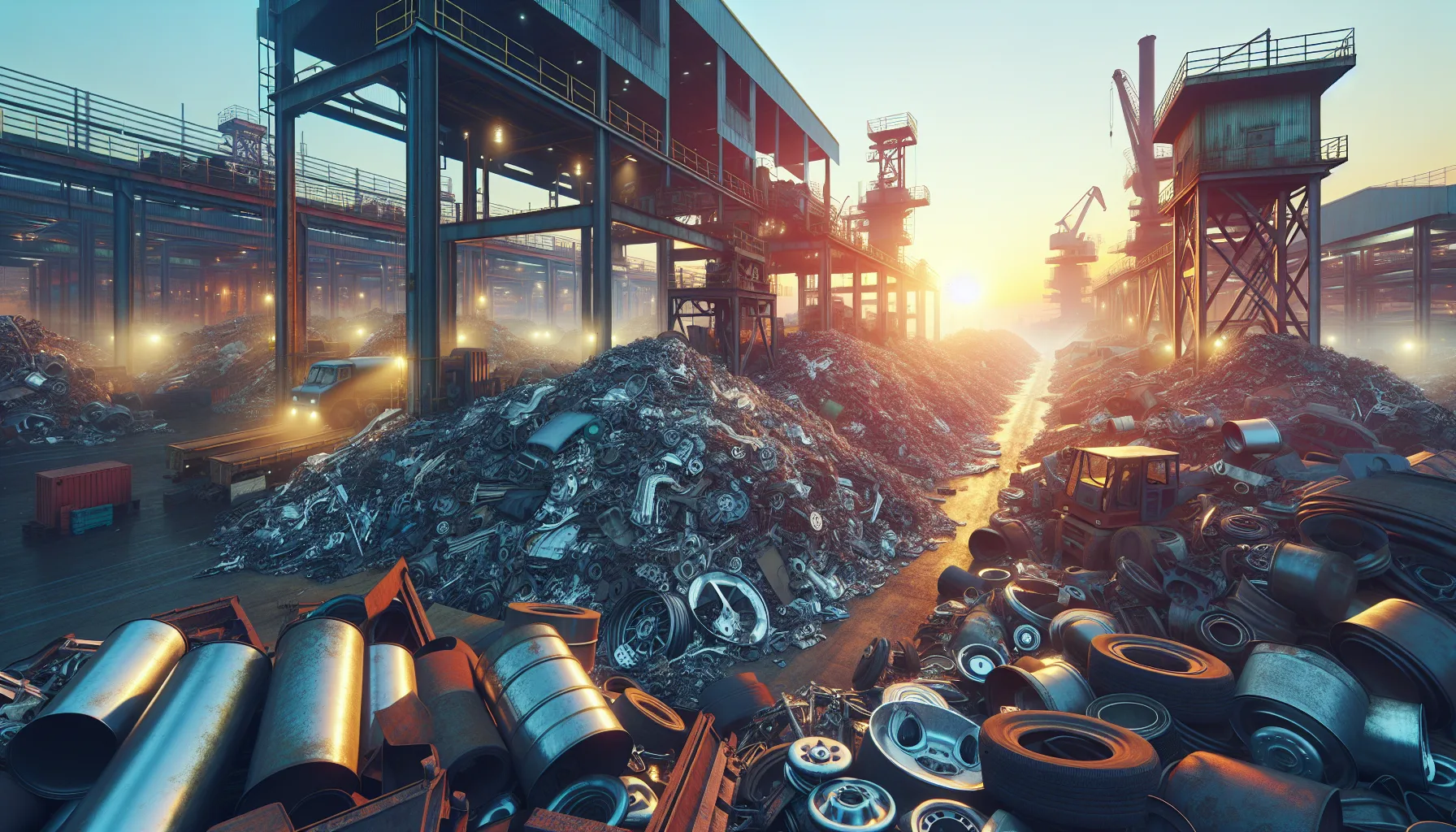
Last month, a Baltimore auto shop owner named Marcus discovered $3,200 worth of scrap metal sitting in his back lot — all from recycled radiators and alternators he'd been accumulating for years. With steel scrap price today reaching competitive levels and aluminum commanding premium rates, automotive parts recycling has become a significant revenue stream for both individual car owners and businesses across Maryland.
Auto parts recycling isn't just about environmental responsibility anymore. It's a profitable venture that transforms worn-out components into valuable commodities. Radiators, alternators, starters, and other automotive parts contain substantial amounts of aluminum, copper, and steel — metals that consistently command strong prices in today's market.
Understanding which parts hold the most value and how to prepare them for sale can dramatically increase your returns. Whether you're a mechanic in Baltimore dealing with daily part replacements or a car owner facing a major repair decision, knowing the recycling potential of auto parts helps you make informed financial choices.
The Hidden Value in Common Auto Parts
Radiators represent one of the most valuable automotive components for scrap metal recycling. These heat exchangers contain significant amounts of aluminum and copper — two metals that consistently perform well in current market conditions. A typical car radiator weighs between 15-25 pounds and consists of approximately 70% aluminum.
The aluminum content makes radiators particularly attractive to scrap dealers. Current market conditions show aluminum maintaining strong pricing, especially when properly separated from other materials. Copper tubing within radiators adds additional value, though modern radiators use less copper than their predecessors from previous decades.
Alternators present another excellent recycling opportunity. These electrical components contain copper windings, aluminum housings, and steel mounting brackets. A standard alternator typically weighs 8-15 pounds, with copper comprising the most valuable portion. The copper windings inside alternators often contain 2-4 pounds of recoverable copper wire.
Starters follow similar patterns to alternators in terms of material composition. They contain copper windings for the electromagnetic components and steel for the housing and mounting hardware. Catalytic converters, while not traditional auto parts in the same category, deserve mention for their platinum group metals — though these require specialized handling and verification through platforms like SMASH Scrap — where verified buyers bid on your metal.
Preparation Methods That Maximize Scrap Value
Proper preparation significantly impacts the final payment you receive for automotive scrap metal. Clean separation of materials typically results in higher per-pound rates compared to mixed or contaminated loads. The effort invested in preparation often pays substantial dividends.
For radiators, removing the plastic tanks increases the aluminum's value. Most radiators feature plastic end tanks that can be easily removed with basic tools. The aluminum core becomes more valuable when separated from plastic components. However, avoid using destructive methods that might contaminate the aluminum with steel fragments or other materials.
Alternator preparation involves removing the outer steel housing to access the copper windings inside. This process requires some mechanical knowledge and appropriate tools. The copper windings represent the highest-value component, often worth significantly more per pound than the aluminum housing or steel brackets.
Steel components from auto parts should be sorted into clean steel categories. Remove rubber, plastic, and non-ferrous attachments when possible. Clean steel commands better prices than contaminated material, and buyers appreciate sellers who take time to properly prepare their loads.
Documentation helps establish credibility with buyers, especially for higher-value components. Maintaining records of part origins, removal dates, and preparation methods can be beneficial when working with established scrap yards or auction platforms.
Market Dynamics Affecting Auto Parts Recycling
Current scrap metal prices today reflect strong demand for recycled automotive materials. The automotive industry's continued growth, combined with sustainable manufacturing initiatives, drives consistent demand for recycled aluminum, copper, and steel from auto parts.
Aluminum prices benefit from the automotive industry's lightweighting trends. Manufacturers increasingly use aluminum components to improve fuel efficiency, creating steady demand for recycled aluminum from radiators and other parts. This trend supports stable pricing for automotive aluminum scrap.
Copper demand remains robust due to electrical vehicle proliferation and infrastructure development. Auto parts containing copper windings, such as alternators and starters, benefit from this sustained demand. Maryland's proximity to major manufacturing centers provides additional market advantages for scrap sellers.
Regional factors influence pricing within the Baltimore market. Transportation costs, local processing capabilities, and regional demand patterns all impact final pricing. Working with buyers who understand local market dynamics can result in better pricing outcomes.
The emergence of B2B scrap metal marketplace platforms has transformed how auto shops and individual sellers connect with buyers. These digital platforms increase competition among buyers, often resulting in better prices for sellers. SMASH exemplifies this trend by bringing transparency and competitive bidding to the scrap metal market.
Success Stories from Baltimore Area Recyclers
Marcus's auto repair shop in Baltimore provides an excellent case study in systematic auto parts recycling. Over 18 months, he developed a process for collecting, preparing, and selling radiators and alternators from customer vehicles. His systematic approach generated an additional $8,400 in revenue during this period.
The key to Marcus's success involved establishing clear procedures with customers regarding removed parts. When customers authorized new part installations, Marcus retained the old components for recycling. He invested in basic preparation tools and dedicated storage space for accumulating materials until he had sufficient volume for sale.
Another Baltimore-based success story involves a fleet maintenance company that partnered with a local scrap dealer to handle their alternator and starter recycling. By committing to regular pickup schedules and consistent material quality, they negotiated favorable pricing terms that generated $15,000 annually in additional revenue.
Individual success stories demonstrate that auto parts recycling isn't limited to commercial operations. A Towson resident who rebuilds classic cars as a hobby discovered significant value in the parts he removes during restoration projects. His careful preparation and timing of sales based on market conditions generated $2,800 over two years from radiator and alternator recycling alone.
These examples highlight the importance of systematic approaches, proper preparation, and market timing. Successful recyclers understand that consistency and quality preparation typically generate better long-term results than sporadic, unprepared sales.
Leveraging Technology for Better Returns
Modern technology has revolutionized how auto parts recyclers connect with buyers and track market conditions. Digital platforms provide real-time pricing information and streamline the selling process. SMASH scrap metal auction represents this technological evolution by creating transparent, competitive marketplaces for scrap materials.
Mobile apps allow recyclers to photograph materials, receive preliminary quotes, and schedule pickups without lengthy phone negotiations. This convenience particularly benefits smaller-scale recyclers who may not have established relationships with local yards. The ability to compare multiple offers ensures competitive pricing.
Inventory tracking systems help recyclers monitor accumulation rates and plan sales timing. Understanding seasonal patterns, market trends, and optimal lot sizes can significantly impact total returns. Some recyclers use simple spreadsheets, while others employ specialized software designed for scrap metal management.
GPS technology enables more efficient pickup scheduling and route optimization for mobile buyers. This efficiency often translates to better pricing for sellers, as reduced transportation costs allow buyers to offer higher per-pound rates. Maryland's highway infrastructure supports efficient pickup services throughout the Baltimore region.
When you're ready to sell your scrap metal at top prices on Sell Scrap Metal, these technological tools ensure you receive maximum value for your automotive recycling efforts.
Navigating Regulations and Best Practices
Auto parts recycling operates within specific regulatory frameworks designed to protect both recyclers and the environment. Understanding these requirements ensures compliance while maximizing returns. Maryland maintains clear guidelines for automotive waste handling and scrap metal transactions.
Documentation requirements vary by material type and transaction size. Most legitimate buyers require identification and proof of ownership for automotive components. This documentation protects all parties and helps maintain the integrity of the recycling chain. Keeping maintenance records and receipts demonstrates legitimate ownership of removed parts.
Environmental considerations play increasingly important roles in auto parts recycling. Proper fluid drainage from radiators and other components prevents contamination and ensures compliance with environmental regulations. Most reputable scrap dealers provide guidance on acceptable preparation methods.
Safety protocols protect recyclers during preparation activities. Auto parts may contain sharp edges, residual fluids, or other hazards. Using appropriate personal protective equipment and following established procedures prevents injuries and ensures consistent preparation quality.
Working with established, licensed recyclers provides additional protection and often better pricing. Licensed operations typically offer more transparent pricing, proper documentation, and reliable service. Platforms like SMASH verify buyer credentials, providing additional security for sellers.
Building relationships with reputable buyers can lead to preferential treatment, better pricing, and more convenient service options. Consistent sellers who deliver clean, well-prepared materials often receive priority consideration and competitive rates. When you're ready to get a fair price for your scrap today, these relationships prove invaluable.
Maximizing Long-Term Returns
Successful auto parts recycling requires strategic thinking beyond individual transactions. Understanding market cycles, building inventory during favorable conditions, and timing sales for optimal pricing can significantly increase annual returns. The aluminum recycle value fluctuates based on global supply and demand factors, making timing an important consideration.
Volume accumulation often leads to better per-pound pricing. Many buyers offer premium rates for larger lots, making it worthwhile to accumulate materials over time rather than selling individual pieces. Storage considerations and cash flow requirements must be balanced against potential pricing advantages.
Diversification across multiple material types reduces exposure to price volatility in any single commodity. Auto shops typically generate copper from alternators, aluminum from radiators, and steel from various components. This diversification provides more stable revenue streams compared to focusing on single materials.
Market education helps recyclers make informed decisions about timing and preparation methods. Following industry publications, joining recycling associations, and monitoring commodity prices provides valuable insights. The scrap metal prices today reflect complex global factors, but understanding basic trends helps optimize selling decisions.
Technology adoption continues evolving rapidly in the scrap metal industry. Staying current with new platforms, pricing tools, and market access methods ensures continued competitiveness. Early adopters of new technologies often benefit from improved pricing and more efficient processes.
For comprehensive market insights and industry trends, explore scrap metal selling guides that provide detailed analysis of current conditions and future projections. These resources help develop long-term strategies for maximizing auto parts recycling returns.
Frequently Asked Questions
Q: What is the steel scrap price today in Baltimore?
Steel scrap prices fluctuate daily based on market conditions, but current rates in the Baltimore area typically range from $180-220 per ton for clean auto parts steel. Contact local buyers or use online platforms for current pricing, as rates change frequently based on global supply and demand factors.
Q: How much can I expect to earn from recycling a car radiator?
A typical aluminum car radiator weighing 15-20 pounds can generate $15-35 depending on current aluminum prices and preparation quality. Properly cleaned radiators with plastic tanks removed typically command higher per-pound rates than mixed or contaminated materials.
Q: Do I need special permits to sell auto parts for scrap in Maryland?
Individual sellers typically don't need special permits for occasional auto parts recycling, but must provide valid identification and proof of ownership. Commercial operations may require additional licensing. Always work with licensed buyers who maintain proper documentation procedures.
Q: Which auto parts contain the most valuable metals?
Alternators and starters contain valuable copper windings, while radiators provide aluminum content. Catalytic converters contain platinum group metals but require specialized handling. Air conditioning condensers also contain aluminum and copper, making them valuable recycling targets.
Q: How can I find the best prices for my automotive scrap metal?
Use online platforms like SMASH to compare multiple buyer offers, contact several local yards for quotes, and monitor current commodity prices to understand market conditions. Proper preparation and timing your sales based on market trends can significantly impact your returns.
The automotive recycling industry continues evolving with new technologies and market opportunities. Whether you're an established shop owner or someone with a single radiator to sell, understanding proper preparation methods and market dynamics helps maximize your returns. Sell your scrap metal at top prices — request a pickup at sell-scrapmetal.com and discover how professional buyers compete for your materials.
Stay connected with industry developments and market insights by following SMASH on LinkedIn at https://www.linkedin.com/company/scrap-metal-auction-sales-hub for the latest scrap metal market updates and recycling trends.