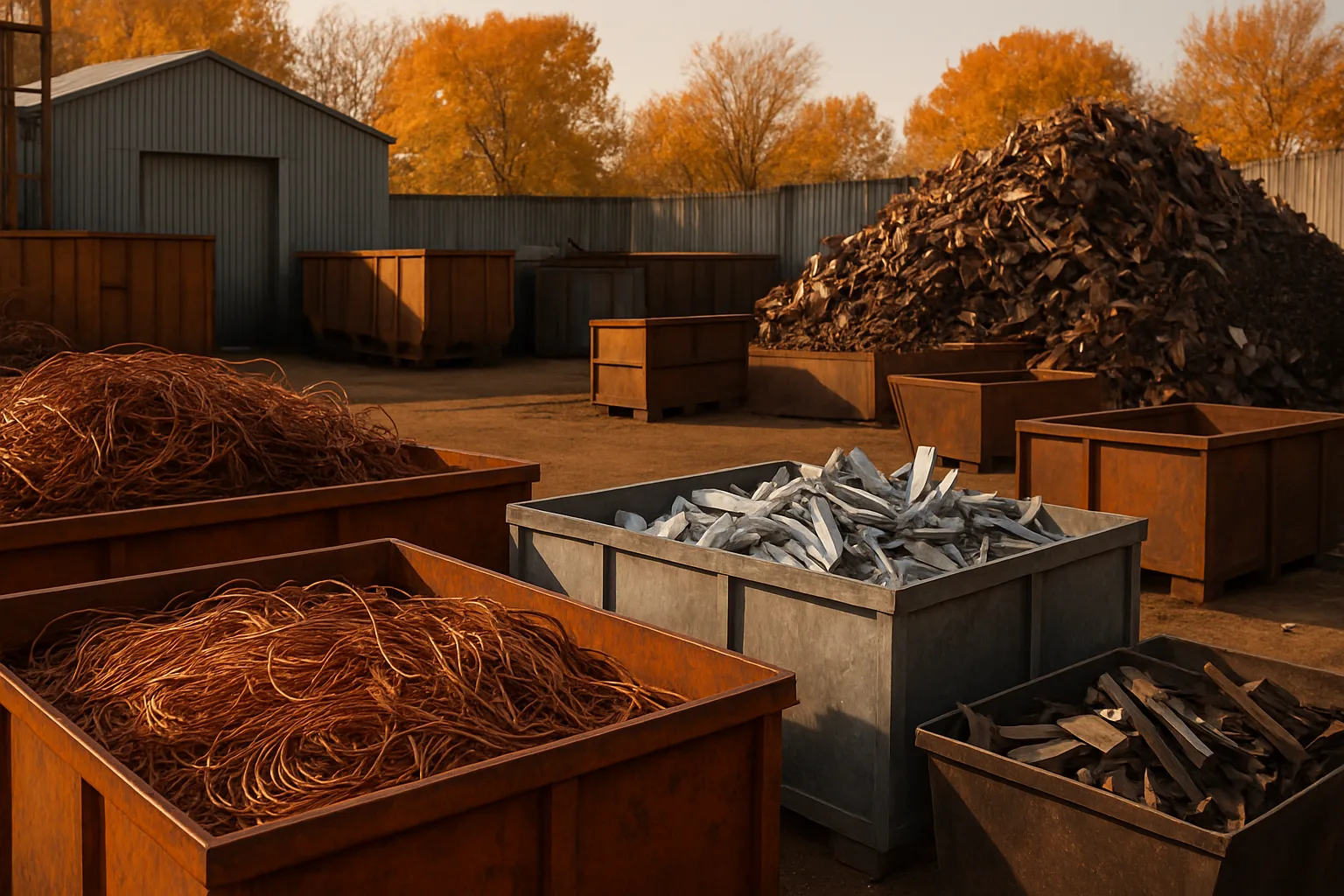
Steel vs. Iron Scrap: Why the Price Gap Matters More Than You Think
Most people toss steel and iron into the same mental bucket. They're both heavy, they're both ferrous, and they both end up at the yard. But if you're running a business and moving serious tonnage, treating them the same is costing you money. The price difference between scrap steel and cast iron isn't trivial — and in a B2B scrap metal marketplace, knowing which material you have can be the difference between a fair deal and leaving cash on the table.
This guide breaks down what separates steel from iron scrap, why mills and processors price them differently, and how sellers in Memphis and across Tennessee can position their loads to get better price discovery on every haul.
Steel and Iron Are Not the Same Material — Here's Why It Matters for Scrap Metal Prices
At the chemistry level, the difference comes down to carbon content. Cast iron typically contains 2–4% carbon, which makes it hard and brittle. Steel generally falls below 2% carbon, which gives it more flexibility and makes it easier to re-melt and reprocess into new product. That processability is exactly why mills tend to value scrap steel higher than cast iron in most market conditions.
Cast iron is also denser and heavier per unit volume than many steel forms, but weight alone doesn't drive price per pound. What drives price is what the receiving mill can actually do with the material. Steel scrap — whether it's #1 HMS (Heavy Melting Steel), #2 HMS, or shredded — feeds directly into electric arc furnaces. Cast iron requires different handling, different temperatures, and often goes to different buyers altogether. These aren't just technical footnotes. They shape every number on your packing list.
Common sources of each:
- Scrap steel: structural beams, I-beams, plate steel, pipe, car bodies, appliances, machine frames
- Cast iron: engine blocks, brake rotors, radiators, manhole covers, old stove bodies, plumbing fittings
How Mills Grade and Price Scrap Steel
Scrap steel pricing isn't one number. It's a tiered system based on grade, cleanliness, size, and preparation. The Institute of Scrap Recycling Industries (ISRI) publishes standard commodity specs that most North American mills and processors use as a reference point. Here's a rough framework for how steel grades typically stack up:
- #1 HMS (Heavy Melting Steel): Clean, unprepared steel at least ¼ inch thick. This is the premium grade. Old structural steel, heavy plate, and clean industrial scrap typically qualifies.
- #2 HMS: Thinner steel, more varied sourcing, potentially some light gauge. Still widely accepted but priced below #1.
- Shredded steel: Processed through a shredder, fines removed. Very mill-friendly. Pricing varies by region and mill demand.
- Busheling / punchings: Clean steel punchings and clippings from manufacturing. Often commands a premium due to cleanliness and consistency.
Contamination kills your grade. Steel mixed with non-ferrous metals, excessive paint coatings, attached rubber, or plastics will get downgraded — or rejected. If you're aggregating material from demolition sites or industrial cleanouts around Memphis, sort it before it hits the scale. A clean load grades higher. A higher grade pays more per ton. That's the math.
If you want to sell your scrap metal at top prices on Sell Scrap Metal, the prep work you do before the truck rolls matters as much as the market rate on the day you sell.
Cast Iron Scrap: Different Buyers, Different Price Drivers
Cast iron is a legitimate commodity — don't dismiss it. But it moves through different channels than steel. Foundries are the primary buyers, and foundry demand fluctuates independently of the electric arc furnace demand that drives steel scrap pricing. When foundry orders are strong, cast iron prices can close the gap with steel significantly. When they slow down, that spread widens.
What affects cast iron pricing specifically:
- Automotive sector demand: Engine blocks and brake rotors from auto recyclers are a major supply source. Automotive production levels affect how much cast iron is entering the market.
- Grade and cleanliness: Heavy cast iron with no attachments prices better than mixed or contaminated loads. Remove steel bolts, rubber gaskets, and aluminum components before presenting a load.
- Freight distance to foundry buyers: Unlike steel, which ships broadly, foundry-grade cast iron often needs to reach specific facilities. If you're in Tennessee, regional logistics matter.
In a traditional one-buyer setup, you call your local processor, they give you a cast iron price, and you take it or leave it. A B2B scrap metal marketplace flips that dynamic. Multiple vetted buyers competing for your load creates actual price discovery rather than guesswork. Platforms like SMASH are built specifically for that — letting you document your load, present it to qualified buyers, and let competition do the work.
Why the Steel-Iron Price Spread Fluctuates — and How to Time Your Loads
The price gap between steel and iron scrap isn't static. It moves based on mill utilization rates, foundry backlogs, scrap export demand, and raw material alternatives like pig iron and DRI (direct reduced iron). When mills run hot and scrap demand is high, the premium for quality steel grades widens. When foundries slow production, cast iron pricing softens relative to steel.
You can't control market cycles. But you can control when you move material. A few practical approaches:
- Don't accumulate iron indefinitely waiting for a "perfect" price. Storage costs money. Material can degrade. A timely sale at a competitive price beats a delayed sale at a slightly higher number.
- Track the HMS benchmark. Heavy Melting Steel pricing is widely reported and gives you a directional read on ferrous market conditions. When HMS moves up, most steel grades follow.
- Know your buyer pool. For cast iron specifically, your best price might come from a foundry buyer outside your immediate region. A marketplace model helps surface those buyers without you making 15 phone calls.
- Document everything. Weight tickets, grade descriptions, photos, and origin information all build buyer confidence. Confident buyers bid higher.
You can explore scrap metal selling guides to get a better handle on how documentation affects your outcomes — before your next load hits the scale.
Selling Scrap Steel and Iron in Memphis: What Local Sellers Should Know
Memphis sits at a natural logistics crossroads. Rail access, interstate connectivity, and proximity to the Mississippi River make it a viable origin point for ferrous loads moving to processors across the mid-South and beyond. That geographic advantage should show up in your pricing — but only if you're reaching buyers who value it.
Local processors in the Memphis area will offer market rates based on their own needs and margins. That's not a knock on them — it's just how single-buyer transactions work. The question is whether that single offer reflects the actual competitive market or just one buyer's number for that day.
For businesses moving volume — demolition contractors, industrial maintenance operations, auto recyclers, equipment dealers — the stakes are higher. A few dollars per ton difference on a 50-ton load is real money. If you're generating consistent ferrous scrap in Memphis, connecting to a B2B scrap metal marketplace gives you access to buyers beyond your zip code without adding logistics headaches. You can get competitive bids for your scrap metal and let the market tell you what your load is actually worth.
SMASH supports ferrous and non-ferrous loads — steel, cast iron, scrap copper, scrap aluminum, and yes, catalytic converter lots too. If you're running an auto recycling operation and generating mixed commodity streams, that matters. You don't need five platforms. You need one that handles the full range. You can also find Memphis scrap metal services specifically tailored to what local yards and businesses need.
How a B2B Scrap Metal Marketplace Changes the Math for Ferrous Sellers
The old workflow: call one buyer, get one price, decide yes or no. If you don't know the market, that's a coin flip. The SMASH approach: list your load with photos, weight, and grade documentation. Vetted buyers see it. They bid. You see the competition in real time. The highest qualified bid wins.
That's not a guarantee of a higher price on every load — markets fluctuate, and no platform can promise that. What it does guarantee is that you're not flying blind. More buyers means better price discovery. Documented inventory gives buyers more confidence, and confident buyers bid accordingly.
SMASH also handles auto-invoicing and load documentation, which matters for B2B sellers dealing with BOLs and packing lists across multiple transactions. No subscription fees. The model only works if the seller wins — which is exactly the incentive alignment that the old one-call system never had.
Whether you're moving HMS steel from a demolition site, cast iron engine blocks from an auto yard, or mixed ferrous from a manufacturing plant, get a fair price for your scrap today by letting competitive bidding replace the guessing game.
Frequently Asked Questions
Q: How do I tell the difference between scrap steel and cast iron at the yard?
The easiest field test is a grinder — cast iron produces a dull red spark with little branching, while steel produces bright, branching sparks. Cast iron also fractures rather than bends, and feels noticeably heavier for its size. When in doubt, a magnet won't help (both are ferrous), but a quick grind test will.
Q: Does cast iron always price lower than scrap steel?
Not always. In strong foundry demand periods, clean heavy cast iron can compete closely with #2 HMS. But in most market conditions, #1 HMS prices above cast iron because it's more versatile for electric arc furnace steelmaking. Track both independently rather than assuming one always leads the other.
Q: What's the best way to sell scrap metal in Memphis as a business?
If you're moving consistent volume, a B2B scrap metal marketplace gives you access to more buyers than a single local processor relationship. Document your loads properly — weights, grades, photos — and let buyers compete. For local logistics and service, check out the Memphis scrap metal services page for options specific to your area.
Q: Does SMASH handle ferrous scrap like steel and iron, or only non-ferrous?
SMASH handles both. The platform supports ferrous loads including HMS steel and cast iron, as well as non-ferrous commodities like scrap copper, scrap aluminum, and catalytic converter lots. If you're running a mixed operation, you can manage multiple commodity streams through the same marketplace.
Q: How often do scrap steel and iron prices change?
Ferrous scrap prices typically update monthly in the North American market, driven by mill buying cycles. However, spot prices can move more frequently based on export demand, energy costs, and raw material substitutes. Always check current rates before committing a load — posted prices can shift between when you aggregate material and when you actually sell.
Price disclaimer: Scrap metal prices fluctuate based on market conditions, regional demand, material grade, and buyer competition. All price references in this article are general in nature. Always verify current rates before selling.
If you're sitting on steel or iron scrap and want to know what it's actually worth today, the best move is simple — get it in front of buyers who are ready to bid. Sell your scrap metal at top prices by requesting a pickup at sell-scrapmetal.com. Let competition replace the guessing.
Follow SMASH on LinkedIn for scrap metal market updates, industry insights, and tips on getting the most out of every load you sell.