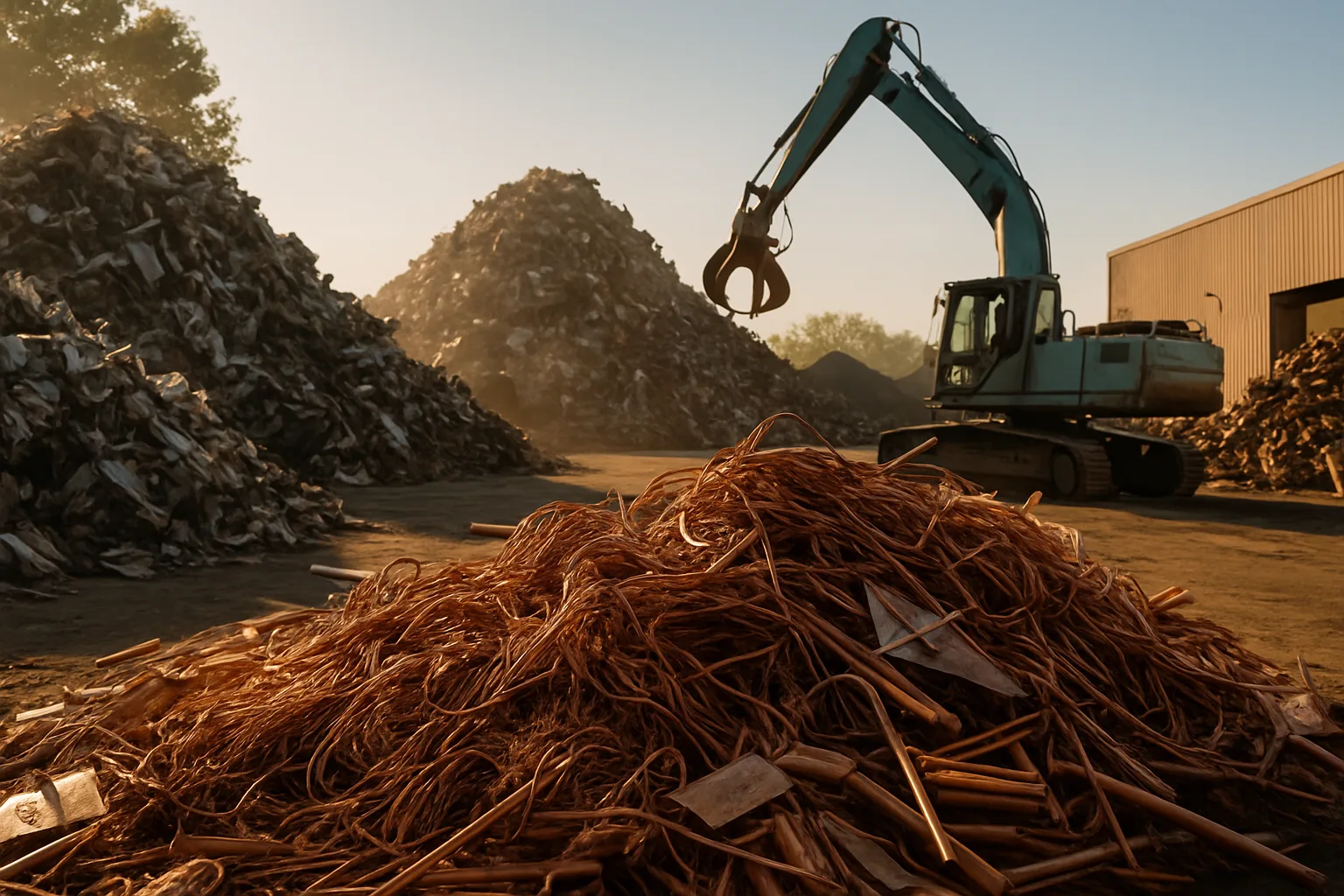
Why Environmental Regulations Now Directly Affect What You Get Paid for Scrap Metal
Most people selling scrap metal think about one thing: the price. But in 2026, the rules around how scrap gets recycled are shaping what buyers will pay — and what they'll accept. If you're sitting on a pile of copper wire, old catalytic converters, or mixed aluminum in Cleveland, understanding the environmental side of this business isn't just good citizenship. It's good strategy.
Copper scrap prices Cleveland yards post today reflect more than just commodity spot rates. Compliance costs, documentation requirements, and buyer-side environmental audits all feed into what ends up in your pocket. The more you know, the better you can position your material — and the fewer surprises you'll hit when you show up to sell.
The Regulatory Framework Governing Scrap Metal Recycling in Ohio
Scrap metal recycling in the United States operates under a layered system of federal, state, and local regulations. At the federal level, the EPA sets baseline standards for handling hazardous materials — things like refrigerants, battery acid, and fluids found in end-of-life vehicles. Ohio adds its own layer through the Ohio EPA, which monitors processors for air emissions, stormwater runoff, and soil contamination standards.
In practical terms, this means that recycling yards operating in and around Cleveland face real compliance costs. Stormwater management systems, fluid containment infrastructure, certified equipment for processing certain materials — these aren't optional. They're operating costs that legitimate buyers build into their pricing models. A yard cutting corners on compliance is a yard that either can't buy certain materials or eventually shuts down.
Key regulatory areas that affect scrap metal sellers and buyers in Ohio include:
- Ohio EPA air quality permits — required for yards that shred, torch-cut, or process metals in ways that generate emissions
- Stormwater National Pollutant Discharge Elimination System (NPDES) permits — mandatory for outdoor storage of scrap where runoff could reach waterways
- Solid and hazardous waste rules — govern how certain contaminants found in scrap loads must be managed or disposed of
- Ohio scrap dealer licensing — most counties, including Cuyahoga County where Cleveland sits, require licensed dealers to maintain transaction records and verify seller identity
Understanding these rules helps you identify whether you're dealing with a compliant, legitimate buyer — or someone operating in a gray zone that could create problems down the road.
How Environmental Compliance Affects Copper Scrap Prices and Material Value
Here's the direct connection most sellers miss. When a buyer quotes you on scrap copper — whether it's bare bright wire, #1 copper, or copper-bearing motors — they're working backward from what a processor or mill will pay them. That mill price factors in the quality and cleanliness of the material, current commodity rates, and the cost of handling material that may have environmental strings attached.
Contaminated loads cost buyers money. A batch of copper wire coated in oil, mixed with PVC jacketing that wasn't stripped, or bundled with materials that contain regulated substances gets discounted — sometimes significantly. This isn't arbitrary. Processing those loads generates more waste, triggers more compliance steps, and can reduce the yield of clean metal at the end of the chain.
If you want the top end of copper scrap prices in Cleveland, deliver clean, sorted material. Strip your wire where practical. Separate your copper grades. Keep non-ferrous material away from ferrous contamination. Documented, organized inventory gives buyers confidence — and confident buyers bid higher. Platforms like North America's B2B scrap metal auction platform have built documentation tools specifically to capture this kind of material detail, because it translates directly to better price discovery.
Catalytic Converters: The Most Regulated Scrap Category Right Now
If you're selling catalytic converters in 2026, you're operating in the most scrutinized corner of the scrap market. Federal and state crackdowns on catalytic converter theft have resulted in strict documentation requirements that now apply to legitimate sellers too. In Ohio, sellers are typically required to provide proof of vehicle ownership or dismantler documentation for every converter transaction.
This isn't bureaucratic friction for its own sake. Catalytic converters contain platinum group metals — platinum, palladium, and rhodium — which makes them high-value and high-theft-risk. The regulatory response has been to require serial number tracking, photo documentation, and verified seller identity for every transaction. For a licensed auto dismantler or recycling operation in Cleveland, this means your paperwork game needs to be tight.
Platforms built for the B2B scrap metal marketplace — like SMASH — support serial tracking and photo documentation as standard features. That's not a coincidence. It's a response to real market pressure. Buyers in the converter space pay more for properly documented inventory because it reduces their regulatory exposure and confirms the provenance of the material.
What sellers should keep ready for converter transactions:
- Vehicle title or bill of sale
- Dismantler license (if applicable)
- Serial numbers or photos of converter units
- Business registration if selling as a commercial entity
Scrap Metal Theft Laws and What They Mean for Legitimate Sellers in Cleveland
Ohio's scrap metal theft laws tightened considerably in the early 2020s, and those changes are fully in effect in 2026. For sellers in Cleveland and across the state, the practical impact is a more rigorous verification process at the point of sale. Dealers are required to record seller identification, take photos of material in some categories, hold payment for certain transactions, and report records to law enforcement databases.
If you're a homeowner cleaning out copper plumbing after a renovation, a contractor scrapping leftover steel, or a shop moving aluminum extrusions — you need valid ID and should expect the dealer to log the transaction. This is normal. It protects legitimate sellers as much as it deters theft, because a clean paper trail confirms your material is above board.
For businesses moving larger volumes, the documentation burden is heavier but the upside is real. Documented inventory — with weights, grades, photos, and chain of custody — is what separates a speculative bid from a confident one. When you sell your scrap metal at top prices on Sell Scrap Metal, the documentation you bring to the transaction directly supports the price you can negotiate.
Practical Steps to Maximize Your Return While Staying Compliant
Compliance and profit aren't in conflict. In fact, the sellers getting the best prices are almost always the ones running the cleanest operations. Here's how to position your scrap for both regulatory approval and top-of-market pricing in Cleveland or anywhere in Ohio.
1. Sort your material before you sell. Mixed loads get discounted. Separate copper from aluminum, ferrous from non-ferrous, and clean from contaminated. The extra hour of sorting work can add up meaningfully on a per-pound basis.
2. Document your inventory. Weigh your loads. Photograph your material. Note grades and conditions. If you're selling through a B2B scrap metal marketplace, upload this information before buyers see your listing — more detail drives more competitive bids.
3. Know your material grades. Scrap copper alone has multiple grades — bare bright, #1, #2, insulated wire, copper-bearing. Each prices differently. Misrepresenting or misidentifying your material wastes everyone's time and can create disputes. Know what you have before you sell.
4. Use vetted buyers. Not every buyer offering cash for scrap is operating legally or paying fair market rates. Working through a platform like SMASH — where buyers are vetted and the auction format creates real competition — eliminates a lot of the guesswork. More buyers means better price discovery. That's not a tagline; it's how markets work.
5. Check current prices before you commit. Copper scrap prices, scrap aluminum, and scrap steel prices all move with commodity markets. What was accurate last week may not be accurate today. Use current rates as a reference, not a guarantee — and always verify before you sell.
For hands-on guidance specific to your situation, Cleveland scrap metal services can connect you with local buyers who understand Ohio's regulatory environment and pay accordingly.
Whether you're a first-time seller or running a commercial recycling operation, the difference between a mediocre offer and a strong one often comes down to how well you've prepared your material and your paperwork. When you're ready to move your metal, explore scrap metal selling guides for detailed how-to content that covers everything from copper grades to catalytic converter documentation.
When the time comes to move your material, don't settle for a single phone call and a guess. Get a fair price for your scrap today by putting your inventory in front of competitive buyers who know what clean, documented metal is worth.
Note: Scrap metal prices fluctuate daily based on commodity markets, grade, and regional demand. Always verify current rates before committing to a sale.
Frequently Asked Questions
Q: How do environmental regulations affect copper scrap prices in Cleveland?
Ohio EPA compliance requirements add real operating costs to scrap processors and buyers. Those costs feed into the prices offered to sellers — which is why clean, well-documented material consistently commands better rates. Compliant yards also carry more buyer confidence, which helps sustain competitive pricing in the local market.
Q: What paperwork do I need to sell scrap metal in Cleveland?
At minimum, you'll need a valid government-issued photo ID. For catalytic converters, you'll also need proof of vehicle ownership or dismantler documentation. Commercial sellers should have their business registration available. Ohio law requires dealers to record all transactions, so expect to be logged regardless of material type.
Q: Are scrap metal prices in Cleveland different from national market rates?
Local scrap metal prices in Cleveland track national commodity benchmarks but vary based on regional supply, processing capacity, and buyer competition in the area. Transportation costs, local compliance overhead, and the specific grades available in the market all create some difference from national averages. Checking with multiple local buyers — or using an auction platform — gives you a clearer picture of what your material is actually worth in the Cleveland market.
Q: Can I sell scrap metal for cash in Ohio?
Ohio law restricts or limits cash payments for certain scrap transactions, particularly for regulated materials like catalytic converters. Many dealers now pay by check or electronic transfer for larger transactions or specific material categories. Check with your buyer in advance about payment methods so there are no surprises at the scale.
Q: What is the best way to get a competitive price for copper scrap in Cleveland?
Sort your material by grade, document it thoroughly, and don't rely on a single buyer's quote. Getting multiple offers — whether by calling several yards or listing through a B2B scrap metal marketplace like SMASH — creates real competition that can help reveal the market rate for your specific material. Prepared, documented loads consistently attract stronger bids than unsorted, undocumented ones.
Ready to move your metal? Sell your scrap at top prices and request a pickup at sell-scrapmetal.com — no guesswork, no single-buyer pricing, just competitive offers on documented inventory.
Stay current on scrap metal market trends and pricing insights by following SMASH on LinkedIn — real industry updates, no filler.