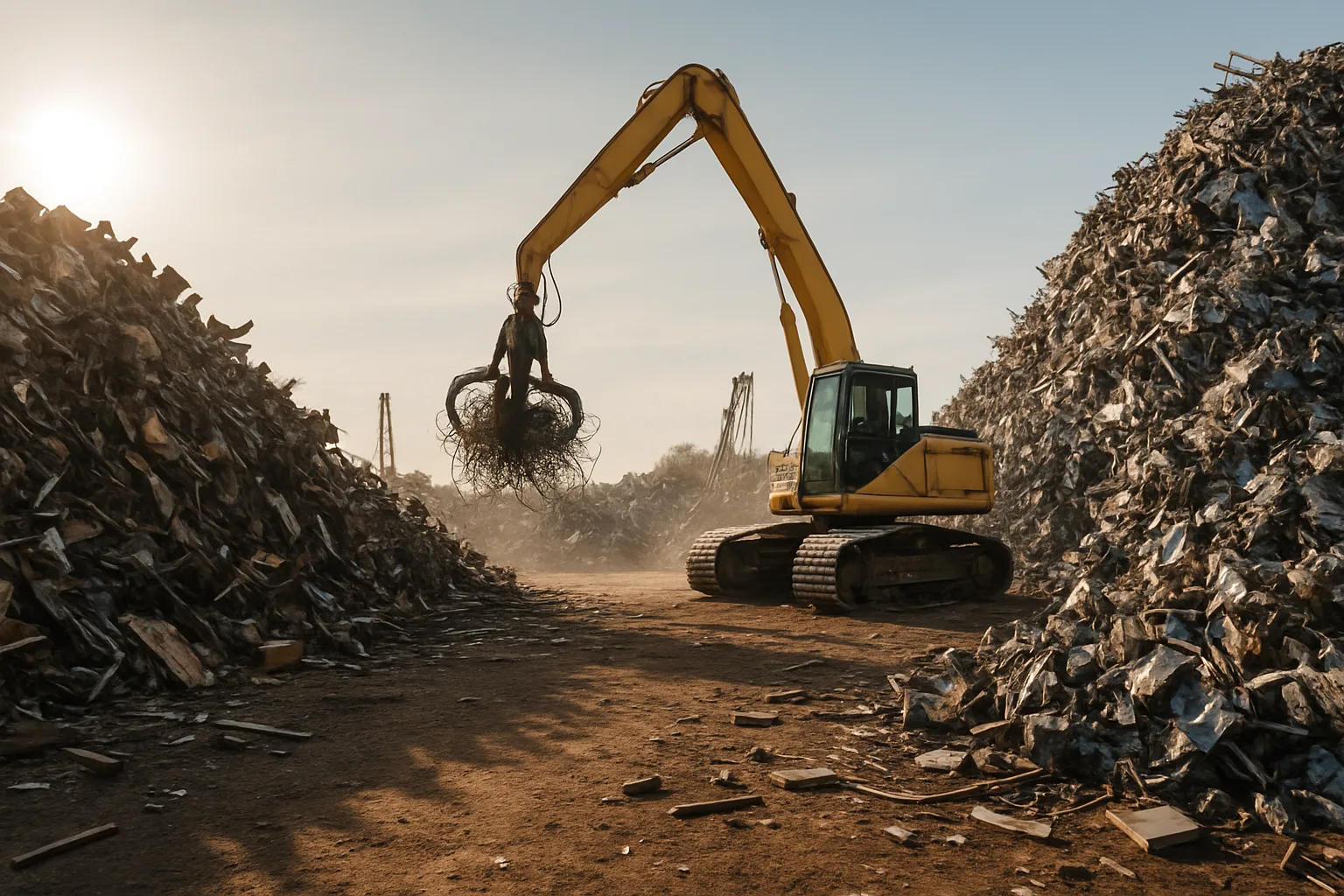
Most sellers walk into a scrap yard thinking metal is metal. It isn't. The difference between ferrous and non-ferrous scrap metals can mean the difference between pocket change and a real payday — especially if you're sitting on copper, aluminum, or catalytic converters and don't know what you actually have.
If you're doing scrap metal recycling in Pittsburgh, understanding this distinction is one of the most practical things you can do before you load up the truck. This isn't theory. It directly affects what you get paid.
Ferrous vs. Non-Ferrous: The Core Difference
Ferrous metals contain iron. Non-ferrous metals don't. That's the short version. But the implications for pricing, demand, and how you should sort your material go a lot deeper than that.
Ferrous metals include:
- Steel (structural, sheet, rebar)
- Cast iron (engine blocks, radiators, cookware)
- Wrought iron
- Stainless steel (technically ferrous, but contains nickel and chromium — prices vary)
Non-ferrous metals include:
- Copper (wire, pipe, motors)
- Aluminum (wheels, siding, cans, extrusions)
- Brass (fittings, fixtures, shells)
- Bronze
- Lead
- Nickel
- Precious metals (from catalytic converters — platinum, palladium, rhodium)
The quickest field test: grab a magnet. If it sticks, you've got a ferrous metal. If it doesn't, you're likely holding something worth significantly more per pound. That magnet test isn't foolproof — stainless doesn't always stick cleanly — but it gives you a fast starting point at the yard.
Why Non-Ferrous Scrap Metals Pay More
This is where a lot of sellers leave money on the table. Ferrous scrap moves in massive volumes — it's the backbone of steel mills and foundries — but the per-pound price is relatively low. You're typically looking at fractions of a cent to a few cents per pound for common steel and iron. Non-ferrous is a different market entirely.
Scrap copper prices in Pittsburgh can run anywhere from $2 to $4+ per pound depending on grade and market conditions. Aluminum wheels, clean cast, and extrusions all command meaningful premiums over steel. And catalytic converters? The platinum group metals inside a single cat can be worth anywhere from $50 to several hundred dollars depending on the vehicle and PGM content — though prices fluctuate constantly based on commodity markets.
The takeaway is simple: volume matters for ferrous, but grade and identification matter for non-ferrous. If you're hauling a mix and the yard doesn't know what they're looking at — or you don't — you risk getting blended pricing that doesn't reflect what your best material is actually worth.
Platforms like find the best price for your scrap on SMASH are built specifically to address this gap. When buyers compete for your load and your material is properly documented by grade, you get price discovery instead of a take-it-or-leave-it number from a single yard.
How Pittsburgh Sellers Are Sorting Smarter — A Real-World Look
Consider a common scenario in the Pittsburgh area: a contractor finishes a commercial demolition job and walks away with a mixed pile — structural steel beams, copper plumbing, aluminum HVAC duct, and a handful of catalytic converters pulled from vehicles on the property. Treated as one load, that's a mess. Sorted correctly, it's four distinct revenue streams.
The steel goes by weight, priced as ferrous. The copper gets graded — is it bare bright, #1, or #2? Is there any insulated wire in the mix that needs to be separated? The aluminum gets sorted between cast, extrusions, and painted or contaminated pieces. And the cats get identified by make, model, and serial number before anyone quotes a price.
That last step matters more than most people realize. A catalytic converter buyer who can see VIN data, photos, and serial numbers will price with confidence. One who's guessing won't. The difference shows up in the offer you receive.
This is exactly the kind of documentation that SMASH supports — photo uploads, serial tracking, and inventory tools that give buyers the information they need to bid competitively. When you sell your scrap metal at top prices on Sell Scrap Metal, that documentation is built into the process, not an afterthought.
Identifying Your Material Before You Go to the Yard
Walking in with sorted, identified material gives you negotiating ground. Walking in with a mixed pile hands control to the buyer. Here's a practical breakdown of how to approach identification before you load up.
For Copper
- Bare bright: Clean, uncoated, unalloyed copper wire — the highest grade
- #1 copper: Clean copper pipe and wire, no solder, no fittings
- #2 copper: Slightly oxidized, painted, or with minor attachments
- Insulated wire: Priced by copper recovery percentage — keep it separate
For Aluminum
- Clean cast aluminum (engine parts, gear housings)
- Aluminum extrusions (clean, unpainted)
- Aluminum wheels — clean vs. with tire attached affects price
- Sheet aluminum — painted or coated grades pay less
For Catalytic Converters
- Never cut open a cat — it destroys recoverable PGM value
- Document the serial number and vehicle make/model where possible
- Aftermarket cats pay significantly less than OEM units
- Foiled or hollow units are flagged immediately by experienced buyers
Pennsylvania has regulations around catalytic converter sales — documentation requirements exist to combat theft. Know the rules before you sell. A legitimate buyer will ask for documentation. If they don't, that's a red flag.
The Best Scrap Metal Prices in Pennsylvania Come From Competition, Not Luck
Here's the uncomfortable truth about how most scrap gets sold: one call, one price, one buyer. That's not a market — that's a guess dressed up as a quote. You have no idea whether the number you received reflects what your material is actually worth on a given day.
The best scrap metal prices in Pennsylvania — whether you're in Pittsburgh, Erie, or anywhere in between — come from creating competition for your load. When multiple vetted buyers see the same documented inventory and have to outbid each other, price discovery happens. That's a real market working in your favor.
This is the core mechanic behind how SMASH operates. No subscription. No guesswork. You list your material, buyers compete, and you see what the market will actually pay. Get a fair price for your scrap today by putting your load in front of multiple buyers instead of just one.
For Pittsburgh yards and contractors dealing with regular volumes of non-ferrous material, this isn't a minor efficiency gain. Repeated over dozens of loads across a year, the difference compounds into real dollars.
Selling Scrap Metal Online: What the Process Actually Looks Like
The idea of selling scrap metal online still feels foreign to some operators who've been doing this for decades on handshakes and cold calls. But the process is more straightforward than it sounds — and the documentation habits you build pay off in faster transactions and better offers.
When you sell scrap metal online through a platform built for this industry, the workflow looks like this:
- Inventory your material — by metal type, grade, and estimated weight
- Document it — photos, serial numbers for cats, VIN data if applicable
- List it — the platform presents your load to vetted buyers
- Receive bids — competitive offers, not a single take-it-or-leave-it number
- Accept and close — auto-invoicing handles the paperwork
Compare that to the old way: call one buyer, accept whatever number they give you, write up your own BOL, argue about weight at the scale. The difference in time and price clarity is significant.
If you're ready to move your material and want to understand your options, Pittsburgh scrap metal services are available to connect you with the right buyers for your load type. Whether you're clearing ferrous from a job site or moving a collection of non-ferrous mixed material, the process starts with knowing what you have.
You can also explore scrap metal selling guides to get up to speed on grading, pricing, and how to prepare your loads before you list.
Frequently Asked Questions
Q: How do I tell if my scrap metal is ferrous or non-ferrous?
Use a magnet. Ferrous metals — steel, iron — will attract a magnet. Non-ferrous metals like copper, aluminum, and brass won't. Stainless steel is a partial exception; some grades are only weakly magnetic. When in doubt, ask the yard to identify it before pricing.
Q: What non-ferrous metals are worth the most for scrap metal recycling in Pittsburgh?
Copper consistently commands the highest price per pound among common non-ferrous metals. Catalytic converters can generate significant returns depending on vehicle make and PGM content. Aluminum and brass also pay well above ferrous rates. Prices fluctuate with commodity markets — always check current rates before hauling.
Q: Do I need documentation to sell catalytic converters in Pennsylvania?
Yes. Pennsylvania, like many states, has implemented documentation requirements for catalytic converter sales to combat theft and trafficking. Expect to provide proof of ownership or lawful possession, along with personal identification. A legitimate buyer will always ask. If they don't, walk away.
Q: Can I sell scrap metal online from Pittsburgh?
Absolutely. Platforms built for the scrap industry let you list your material, upload photos and documentation, and receive competitive bids from vetted buyers without being locked into a single local yard's pricing. It's particularly useful for non-ferrous loads and catalytic converters where price varies significantly by buyer.
Q: Does sorting my scrap metal before selling actually make a difference in price?
Yes — significantly. Mixed or contaminated loads get priced at the lowest grade in the pile. Sorted, properly graded material gets priced on its actual value. Separating your copper from your aluminum, and your bare bright from your #2, can meaningfully increase your return per load.
Disclaimer: Scrap metal prices fluctuate daily based on commodity markets, grade, and buyer demand. Always verify current rates before selling. The price ranges referenced in this article are general estimates and do not represent guaranteed offers.
If you've got ferrous from a job site or a collection of non-ferrous material you've been sitting on, don't guess at what it's worth. Sort it, document it, and put it in front of buyers who compete for it. When you're ready, sell your scrap metal at top prices — request a pickup at sell-scrapmetal.com and let the market work for you instead of against you.
Follow SMASH on LinkedIn for scrap metal market updates, industry news, and practical tips that help you sell smarter.