Fort Lauderdale Is Building Fast — And Every Job Site Leaves Scrap Behind
Drive through Broward County right now and you'll see cranes, excavators, and dumpsters on nearly every block. Fort Lauderdale's construction boom isn't slowing down in 2026. New mixed-use developments, infrastructure upgrades, and commercial demolitions are generating thousands of tons of recoverable metal — and most of it is walking out the door for less than it's worth. If you manage a job site, own a demolition company, or haul debris for a living, there's real money sitting in that scrap pile. The question is whether you're capturing it.
This week's market recap breaks down exactly how construction and demolition sites generate scrap metal, what metals are most valuable right now, and how to stop leaving money on the ground. If you're looking to sell scrap metal in Fort Lauderdale, the opportunity is bigger than most people realize.
What Construction and Demolition Sites Actually Produce
Not all job site scrap is the same. A new-build residential project and a commercial teardown generate completely different material streams. Knowing what you have — and how to separate it — is the first step toward getting paid properly for it.
Here's what comes off typical C&D sites in South Florida:
- Scrap copper: Electrical wiring, plumbing pipe, HVAC coils, and grounding cable. Copper is consistently one of the highest-value metals per pound. Even small amounts add up fast on large renovation jobs.
- Scrap aluminum: Window frames, door frames, roofing trim, conduit, and structural extrusions. Florida's hurricane-resistant building codes mean heavy aluminum profiles are standard — and there's a lot of it on demo jobs.
- Scrap steel: Rebar, structural beams, metal studs, HVAC ductwork, and steel decking. Heavy and lower value per pound, but volume makes it worthwhile.
- Stainless steel: Commercial kitchen equipment on restaurant demolitions, industrial piping, and architectural cladding.
- Cast iron: Older plumbing from pre-1980s building teardowns — common in Fort Lauderdale's urban core renovation projects.
- Catalytic converters: If your crew is scrapping out vehicles, equipment, or old generators on-site, cats are valuable. Work with a reputable catalytic converter buyer who documents serial numbers and provides clean paperwork.
The metals that generate the most revenue aren't always the ones in the biggest pile. A single commercial electrical teardown might yield hundreds of pounds of bare bright copper wire. That's a significant check — if it's being sold to a buyer who's actually competing for your load.
Why Job Site Scrap Often Gets Undervalued — And How to Fix It
Here's the real problem. Most contractors and demo crews have one buyer. One yard. One phone call. They've been doing business with the same contact for years, and they assume the price they're getting is fair. Sometimes it is. Often it isn't.
Single-buyer relationships kill price discovery. When only one buyer knows what you have, there's no competition. No competition means no pressure to offer you market rate. The buyer knows you're not shopping the load, and the price reflects that. This isn't a conspiracy — it's just how any market works when the seller has no leverage.
The fix is simple in theory: get more buyers looking at your material. In practice, that used to mean hours of phone calls, inconsistent quotes, and no way to verify who was actually offering fair market value. That's changed. Platforms like get competitive bids for your scrap metal from vetted buyers — meaning your load gets in front of multiple buyers simultaneously, and the price reflects actual market demand, not one yard's margin target.
For a Fort Lauderdale contractor moving regular volume — say, one or two loads of mixed non-ferrous per month — the difference between a single-buyer relationship and a competitive auction format can be substantial over the course of a year. You're not guessing what your copper is worth. You're seeing it.
Scrap Metal Prices Today: What's Moving in 2026
Scrap metal prices today are being shaped by a handful of overlapping forces. Global steel demand, U.S. infrastructure spending, aluminum supply chain dynamics, and recycled copper demand from the EV and renewable energy sectors are all influencing what yards will pay right now.
A few general observations for the current market:
- Copper remains strong. Clean copper wire and bare bright consistently command top pricing. Insulated wire pays less — stripping it adds value but costs labor. Know your math before you decide.
- Aluminum scrap price today varies significantly by grade. Clean extrusions pay more than mixed aluminum or painted frames. If you're pulling window frames in bulk on a Fort Lauderdale renovation, separate them from painted or contaminated material.
- Steel is a volume play. Rebar and structural steel pricing has been influenced by domestic mill capacity and import tariff policy. It's not a high-margin metal per pound, but a full load of clean rebar from a concrete pour job adds up.
- Catalytic converters require documentation in Florida and most U.S. states. Proper serial tracking and photo documentation protect you legally and make it easier to work with legitimate buyers who pay real prices.
Disclaimer: Scrap metal prices fluctuate daily based on market conditions. The observations above reflect general 2026 market dynamics. Always check current rates before scheduling a load.
If you want a benchmark before you sell, sell your scrap metal at top prices on Sell Scrap Metal — you'll see what the market is actually offering, not what one buyer decides to post on a whiteboard.
How to Manage Scrap Metal Efficiently on a Job Site
Organization isn't glamorous, but it pays. The difference between a sorted load and a mixed pile isn't just about cleanliness — it's directly reflected in what a buyer will pay. Contaminated or mixed loads always get discounted. Here's how high-volume sites in Florida handle it:
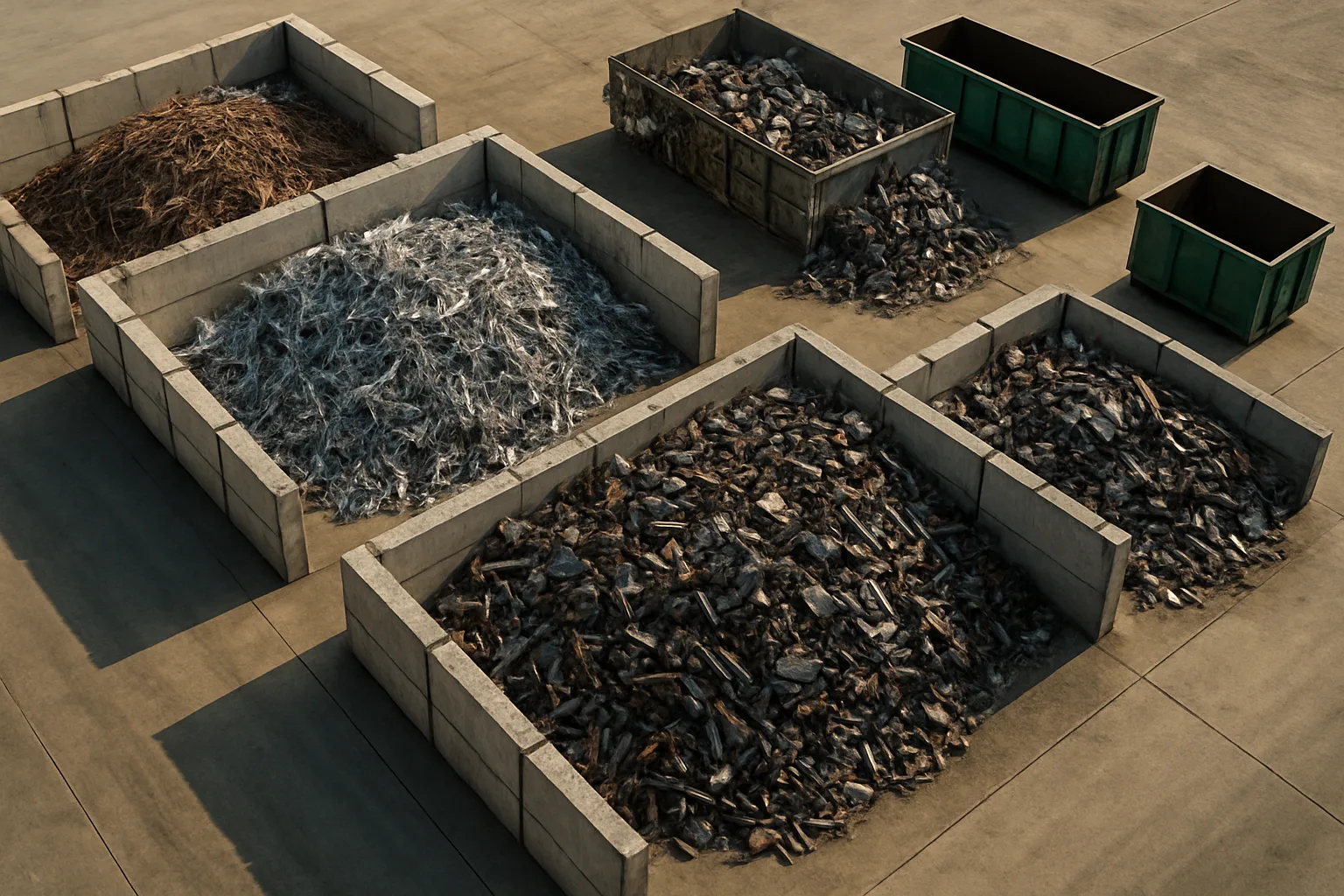
- Designate separate containers by metal type. One bin for copper, one for aluminum, one for steel. Even basic separation dramatically improves what you'll get paid per pound on non-ferrous material.
- Strip wire on-site if labor costs allow. Bare bright copper commands a significantly higher price than insulated wire. Run the numbers — sometimes it's worth it, sometimes it isn't.
- Document everything before it leaves the site. Photos of loads, weights, and material grades protect you in disputes and make it easier to use auction-based platforms that require proper inventory documentation.
- Schedule pickups before loads sit too long. Scrap sitting in South Florida heat and humidity can degrade. Aluminum oxide buildup on bare material or contamination from rain and debris affects grade.
- Work with buyers who provide BOLs and packing lists. A proper bill of lading and itemized packing list isn't just paperwork — it's your record of what left your site and what you were paid for it.
If you're running multiple active jobs across Broward County, finding scrap metal pickup near me that can handle job site volume — not just residential drop-offs — matters. You need a buyer or platform that can actually move the material when your timeline requires it.
SMASH and the Competitive Bidding Difference for Contractors
SMASH is built for exactly this scenario. Not the homeowner with a few copper pipes. The contractor, the demo crew, the property management company sitting on a recurring stream of non-ferrous material who's tired of not knowing if they're getting a fair price.
The platform connects sellers with vetted buyers through a competitive auction format. You document your load — metal type, grade, weight estimate, photos — and buyers compete for it. No subscription fees. No upfront costs. SMASH only makes money when you make a sale. That alignment matters.
For construction and demolition operators in Fort Lauderdale, this is particularly relevant. South Florida has a dense buyer ecosystem, but not all of those buyers are offering the same price — and without competition, you have no way to know who's actually at market. Explore scrap metal selling guides to understand how to prepare your material and get the most from every load.
The inventory tool handles serial tracking for catalytic converters, photo documentation for mixed loads, and auto-invoicing once a sale closes. The paperwork that usually falls through the cracks on a busy job site gets handled systematically. That's not a feature list — that's the difference between a compliant, documented sale and one that creates headaches later.
Fort Lauderdale's Construction Pipeline Isn't Slowing Down
Broward County's development activity in 2026 continues to generate consistent scrap metal volume. Transit-oriented development along the Tri-Rail corridor, coastal commercial redevelopment, and aging residential stock being replaced with new mid-rise construction all point to sustained material flow. Florida's building activity means the opportunity to sell scrap metal in Fort Lauderdale isn't a one-time thing — it's a recurring revenue stream if you manage it properly.
The yards and contractors making the most money on their scrap aren't necessarily the ones with the most material. They're the ones with the most organized material, the best documentation, and the discipline to compete their loads instead of defaulting to one buyer. If you're ready to stop guessing what your metal is worth, get a fair price for your scrap today and see what a competitive market actually looks like.
Ready to stop leaving money on the job site? Sell your scrap metal at top prices — request a pickup at sell-scrapmetal.com and find out what your next load is actually worth.
Frequently Asked Questions
Q: What types of scrap metal are most common on Fort Lauderdale construction sites?
Copper wiring and plumbing, aluminum window and door frames, steel rebar, and HVAC components are the most common metals generated on Fort Lauderdale job sites. Demolition projects in the city's urban core often also yield cast iron pipe from older buildings. Non-ferrous metals like copper and aluminum command the highest prices per pound.
Q: How do I find scrap metal pickup near me in Fort Lauderdale?
Look for buyers or platforms that specifically handle job site volume — not just residential drop-offs. SMASH connects contractors with vetted buyers who can handle commercial loads and provide proper documentation including bills of lading and packing lists. Having your material sorted and documented speeds up the pickup process significantly.
Q: What is the aluminum scrap price today for construction material?
Aluminum scrap pricing varies by grade and changes daily based on commodity markets. Clean extrusions and uncoated aluminum frames pay more than painted or mixed material. Always check current market rates before scheduling a sale — prices posted weeks ago may not reflect what buyers are actually paying today.
Q: Do I need special documentation to sell catalytic converters from demolition equipment in Florida?
Yes. Florida, like most U.S. states, requires documentation for catalytic converter sales — including serial numbers, photos, and seller identification. Working with a platform that includes serial tracking and photo documentation protects you legally and makes it easier to sell to legitimate buyers who pay fair market prices. Never sell cats without a paper trail.
Q: How does a scrap metal auction platform help contractors get better prices?
Auction platforms create competition among multiple vetted buyers for your specific load. Instead of accepting whatever one yard quotes you, buyers compete and the price reflects actual market demand. More buyers means better price discovery — especially for high-value non-ferrous loads like copper or clean aluminum that multiple buyers actively want.
Stay current on scrap metal market trends and industry insights — follow SMASH on LinkedIn for weekly updates that help you sell smarter.