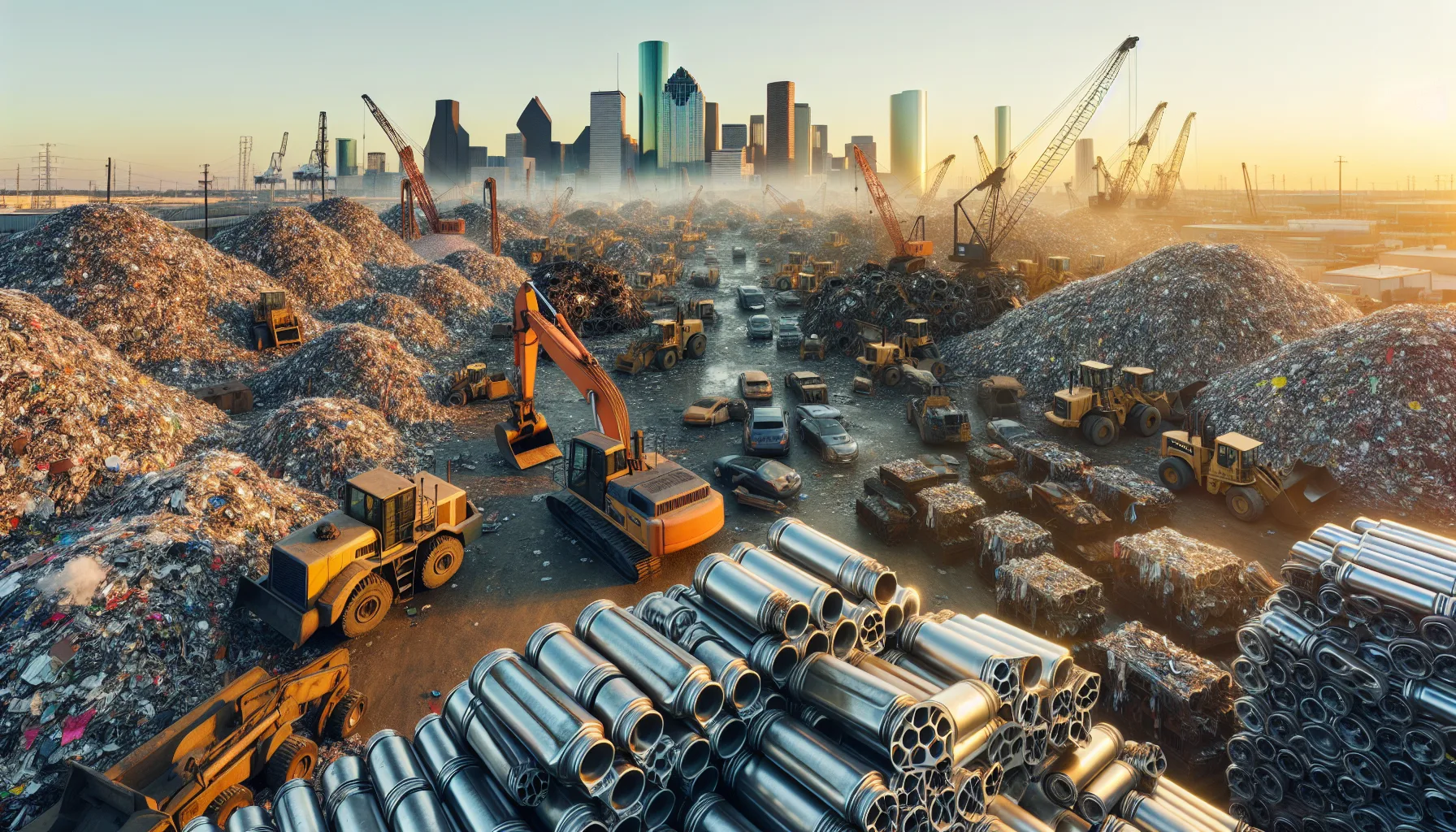
Understanding Catalytic Converter Recycling and Market Dynamics in 2026
Catalytic converter recycling has become one of the most lucrative segments in the scrap metal market, particularly as scrap metal auction platforms revolutionize how sellers connect with buyers. These automotive components contain precious metals that command premium prices, but understanding why values fluctuate requires insight into both the recycling process and market forces shaping prices in 2026.
The catalytic converter recycling industry operates on complex supply chains where precious metal content, current market demand, and processing capabilities all influence final payouts. For sellers in Houston and across Texas, knowing how this process works helps maximize returns when it's time to sell your scrap metal at top prices on Sell Scrap Metal.
Modern recycling facilities use sophisticated techniques to extract platinum, palladium, and rhodium from catalytic converters. These precious metals drive the high values associated with catalytic converter scrap, but their market prices shift daily based on global economic conditions, automotive production demands, and mining output.
The Catalytic Converter Recycling Process Explained
Catalytic converter recycling begins with careful dismantling and sorting. Professional recyclers categorize converters by make, model, and year because precious metal content varies significantly between different automotive applications. A Toyota Prius converter contains different precious metal ratios than a Ford F-150 unit.
The actual recycling process involves several critical steps:
- Decanning: Removing the outer shell to access the ceramic honeycomb core
- Material extraction: Separating the precious metal-coated substrate
- Processing: Using high-temperature furnaces and chemical treatments to recover pure metals
- Refining: Final purification to meet industry standards for resale
This complex process requires specialized equipment and expertise, which explains why established recyclers can offer higher prices than casual buyers. When you get a fair price for your scrap today, you're benefiting from these sophisticated processing capabilities.
Recovery rates vary by converter type and age. Newer converters typically contain higher concentrations of precious metals, while older units may have depleted content from years of use. This technical reality directly impacts pricing when sellers bring converters to market.
Why Catalytic Converter Prices Fluctuate Daily
Precious metal markets drive catalytic converter values, and these commodities trade on global exchanges with prices changing throughout each trading session. Platinum, palladium, and rhodium prices respond to industrial demand, automotive production forecasts, geopolitical events, and currency fluctuations.
Supply chain disruptions particularly impact pricing in 2026. Mining operations in South Africa and Russia produce significant portions of global platinum and palladium supplies, making these metals sensitive to regional stability and trade policies. When mining output decreases or export restrictions emerge, converter prices typically increase.
Automotive industry trends also influence long-term pricing patterns. Electric vehicle adoption affects new catalytic converter demand, but the massive existing vehicle fleet ensures continued recycling opportunities. Hybrid vehicles actually use more precious metals than traditional gas engines, creating ongoing demand from Houston's growing hybrid population.
Regional factors affect pricing within Texas markets. Steel scrap price today demonstrates how local supply and demand can create pricing variations, and similar dynamics apply to catalytic converters. Houston's port access and industrial base support higher processing volumes, which can translate to better pricing for local sellers.
Maximizing Returns Through Modern Selling Platforms
Traditional scrap yards often provide limited transparency in catalytic converter pricing, but modern platforms change this dynamic entirely. When you sell scrap metal online through competitive bidding systems, multiple buyers compete for your materials, driving prices higher.
SMASH Scrap — where verified buyers bid on your metal exemplifies how technology improves seller outcomes. Instead of accepting a single quote from a local yard, sellers can access competitive bidding that reflects true market values. This approach works particularly well for high-value items like catalytic converters.
The auction format benefits sellers because buyers must compete based on actual market conditions rather than information asymmetries. Professional recyclers, automotive dismantlers, and precious metal refineries all participate in these markets, creating genuine price discovery for sellers.
Documentation becomes crucial when selling through modern platforms. Photos showing converter condition, readable part numbers, and any identifying marks help buyers provide accurate bids. SMASH scrap platforms typically provide guidance on effective listing practices to maximize seller returns.
Best Practices for Houston Catalytic Converter Sellers
Houston's large automotive market creates significant catalytic converter supply, but sellers who understand market timing and preparation can achieve best scrap metal prices Texas has to offer. Research current precious metal prices before selling, as this knowledge helps evaluate buyer offers.
Timing matters in catalytic converter sales. End-of-month periods often see increased buyer activity as recyclers meet processing quotas. Similarly, periods following precious metal price increases typically translate to higher converter payouts.
Proper preparation increases returns significantly:
- Keep converters clean and identifiable
- Document serial numbers and vehicle information when available
- Group similar converters together for bulk sales opportunities
- Research typical pricing for your specific converter types
Safety considerations remain paramount when handling catalytic converters. These units may contain sharp edges, and internal materials can create dust during handling. Professional sellers use appropriate protective equipment and follow safety protocols.
Legal compliance ensures smooth transactions. Legitimate buyers require proper documentation proving legal ownership, particularly given increased enforcement around catalytic converter theft. Maintain purchase records, vehicle ownership documents, or business receipts demonstrating lawful possession.
For those looking to explore scrap metal selling guides, understanding catalytic converter markets provides valuable insight into high-value scrap metal opportunities. These components represent some of the most valuable materials in automotive recycling, making proper selling techniques especially important.
Frequently Asked Questions
Q: How do scrap metal auction platforms determine catalytic converter prices?
Auction platforms use current precious metal prices, converter type identification, and competitive bidding to establish values. Multiple verified buyers submit bids based on their processing capabilities and current market conditions, ensuring sellers receive competitive offers.
Q: Why do catalytic converter prices vary between different Houston scrap yards?
Price variations reflect different processing capabilities, overhead costs, and profit margins between buyers. Yards with advanced precious metal recovery equipment can typically offer higher prices than those relying on third-party processing services.
Q: What documentation do I need to sell catalytic converters legally in Texas?
Texas requires proof of legal ownership, which can include vehicle titles, purchase receipts, or business documentation for automotive dismantlers. Many buyers also require photo identification and maintain transaction records for regulatory compliance.
Q: How often do steel scrap price today fluctuations affect catalytic converter values?
While steel prices don't directly impact catalytic converter values, both markets respond to similar economic factors. Industrial demand, global trade conditions, and commodity market sentiment can influence both steel and precious metal pricing simultaneously.
Q: Can I sell damaged or incomplete catalytic converters through online platforms?
Yes, many buyers accept damaged converters since precious metal content remains valuable regardless of external condition. However, missing internal components or severe damage may significantly reduce pricing compared to intact units.
Understanding catalytic converter recycling processes and market dynamics empowers sellers to make informed decisions about timing and platform selection. Whether you're an automotive professional or individual seller, modern auction platforms provide transparency and competition that traditional selling methods cannot match. Sell your scrap metal at top prices — request a pickup at sell-scrapmetal.com.