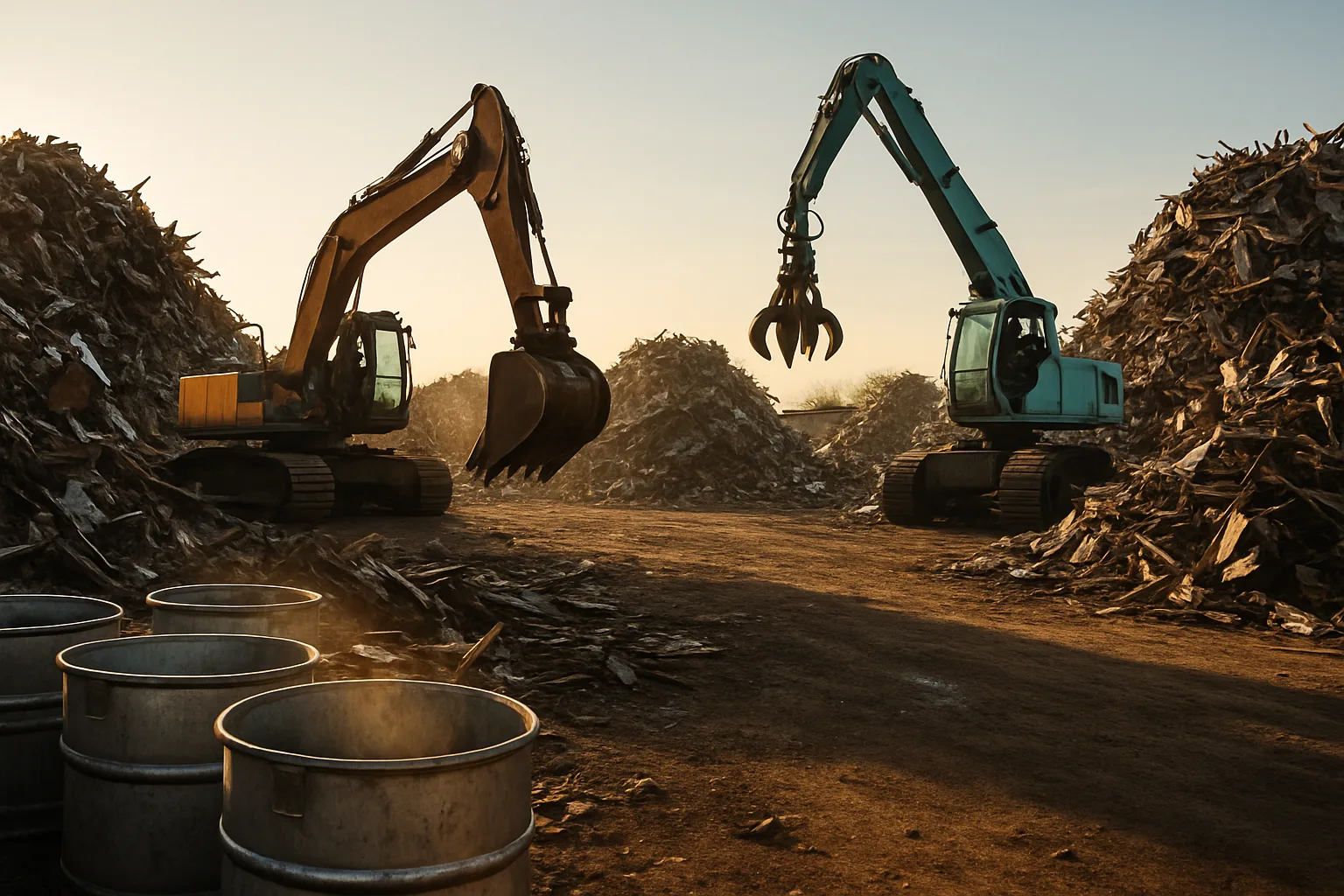
Most scrap yards treat environmental regulations like a tax bill — something to deal with, minimize, and move on from. But a growing number of operators across Florida are flipping that mindset. They're using compliance documentation, responsible material handling, and transparent selling practices to attract better buyers and command stronger prices. This is the story of how that shift plays out in practice — and why scrap metal recycling Orlando is becoming a model for how the industry can do both well.
Environmental rules around scrap metal aren't getting looser. Florida's Department of Environmental Protection (FDEP) continues to tighten standards around hazardous material handling, fluid drainage, and record-keeping — especially for facilities dealing with end-of-life vehicles, catalytic converters, and non-ferrous metals. The yards that treat those requirements as a burden fall behind. The ones that treat them as a differentiator pull ahead.
---Florida's Regulatory Environment for Scrap Metal Recycling
Florida isn't the easiest state to run a scrap operation. FDEP regulations require proper containment of vehicle fluids, documented disposal of hazardous materials, and — in many cases — detailed records on where high-value metals like copper and aluminum originate. For catalytic converter buyers, the paper trail requirements are especially strict. Serial tracking, seller ID, and transaction logs are all part of doing business legally in Florida.
That's not a complaint. It's context. Because those requirements, when met consistently, create something valuable: documented, trusted inventory. Buyers — especially commercial buyers purchasing large volumes of scrap copper, scrap aluminum, or cats — pay more for loads they can verify. A packing list with photos, origin documentation, and proper handling records isn't just a legal box to check. It's a sales asset.
- FDEP fluid containment rules apply to any facility processing end-of-life vehicles — draining oil, coolant, refrigerants, and brake fluid before crushing or shredding is required.
- Catalytic converter documentation requires seller identification, VIN or serial tracking in many Florida counties, and transaction records held for a minimum period.
- Copper and aluminum sourcing logs are required under Florida's metal dealer laws — helping prevent theft-driven material from entering the supply chain.
- Hazardous waste manifests apply to materials like lead-acid batteries, mercury switches, and certain electronic components pulled during vehicle dismantling.
The yards that have built systems around these requirements — not just workarounds — are the ones attracting serious buyers. And serious buyers bid competitively.
---The Old Way Was Costing Yards More Than They Realized
Before platforms like SMASH entered the picture, the typical Orlando scrap yard ran on relationships and phone calls. One buyer. One price. Take it or leave it. If that buyer knew your yard was operating on thin documentation or sketchy sourcing, the price reflected it — not because they said so, but because risk always gets priced in somewhere.
That model had another problem: no competitive pressure. A single buyer offering $0.85/lb on scrap copper has zero incentive to push toward $1.05/lb when there's no one else at the table. The seller has no idea if that spread even exists. They accept the number because they have no reference point — and no leverage.
Environmental compliance actually made this worse in the short term for some yards. Spending money on proper containment systems, documentation software, and staff training cut into margins. But it didn't translate into better sale prices because the buyers never saw it. The effort was invisible.
That's the gap SMASH closes. When you bring documented, compliant inventory to a competitive auction format, the work you've already done starts paying dividends. Buyers can see what you have, verify it, and compete for it. That changes the dynamic entirely.
---How Transparent Inventory Documentation Changes What Buyers Will Pay
Here's what most sellers don't fully appreciate: buyers price risk into every offer. Unknown origin, no photos, incomplete BOLs, missing serial numbers on cats — all of that creates uncertainty. Uncertainty leads to lowball offers because the buyer is protecting themselves from what they can't see.
Flip it. Documented inventory — photos of every load, verified weights, VIN lookups on catalytic converters, packing lists that match what's in the container — removes that uncertainty. When a buyer can see exactly what they're bidding on, they bid on the actual value of the material. Not a discounted guess.
Platforms like get competitive bids for your scrap metal through SMASH are built specifically around this principle. The inventory tool, photo documentation, serial tracking, and VIN lookup features aren't add-ons. They're core to why the auction model generates real price discovery. More buyers competing on a well-documented load means the price reflects the market — not one buyer's risk margin.
For a yard running compliant operations in Orlando or anywhere across Florida, this is where the investment in environmental compliance starts to show a return. You've already done the work. Now you need a channel that lets buyers see it and compete on it.
---Copper Scrap Prices Orlando: Why Compliance Creates Price Floors
Copper is one of the most closely tracked metals in the scrap industry. Copper scrap prices in Orlando fluctuate with global commodity markets, but local factors — supply, buyer competition, and documentation quality — all influence what a yard actually receives on any given load.
Yards with clean sourcing documentation and consistent handling practices aren't just more compliant. They're more attractive to the category of buyers who can pay the most: commercial processors, export buyers, and manufacturers who need verified, traceable material. That tier of buyer has options. They'll pay a premium for a yard that makes their due diligence easy.
The math isn't complicated. If your copper load is competing against an undocumented load of similar weight, a serious commercial buyer will discount the undocumented one — or avoid it entirely. Your compliant load wins the bid not just on price, but on trust. Over time, that trust compounds. You become the preferred source for buyers who pay better rates. That's not a marketing claim. It's how B2B commodity procurement actually works.
If you want to sell your scrap metal at top prices on Sell Scrap Metal, documentation isn't optional — it's the entry point for the buyers who pay the best prices.
---Selling Catalytic Converters Legally and Competitively in Florida
Catalytic converters sit at the intersection of high value and high scrutiny. Florida law requires detailed seller documentation — ID, vehicle information, and in many jurisdictions, VIN verification — before a transaction can be completed legally. That's not unique to Florida; regulations around cats have tightened across most of North America in response to a significant theft problem.
For legitimate sellers, this creates frustration when buyers treat every transaction like a risk event. But it also creates opportunity. If you can sell catalytic converters online through a platform that handles documentation, serial tracking, and buyer vetting as part of the process, you're not just checking a compliance box — you're accessing buyers who specifically seek out verifiable inventory.
SMASH's VIN lookup and serial tracking features were built for exactly this. A converter with a verified serial number and documented origin is a different product than an anonymous cat in a barrel. Vetted buyers competing on a documented load will reflect that difference in their bids. To get a fair price for your scrap today, the documentation has to come first — and the platform has to connect you to buyers who can see and value it.
For Orlando-area yards handling volume catalytic converter inventory, the combination of Florida compliance requirements and a competitive auction format isn't a burden. It's a built-in advantage over yards that haven't invested in the process.
---The Environmental Case Is Also the Business Case
This is the point that often gets missed in industry conversations. Environmental compliance isn't separate from profitability. In scrap metal recycling, they're increasingly the same thing. Responsible fluid containment reduces liability exposure. Documented sourcing prevents legal risk. Proper hazardous material handling keeps your facility operational. And all of it — when visible to buyers through a transparent platform — supports stronger price discovery.
The yards struggling to compete on price aren't usually struggling because of the commodity market. They're struggling because they haven't built the systems that attract buyers who pay above-floor prices. Documentation, compliance, and competitive selling channels are the infrastructure of a profitable scrap operation in 2026. The yards that built it early are pulling away.
If you're moving copper, aluminum, steel, or cats out of the Orlando area and you're still running on one buyer and a handshake deal, the gap between what you're getting and what the market would pay in a competitive setting is real. You can explore scrap metal selling guides to understand how to position your inventory better — and then put it in front of buyers who will actually compete for it.
When you're ready to put your documented, compliant inventory in front of vetted buyers, sell-scrapmetal.com is where you start. List what you have, let the market respond, and stop leaving money on the table because of a process built for a different era.
---Frequently Asked Questions
Q: What environmental regulations apply to scrap metal recycling in Orlando, Florida?
Florida scrap yards are subject to FDEP regulations covering fluid containment, hazardous material disposal, and sourcing documentation. Orlando-area yards processing vehicles must drain and properly dispose of all vehicle fluids before crushing. Metal dealers must also maintain transaction records under Florida's metal theft prevention statutes — including seller identification and, for catalytic converters, serial or VIN tracking.
Q: How does proper documentation affect scrap metal prices in Orlando?
Buyers price risk into their offers. A well-documented load — with photos, weight verification, origin records, and compliant handling — removes uncertainty that buyers would otherwise discount. Competitive auction platforms reward documented inventory because multiple vetted buyers can bid confidently on what they can verify. Better documentation generally supports better price discovery.
Q: Can I sell catalytic converters online legally from Florida?
Yes, but Florida law requires proper documentation — seller identification and, in many counties, VIN or serial number verification. Selling through a platform like SMASH that includes serial tracking and buyer vetting helps ensure the transaction is both legal and competitive. Documented cats attract a higher tier of buyer than anonymous inventory.
Q: What are the best scrap metal prices in Florida right now?
Scrap metal prices fluctuate daily based on global commodity markets, local supply, and buyer demand. The best way to find competitive prices in Florida is to get multiple bids on documented inventory rather than accepting a single offer. Prices for copper, aluminum, and catalytic converters vary significantly depending on grade, volume, and the number of buyers competing for your load. Always check current rates before selling.
Q: How do I find a reliable catalytic converter buyer near Orlando?
Look for buyers who are vetted, require proper documentation, and operate transparently on pricing. Auction-based platforms connect you with multiple verified buyers competing on your inventory, which is a more reliable way to find market-rate offers than cold-calling yards or accepting the first number you're given. Verified buyers also reduce your legal risk as a seller.
---Stay current on scrap metal market trends, regulation changes, and selling strategies by following SMASH on LinkedIn. It's where serious operators in the scrap industry track what's moving the market.