Why Scrap Metal Prices Change Every Single Day (And How to Sell Smarter in Jacksonville)
Most people assume scrap metal prices are stable. They're not. Copper can swing several cents per pound in a single morning. Aluminum shifts with energy costs. Steel tracks global production. If you're sitting on a load of scrap copper, catalytic converters, or mixed metal and you're not paying attention to daily pricing — you're likely leaving money on the table.
This is especially true for sellers in scrap metal recycling Jacksonville markets, where the local yard down the street may not reflect what competitive buyers are actually willing to pay on any given day. Understanding what drives those daily swings — and how to position yourself to capture better prices — is the difference between a frustrating transaction and a fair one.
What Actually Drives Daily Scrap Metal Price Fluctuations
Scrap metal isn't priced in a vacuum. It's a commodity, and commodities respond to real-world forces — fast. Here's what's moving prices on any given morning:
- London Metal Exchange (LME) and COMEX settlements: Copper, aluminum, and other non-ferrous metals are benchmarked against global exchanges. When those numbers move overnight, your yard adjusts its buy price before you arrive.
- Steel mill demand: Ferrous scrap — your shredded steel, structural iron, cast iron — is priced partly based on what mills are paying. If production is ramping up, prices follow. If mills are drawing down inventory, prices soften.
- Freight and fuel costs: Moving scrap isn't free. When diesel is high, processing margins get squeezed and that can push buy prices down.
- Export demand: A significant share of U.S. scrap ships overseas. If foreign buyers are active, domestic prices rise. If export demand cools, local prices follow.
- Currency fluctuations: Since most metal is priced in USD globally, a stronger dollar makes U.S. scrap more expensive for foreign buyers — which can soften export demand and pull local prices down.
- Seasonal supply: Summer months often see more scrap hitting the market as construction activity peaks. More supply without matching demand can compress prices.
None of these forces care about your schedule. That's why selling based on a single phone call to one buyer — the old way — is a gamble. You get one data point, at one moment, from one party who profits when you accept less.
Scrap Metal Price Tiers: Not All Metal Is Created Equal
Before you can understand fluctuations, you need to know where different metals sit in the pricing hierarchy. Here's a practical breakdown of what you're likely selling and how prices behave:
Copper
Copper is the most price-volatile common scrap metal most sellers deal with. Copper scrap prices in Jacksonville — and everywhere else — follow COMEX closely. Bare bright copper (the cleanest grade) commands the highest prices. As you move to #1 copper, #2 copper, and then insulated wire, the price per pound drops significantly based on yield after processing. A few cents per pound difference across a hundred-pound lot adds up fast. Knowing your grade before you call matters.
Aluminum
Scrap aluminum prices are heavily influenced by energy costs since primary aluminum production is energy-intensive. When energy prices climb, recycled aluminum becomes comparatively more attractive — and prices firm up. Clean extrusions, cast aluminum, and sheet each price differently. Dirty or painted aluminum takes a discount.
Steel and Ferrous Metals
Scrap steel prices fluctuate on a slower cycle than copper or aluminum but still move meaningfully week to week. Heavy melting steel, shredded auto scrap, and cast iron each have separate price tiers. Florida's port access means your ferrous loads have legitimate export optionality — something worth factoring in.
Catalytic Converters
Cats are their own market entirely. Prices are driven by platinum group metal (PGM) spot prices — platinum, palladium, and rhodium. PGMs are among the most volatile metals on the planet. A catalytic converter that fetched one price in January may be worth meaningfully more or less by July. Platforms like smashscrap.com serve catalytic converter buyers across North America, bringing competitive bidding to a category where single-buyer deals have historically left yards and individuals under-compensated.
The Jacksonville Market: Why Local Pricing Doesn't Tell the Full Story
Jacksonville is a major logistics hub with port access, rail connections, and proximity to manufacturing and construction corridors throughout northeast Florida. That means there's genuine buyer competition for scrap in this market — if you're tapping into it. Most sellers don't.
The average person hauling scrap copper or aluminum to a local yard in Jacksonville is working with one price from one buyer. That buyer knows the LME number. They know what the next mill is paying. You probably don't — and that information asymmetry is the entire problem. Getting Jacksonville scrap metal services that actually expose your load to multiple buyers closes that gap.
When you sell your scrap metal at top prices on Sell Scrap Metal, you're not calling one yard and hoping. You're putting your inventory in front of vetted buyers who compete — which is how you actually discover what the market will pay on a given day, not just what one buyer offers.
How to Track Prices Before You Sell — A Practical Comparison
Here's an honest breakdown of the tools sellers actually use to track daily scrap metal prices, and what each one gets you:
- iScrap App / Rockaway Recycling daily posts: These give rough national benchmarks. Useful as a baseline. Not reflective of your local Florida market or what competitive buyers are actually paying on a specific load.
- Calling local yards directly: Fast, but you get one number from one buyer with zero incentive to sharpen their offer. This is still the default move for most sellers — and it costs them.
- LME and COMEX spot prices: Technically accurate for primary metal. Scrap trades at a discount to spot based on grade, contamination, and processing cost. Knowing spot gives you a ceiling but not an offer.
- Auction-based platforms like SMASH: This is where price discovery actually happens. SMASH puts your documented inventory — with photos, weights, grades, and serial or VIN tracking where relevant — in front of vetted buyers who compete. More buyers means better price discovery. Competition can help reveal the market. No subscription fees. SMASH wins when you win.
The comparison isn't subtle. Three of those four methods give you incomplete data. One gives you actual market competition. If you want to get a fair price for your scrap today, the method matters as much as the timing.
Best Practices for Selling Scrap Metal in a Fluctuating Market
You can't control what copper does on a Tuesday morning. You can control how you position your load to sell at the right moment and to the right buyers. Here's what experienced sellers do differently:
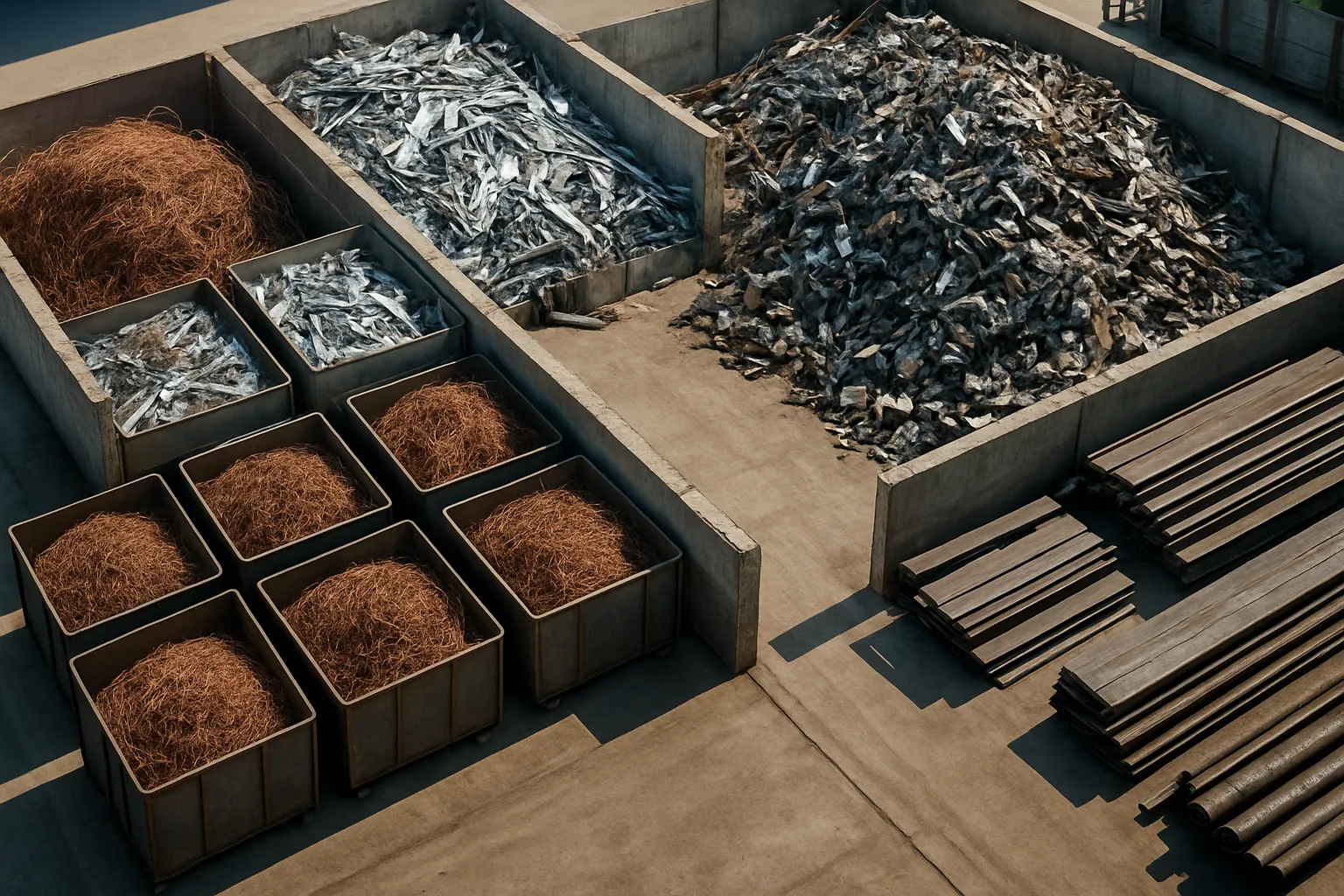
- Sort before you sell. Mixed loads get penalized. A clean sort by grade — bare bright copper separate from #2, clean aluminum extrusions separate from cast — puts more money in your pocket before the first price is quoted.
- Document your inventory. Photo documentation, accurate weights, and grade descriptions give buyers more confidence. Confident buyers bid higher. This is one reason the SMASH inventory tool exists — documented loads close faster and at better prices.
- Watch for price direction, not just the number. If copper is trending up over several days, holding a load for 48 hours can pay off. If it's trending down, move quickly. One phone call to one yard never gives you this read.
- Know your grades before you call anyone. Showing up with "a bunch of copper wire" is different from showing up with a documented load of #1 insulated wire. The second conversation starts at a better number.
- Use competitive platforms for larger loads. For anything significant — a full load of cats, a non-ferrous sort, a mixed industrial lot — single-buyer pricing almost always underperforms. Explore scrap metal selling guides to sharpen your prep before your next load goes to market.
The best scrap metal prices in Florida don't go to the sellers who show up first. They go to the sellers who show up prepared — with a sorted, documented load and access to more than one buyer.
Frequently Asked Questions
Q: How often do scrap metal prices change in Jacksonville?
Prices at most Jacksonville yards update daily, sometimes multiple times a day for non-ferrous metals like copper and aluminum. Ferrous prices (steel, iron) tend to move on a weekly or bi-weekly cycle. If you're selling a meaningful load, checking prices the morning you plan to sell — not the day before — makes a real difference.
Q: What is the best way to get the most money for scrap copper in Jacksonville?
Sort your copper by grade before you sell — bare bright, #1, #2, and insulated wire all price differently. Then expose your load to more than one buyer. A single yard quote is one data point. Competitive platforms like SMASH create actual price discovery instead of a take-it-or-leave-it offer.
Q: Can I sell scrap metal online from Jacksonville, Florida?
Yes. Selling scrap metal online has become a practical option for larger loads — particularly non-ferrous metals, catalytic converters, and industrial scrap. Platforms that connect sellers with vetted buyers across North America allow you to list, document, and auction your load without being limited to local yard pricing.
Q: Are catalytic converter prices stable or do they fluctuate?
Catalytic converter prices are among the most volatile in scrap metal because they're driven by platinum group metal (PGM) spot prices — platinum, palladium, and rhodium — which can swing dramatically. Never accept a single quote on a lot of cats without knowing the current PGM market. Documentation, including serial tracking where applicable, helps ensure you're getting an accurate grade assessment.
Q: Is scrap metal recycling in Jacksonville seasonal?
There's a moderate seasonal pattern. Summer typically brings more construction and demolition activity in Florida, which increases the supply of structural steel and copper. More supply without matching demand can soften local prices. Ferrous prices often firm up in late fall and winter as construction slows and mill demand picks up heading into the new year.
Disclaimer: Scrap metal prices fluctuate daily based on global commodity markets, local supply and demand, and processing costs. Always verify current rates before selling. Nothing in this article constitutes a price guarantee or financial advice.
If you've got scrap sitting in a yard, a job site, or a garage in Jacksonville — sorted, documented, and ready to move — don't settle for one quote on a fluctuating market. The right buyer at the right moment pays better than the closest buyer. Start with real market exposure and sell your scrap metal at top prices — request a pickup at sell-scrapmetal.com.
Stay sharp on where the market's heading — follow SMASH on LinkedIn for regular scrap metal market insights and industry updates from buyers and sellers across North America.