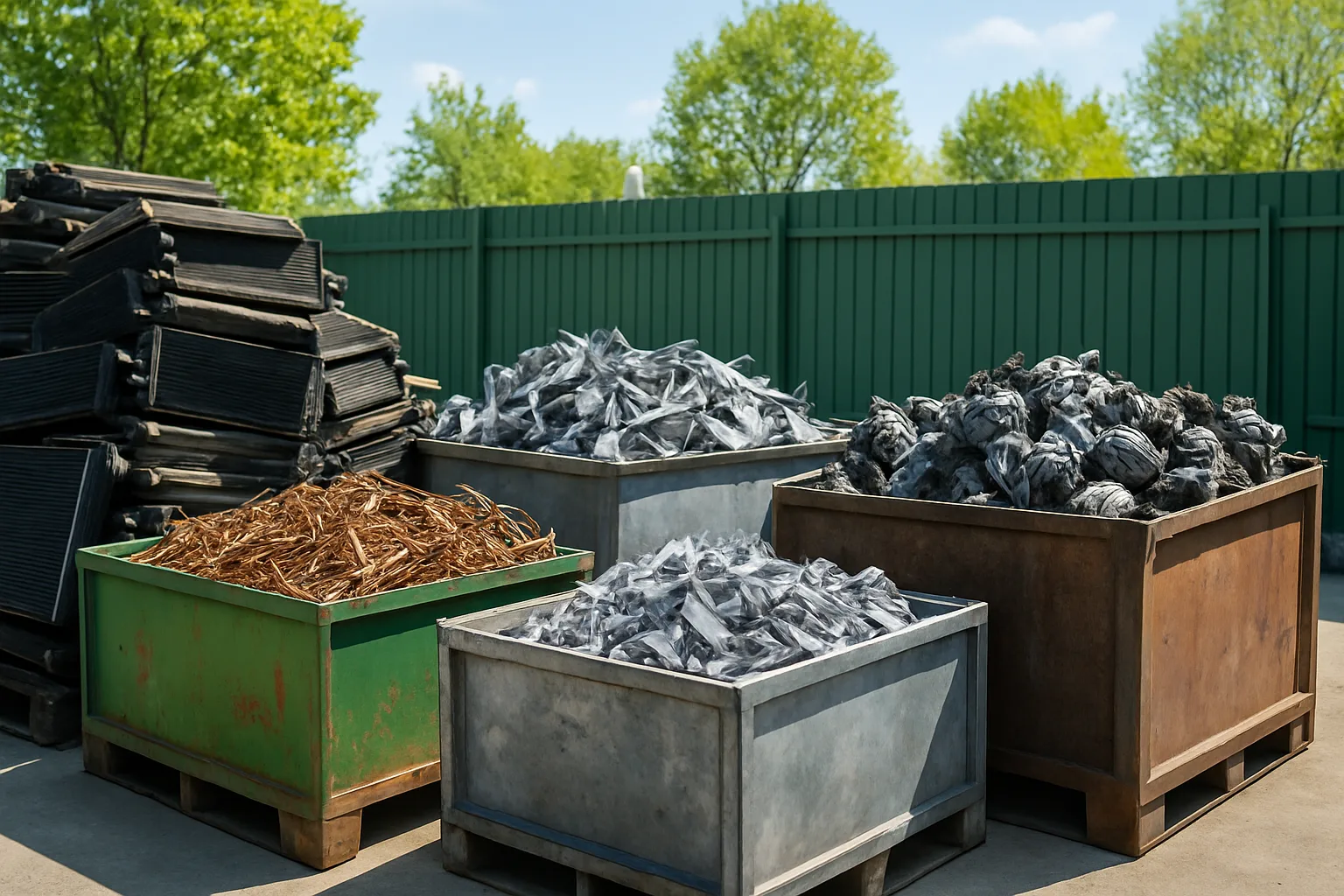
What Happens to Your Car's Radiator and Alternator After It Leaves the Yard?
Most people know scrap cars have value. Few understand exactly where that value lives — and it's not just in the body panels or the catalytic converter. Components like radiators, alternators, starters, and copper wiring harnesses are loaded with recoverable metal. If you're sitting on a pile of used auto parts and watching the copper scrap price today, you're already thinking in the right direction. The question is whether you're actually capturing that value — or leaving money on the table.
This guide breaks down how auto parts like radiators and alternators get recycled for metal, what metals they contain, and how sellers in Miami and across Florida can make sure they're getting a fair return on every load.
Why Auto Parts Are a Serious Source of Scrap Metal
A single vehicle contains anywhere from 40 to 60 pounds of non-ferrous metal depending on age and make. Copper alone shows up in the wiring harness, alternator windings, starter motor coils, and radiator cores. Aluminum is everywhere — in radiator end tanks, engine components, and transmission housings. Even the steel in brackets and housings has recoverable value when volume adds up.
For recyclers and auto dismantlers in Miami scrap metal services, this isn't a side hustle — it's a core revenue stream. A single alternator might yield a pound or more of copper windings. Scale that across hundreds of units per week, and the math changes fast. The challenge isn't finding the metal. It's processing it correctly and selling it to buyers who will pay for the actual composition — not a blended guess.
- Radiators: Typically copper/brass or aluminum construction, depending on the vehicle year
- Alternators: Steel housing with copper windings and aluminum components
- Starters: Similar copper winding content, heavy steel casing
- Wiring harnesses: Insulated copper wire, valuable when stripped or sold as-is
- AC compressors: Aluminum body, copper coils in some configurations
How Radiators Are Recycled: From Pull to Processed Metal
Radiators pulled from end-of-life vehicles go through a straightforward but precise recycling process. The first step is identifying the material composition. Older vehicles — generally pre-2000s — often used copper and brass radiators. These fetch significantly more per pound than aluminum units. A copper/brass radiator in clean condition can be worth several times what a comparable aluminum unit brings.
Once identified, radiators are drained of any remaining coolant. Fluid contamination reduces value — buyers discount wet or contaminated loads. After draining, copper/brass radiators are typically cut apart to separate the tank ends from the core, since different alloys command different prices. Aluminum radiators are processed whole or baled for smelting. The key detail most sellers miss: plastic end tanks have zero metal value. Stripping them before sale is worth the labor when you're dealing with volume.
Here's how the typical radiator breakdown flows:
- Drain and inspect for contamination
- Identify construction — copper/brass core vs. aluminum core
- Separate tanks from core if applicable
- Remove plastic components
- Weigh and grade by metal type
- Price against current market — including the copper scrap price today for copper/brass units
Platforms like SMASH Scrap — where verified buyers bid on your metal allow sellers to document loads with photos and specs before sending them to market. That transparency matters when the difference between clean copper/brass and a contaminated mixed load can be several hundred dollars per ton.
How Alternators and Starters Are Processed for Scrap Copper and Steel
Alternators and starters are composite units — they contain multiple metals, which makes pricing them tricky. Most scrap yards have two options: buy them whole at a blended "alternator price," or process them for their individual components. For high-volume sellers, processing wins every time.
The copper windings inside an alternator are the primary value driver. The rotor and stator are wound with copper wire, and when separated from the steel housing and aluminum end plates, that copper grades out as insulated wire or bare bright depending on the processing method. A shredded alternator yielding clean copper windings will recover more value than selling the whole unit at a flat rate.
Processing typically involves:
- Breaking down the housing with a press or torch
- Separating copper windings from the steel armature
- Sorting aluminum end caps and steel casings separately
- Grading copper as insulated, #1, or #2 depending on cleanliness
Starters follow similar logic. The copper content is comparable, with a heavier steel casing. Labor cost matters here — processing makes sense when copper prices justify the time. Keep an eye on the copper scrap price today per kg if you're exporting or dealing in metric-priced loads, which is increasingly common for buyers operating across borders.
What Miami Recyclers Need to Know About Selling Auto Parts Metal
The scrap metal recycling Miami market is active year-round. Florida's climate keeps older vehicles on the road longer than colder states, which means more end-of-life inventory flows through Miami-area yards consistently. That's a real advantage — but it also means local competition for buyers is uneven. Some yards pay sharp prices for auto components. Others apply generic rates that don't reflect actual copper or aluminum content.
If you're moving regular volumes of radiators, alternators, or other auto parts through a Miami-area operation, you shouldn't be locked into a single buyer relationship. That's the old way — one buyer, one phone call, and whatever number they quote you that week. Competition changes the dynamic. When multiple buyers are looking at the same documented load, price discovery happens. You find out what the market actually pays, not just what one contact feels like offering.
This is where sell your scrap metal at top prices on Sell Scrap Metal becomes the smarter move. Documenting your load — photos, weights, metal grades — and putting it in front of vetted buyers means the price reflects your material, not a buyer's margin cushion. Florida sellers, especially in high-volume operations, have real leverage when they use it.
How to Maximize What You Get for Auto Parts Scrap
Preparation is the difference between average and strong returns. This applies whether you're selling a single radiator or a pallet of mixed auto cores. Here's what actually moves the needle:
Sort before you sell. Mixed loads get priced at the lowest-value material in the pile. If your radiators are copper/brass, don't let them sit with aluminum units. If your alternators are stripped, keep them separate from whole units. Sorting adds real value without adding cost.
Document your material. Photos, approximate weights, and clear descriptions of condition give buyers confidence. Confident buyers bid more aggressively. A documented load on a platform like SMASH performs better than an undocumented phone-in every time.
Know your grades. Not all copper is equal. Bare bright copper, #1 copper, #2 copper, and insulated wire all price differently. When you grade accurately, you capture the full value. When you mislabel, you get penalized at settlement.
Watch the market. Copper prices move. The copper scrap price today in August 2026 reflects current market conditions — futures activity, global demand signals, and regional supply. A load that moves this week may price better than the same load sitting for three weeks. Timing matters.
Use competitive buying. A single buyer quote is a starting position, not a final price. Explore scrap metal selling guides to understand how auction-format platforms give sellers market-rate exposure without subscription fees or upfront costs.
The Business Case for Getting Auto Parts Recycling Right
This isn't abstract. Radiators, alternators, and auto cores are consistent, repeatable inventory streams for any dismantler or recycler. Getting your process dialed in — sorting, documentation, competitive selling — compounds over time. The difference between lazy selling and disciplined selling can be significant at scale.
For operations in Miami and throughout Florida, the infrastructure to do this right already exists. The question is whether you're using it. Get a fair price for your scrap today by putting your loads in front of buyers who are actually competing for them, not just waiting for your call.
Platforms like SMASH bring vetted buyers to your material. No subscription fees. No guessing. The platform wins when you win — that's how the model works. If you're ready to stop leaving money in the pile, this is the straightforward way to start.
Frequently Asked Questions
Q: What is the copper scrap price today for radiators in Miami?
Copper and brass radiator prices fluctuate with the commodities market and are influenced by local supply and demand in the Miami area. Clean copper/brass units typically price higher than aluminum radiators — often significantly so. Always check current rates before committing to a sale, as prices can shift week to week. Disclaimer: Metal prices fluctuate daily. Always verify current rates with a buyer or market source before selling.
Q: Are alternators worth stripping for copper before selling?
For high-volume sellers, yes — stripping alternators to recover copper windings separately from the steel housing and aluminum components typically increases total recovery value. For one-off sales, it depends on the current copper scrap price and your labor cost. When copper prices are strong, processing pays. When margins are thin, whole-unit pricing may make more sense.
Q: Where can I sell auto parts scrap metal in Miami?
Miami has active scrap yards throughout the metro area that accept auto cores, radiators, and non-ferrous auto parts. For better price discovery, consider listing documented loads through competitive buyer platforms rather than relying on a single yard quote. Miami scrap metal services can help connect you with buyers who price based on actual material composition.
Q: What metals are in a car alternator?
A typical alternator contains copper windings (the primary value), a steel housing and armature, and aluminum end caps. Some also contain small amounts of other alloys. The copper component is the main driver of scrap value, making accurate grading and separation important for maximizing returns.
Q: Does the copper scrap price today per kg differ from per pound pricing?
Yes — per-kg pricing and per-pound pricing are simply different unit expressions of the same market rate. Per-pound is standard for most US domestic transactions, while per-kg pricing is more common in export-oriented trades or cross-border deals. If you're selling to buyers who operate internationally, confirming whether quotes are in USD per pound or per kg avoids settlement confusion.
Ready to stop guessing what your auto parts metal is worth? Sell your scrap metal at top prices — request a pickup at sell-scrapmetal.com and let competitive buyers show you the real market rate for your material.
Stay current on scrap metal pricing, market shifts, and industry updates — follow SMASH on LinkedIn for practical insights that help you sell smarter.