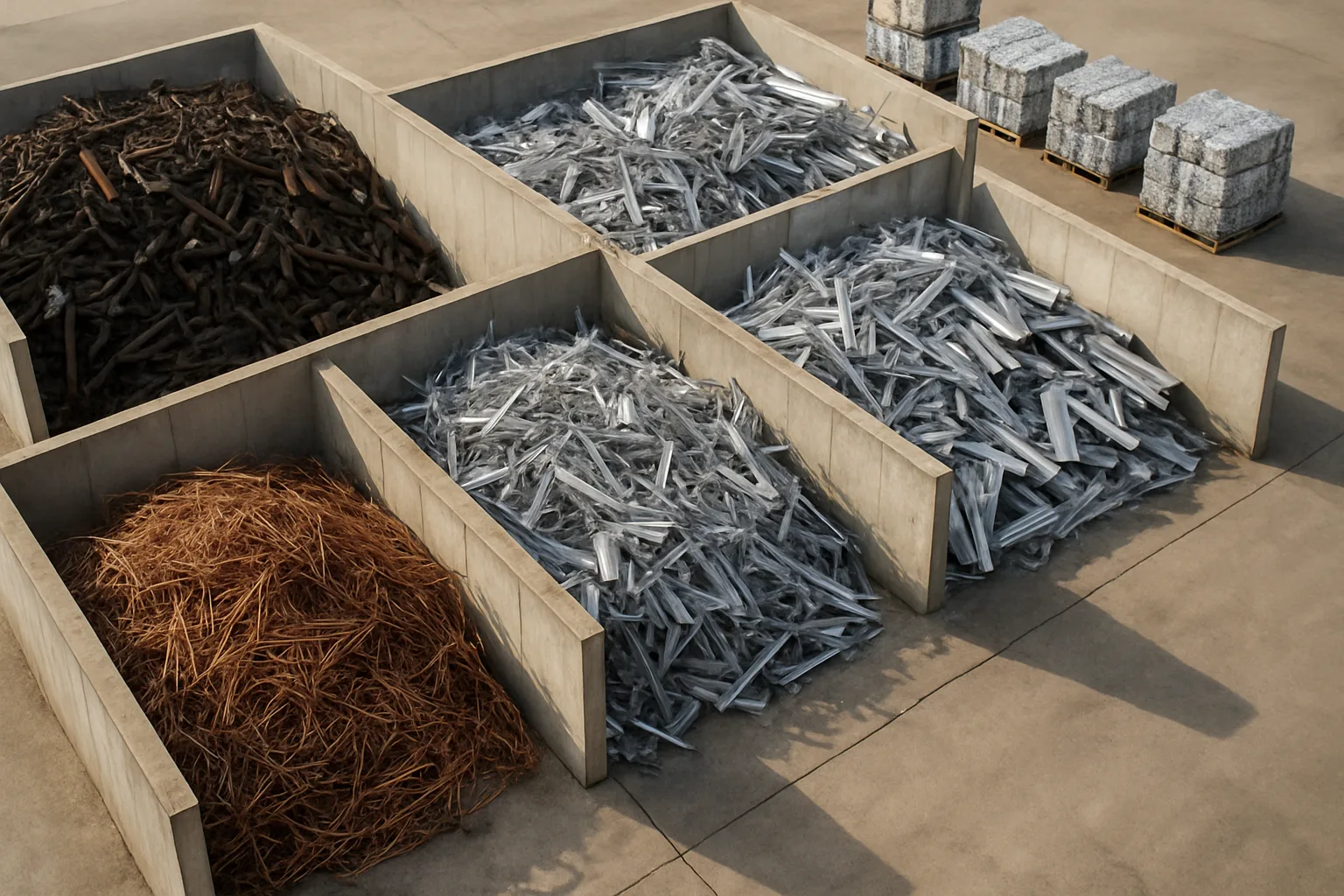
Why Sorted Scrap Is Worth More: What San Antonio Yards Actually Pay For
Most people leave money on the table before they ever reach the scale. Not because they have bad material — because they show up with a mixed, unsorted load and let the yard decide what it's worth. That's the old way. And in a market where scrap metal recycling San Antonio is as active as it's ever been, knowing how to sort and prepare your material before you sell is one of the fastest ways to improve your return.
Yards pay for what they can process efficiently. When you hand them clean, sorted metal, you remove their risk — and their excuse to low-ball you. When you hand them a tangled pile of mixed alloys, attached hardware, and mystery material, they price for the worst case. Every time. This guide breaks down exactly how to sort, clean, and document your scrap so you walk in — or log in — with leverage.
Know What You Have: The Basic Categories of Scrap Metal
Before you touch a single piece, you need to understand the two broad categories: ferrous and non-ferrous. Ferrous metals contain iron — steel, cast iron, and similar materials. Non-ferrous metals do not — copper, aluminum, brass, stainless steel, and lead fall into this group. Non-ferrous material almost always pays more per pound, so separating it from your ferrous pile is the first thing you do.
Use a magnet. It's that simple. If the magnet sticks, it's ferrous. If it doesn't, you're likely holding something more valuable. From there, break your non-ferrous material into its own sub-categories:
- Scrap copper — bare bright, #1, #2, and insulated wire all pay differently
- Scrap aluminum — cans, extrusions, cast, and sheet are graded separately
- Brass — fittings, valves, and yellow brass are distinct grades
- Stainless steel — keep it separate from regular steel; it pays significantly more
- Lead — batteries, wheel weights, and clean lead are all different grades
If you're not sure what you have, don't guess and don't mix it in with lower-grade material. Set it aside and get it identified. Mixing a pound of bare bright copper into a pile of #2 insulated wire doesn't average out — you lose on the whole pile.
How to Prepare Copper Scrap for the Best Prices in Texas
Copper is where preparation pays off most visibly. Copper scrap prices San Antonio — like anywhere in Texas — follow commodity markets, but the grade you bring in determines which price on that board actually applies to you. Bare bright copper (clean, uncoated, unalloyed wire, 16 gauge or larger) sits at the top of the pricing ladder. #1 copper is clean pipe and wire with no fittings or solder. #2 includes light oxidation, solder joints, or minor contamination. Each step down costs you money per pound.
Here's how to move your copper up the grade ladder before you sell:
- Strip insulated wire — removing the plastic jacket from copper wire takes it from insulated wire pricing to bare bright or #1. At volume, that difference adds up fast. A wire stripper pays for itself on the first load.
- Remove fittings and solder — copper pipe with fittings still attached drops to #2. Cut them off where you can.
- Clean surface oxidation — light scrubbing can move lightly oxidized pipe from #2 back toward #1.
- Keep it dry — wet copper weighs more, but yards will dock you or re-weigh after drying. Don't try to game the scale.
If you're selling a significant volume of copper, platforms like sell your scrap metal on the SMASH marketplace let multiple vetted buyers compete for your load — which can help reveal the actual market rate instead of whatever one buyer offers that day.
Sorting Aluminum, Steel, and Mixed Loads the Right Way
Aluminum is the second-highest volume non-ferrous material most yards see. The grade spread is wide: clean aluminum extrusion (window frames, structural pieces) pays much better than mixed or painted aluminum. Aluminum cans are their own category — and while the per-pound rate sounds low, volume makes them worth separating.
A few sorting rules that matter for aluminum:
- Keep cast aluminum (engine blocks, wheels) separate from sheet and extrusion
- Remove steel bolts, inserts, and attachments where possible — mixed material drops your grade
- Aluminum wheels with steel valve stems still attached may grade lower at strict yards
- Painted vs. unpainted extrusion matters at some facilities — ask ahead
For ferrous scrap — scrap steel, iron, and similar material — the preparation bar is lower, but it's not zero. Clean steel without heavy contamination (non-metal attachments, excessive rust, oil saturation) typically grades as #1 heavy melt or #1 busheling. Attached rubber, plastic, or wood pulls you toward lower grades or shredder material pricing. Cut or remove what you can.
Mixed loads are the enemy of good pricing. A yard that can't quickly identify your material will price it conservatively — or reject it. Keeping your loads clean and sorted by type gives buyers confidence, which is exactly what produces competitive bids. You can sell your scrap metal at top prices on Sell Scrap Metal when buyers know what they're bidding on.
Catalytic Converters: Document Everything Before You Sell
Catalytic converters are in a category of their own. If you're a shop, a wrecker, or a fleet operator accumulating cores, how you document and sell your cats has a direct impact on what you recover — and on your compliance posture. Texas has tightened requirements around catalytic converter transactions in recent years, and 2026 continues that trend with stricter documentation at the point of sale.
Before you sell catalytic converters online or to any buyer, document:
- Vehicle VIN the converter came from (use VIN lookup tools where available)
- Serial number stamped on the converter body
- Photo of the converter with the serial number visible
- Date and source of removal
Platforms that track serial numbers and VINs give buyers more confidence — and help you demonstrate a clean chain of custody. If you're moving volume, this documentation also protects you if a transaction is ever questioned. Sloppy records create liability. Clean records create trust, and trust creates competitive offers. Use platforms built to handle this — serial tracking and photo documentation aren't extras, they're table stakes now.
If you're in San Antonio and operating a shop or wrecking yard, San Antonio scrap metal services can help you connect with vetted buyers who handle this category properly.
How to Get the Best Scrap Metal Prices in Texas: The Platform Advantage
Here's the part most sellers skip. Even if you've sorted perfectly, cleaned your copper, documented your cats, and separated your aluminum — if you're calling one buyer, you're still guessing at the market. One buyer has every incentive to price you low. They're not doing anything wrong; that's just how a one-buyer transaction works.
Getting the best scrap metal prices Texas has to offer means introducing competition. When multiple vetted buyers see your documented, sorted load and submit bids, you get actual price discovery instead of a take-it-or-leave-it offer. That's the core value of an auction format — not hype, just math. More buyers bidding on the same load reveals what it's actually worth in the current market.
SMASH is built for exactly this. No subscription fees. The platform connects sellers with vetted buyers, supports inventory documentation, handles auto-invoicing, and creates a transparent record of every transaction. You don't win unless the sale closes — that's how the model stays honest. Explore scrap metal selling guides to understand how the process works before your first load goes up.
For sellers in San Antonio specifically, the local yard market is competitive — but that doesn't mean the first offer you get is the best one. Use the competition. That's what it's there for.
Before You Load the Truck: A Pre-Sale Checklist
Pull this out every time before you haul a load. It takes ten minutes and it changes what you get paid.
- Separate ferrous from non-ferrous — magnet test every uncertain piece
- Sort non-ferrous by type — copper, aluminum, brass, stainless, lead in separate containers or bags
- Grade your copper — strip wire, remove fittings, separate bare bright from #1 and #2
- Remove contaminants — rubber, plastic, and attached hardware pull grades down
- Document catalytic converters — VIN, serial, photos before they leave your facility
- Photograph your load — good photos support better bids on any platform
- Know your weights — estimate by grade before you arrive; it helps you verify the scale
- Check current market rates — get a reference point before anyone makes you an offer
None of this is complicated. It's just discipline. Yards and buyers deal with hundreds of sellers. The ones who show up prepared get treated differently — because their loads are easier to process and easier to price fairly. Get a fair price for your scrap today by doing the work on the front end.
If you're ready to stop guessing and start selling with actual market visibility, SMASH connects you to verified buyers across North America. No cold calls, no single-buyer pricing, no mystery. Just a competitive process with full documentation built in. Start at sell-scrapmetal.com and put your sorted, prepared load in front of buyers who are ready to compete for it.
Disclaimer: Scrap metal prices fluctuate based on commodity markets, regional demand, and material grade. Always verify current rates before selling. Prices referenced in this article reflect general market conditions as of August 2026 and are subject to change.
Frequently Asked Questions
Q: How do I find the best scrap metal recycling in San Antonio?
Start by sorting and documenting your material before contacting any buyer. In San Antonio, multiple yards compete for quality loads — but getting multiple offers gives you real leverage. Platforms like SMASH let vetted buyers bid on your scrap, which helps surface the actual market rate rather than one yard's daily offer.
Q: What's the difference between #1 and #2 copper scrap?
#1 copper is clean, unalloyed copper pipe or wire with no fittings, solder, or heavy oxidation. #2 copper has some contamination — light oxidation, solder joints, or minor attachments. The price gap between them can be meaningful per pound, so stripping wire and removing fittings before you sell is usually worth the effort.
Q: Do I need documentation to sell catalytic converters in Texas?
Yes. Texas requires documentation for catalytic converter sales, including seller identification and, in many cases, vehicle information. Requirements have continued to tighten through 2026. Keeping VIN records, serial numbers, and photos for every converter protects you legally and builds trust with buyers.
Q: How do I know if I'm getting a fair scrap metal price in San Antonio?
Check published commodity prices for a baseline, then compare offers from more than one buyer. A single offer from a single yard gives you no context. Auction-style platforms create competitive pricing by putting your documented load in front of multiple vetted buyers at once — that's how price discovery actually works.
Q: Is it worth stripping copper wire before selling scrap?
Usually yes, depending on your volume and the grade gap in your local market. Bare bright copper commands a significantly higher rate than insulated wire. A basic wire stripper is inexpensive, and the return on stripping your own wire can be substantial at even modest volumes. Do the math on your specific load before you decide.
---Stay sharp on scrap metal markets and industry news — follow SMASH on LinkedIn for regular updates on pricing trends, regulation changes, and selling strategies across North America.