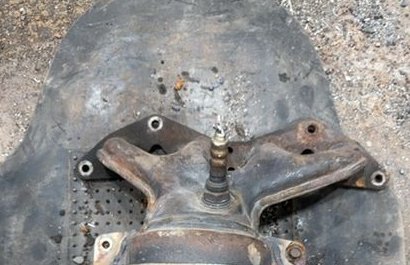
Most people have no idea what's inside a catalytic converter — until they get a quote and realize it might be worth more than the car it came off. If you've been sitting on a pile of cats or just pulled one from a trade-in, understanding how catalytic converter recycling actually works can be the difference between leaving money on the table and getting paid what the material is worth.
This week's market recap breaks down the recycling process, explains why prices swing so dramatically, and covers what St. Louis sellers need to know heading into the last quarter of 2026. We'll also touch on aluminum scrap price today conditions and how the broader non-ferrous market is shaping buyer behavior right now.
How Catalytic Converter Recycling Actually Works
Strip away the mystery and catalytic converter recycling is a straightforward precious metals recovery operation. The converter housing is steel — worth something, but not the interesting part. What buyers are paying for is the ceramic or metalite substrate inside, coated with platinum group metals (PGMs): platinum, palladium, and rhodium.
Here's the basic flow from your yard to a refinery:
- Collection and identification — Converters are sorted by make, model, and serial number. A VIN or part number lookup tells a buyer roughly what PGM content to expect before any testing happens.
- Decanning — The steel shell is cut away. The substrate (the honeycomb-looking core) gets separated.
- Crushing and sampling — Substrate material is crushed into powder. A sample gets sent to an assay lab to measure the exact PGM content per unit of weight.
- Smelting and refining — The crushed material goes through a smelter. PGMs get extracted, refined to high purity, and sold into the metals market.
- Settlement — The seller gets paid based on the recovered PGM weight and that day's spot price for platinum, palladium, and rhodium.
The whole process from delivery to settlement can take anywhere from a few weeks to over a month, depending on the refiner and volume. That timeline matters when prices are moving fast.
Why Catalytic Converter Prices Vary So Much
This is the question every seller asks after getting wildly different quotes from two buyers standing ten feet apart at the same yard. The short answer: not all cats are the same, and not all buyers have the same access to the downstream market.
Several factors drive the price spread:
- PGM content by vehicle type — A converter from a late-model Toyota Prius carries a very different PGM loading than one from a 1998 Ford F-150. Foreign catalytic converters generally command higher prices because their substrates tend to be denser with precious metals.
- Rhodium's volatility — Rhodium is the wild card in the PGM group. It has historically swung from under $1,000/troy oz to over $20,000/troy oz in a single market cycle. Where rhodium sits on any given week moves the price on entire categories of cats.
- Buyer access and margin — A small local buyer reselling to a mid-tier processor takes a bigger cut than a direct refinery relationship. The fewer hands in the chain, the closer your quote gets to the actual recovered value.
- Condition and completeness — Cracked or de-canned substrates lose material. A converter with a broken honeycomb core gives the refiner less to work with, and that loss comes out of your price.
- Volume — Selling 5 cats versus 500 cats gets you a different conversation entirely. Buyers price risk into small lots differently than bulk loads.
If you're selling in St. Louis and getting inconsistent quotes, it's not always because someone is cheating you — it can genuinely be the difference in buyer access to the downstream market. That said, competition between buyers is the fastest way to surface the real number. Platforms like North America's B2B scrap metal auction platform exist specifically to create that competition instead of leaving it up to one phone call.
Aluminum Scrap Price Today — What the Non-Ferrous Market Is Telling Us
Checking the aluminum scrap price today is a habit every serious seller should build. Aluminum doesn't grab headlines the way palladium does, but it moves volume — and in St. Louis, the automotive and manufacturing base means aluminum scrap comes off the floor constantly.
As of late September 2026, non-ferrous markets have been navigating a mix of signals. Industrial demand from EV battery component manufacturing has kept certain aluminum alloys firm. At the same time, import pressure from secondary smelters in Asia has created a ceiling on how far domestic prices can run. The net result for sellers: prices are real and the market is active, but don't expect the numbers to hold indefinitely without watching them.
A few things to track if aluminum is part of your inventory mix:
- Grade matters more than people realize. 6061 extrusion, mixed cast, and auto shred all price differently. Knowing what you have before you call a buyer gives you leverage.
- Clean versus contaminated loads — Painted, coated, or mixed-alloy aluminum takes a haircut. Clean, sorted material gets better bids.
- Timing against LME settlement — Aluminum is priced off the London Metal Exchange. Weekly LME movements affect the spread buyers are willing to offer. Worth watching on Monday mornings before committing a load.
If you want to sell your scrap metal at top prices on Sell Scrap Metal, sorting your aluminum properly before you quote it is one of the highest-leverage moves you can make — and it costs nothing but time.
Best Scrap Metal Prices in St. Louis: What the Local Market Looks Like
Missouri has a dense manufacturing and automotive service base. That means the scrap stream in St. Louis is diverse — steel, copper, aluminum, and a steady flow of catalytic converters coming off fleet vehicles, dealership trade-ins, and salvage operations. That diversity is an advantage for sellers, because buyers who need volume will compete for consistent supply.
Finding the best scrap metal prices in St. Louis is less about knowing one magic buyer and more about structuring how you sell. Single-buyer relationships are comfortable but rarely optimal. When one buyer knows they're your only call, pricing reflects that. When you introduce competition — through an auction, a platform, or simply getting multiple quotes documented and compared — the market speaks more honestly.
Local sellers working catalytic converters and non-ferrous material can access St. Louis scrap metal services that connect you to vetted buyers without the guesswork. Documentation matters here too. Loads with clear packing lists, photos, and serial tracking move faster and attract more serious bids than mystery lots.
For anyone newer to selling in Missouri, the operational basics still apply: weigh your loads before they leave your facility, photograph everything, and know the grade of what you're selling. Those three habits alone separate sellers who get consistent market prices from those who take whatever they're offered.
How to Sell Catalytic Converters Online Without Getting Burned
The ability to sell catalytic converters online has changed the market significantly over the past several years. Before online platforms and auction tools existed, your price was whatever the local buyer said it was. Now, vetted buyer networks give sellers access to competitive offers without trucking a load across three state lines hoping for a better number.
If you're considering moving cats online, here's what actually protects you:
- Buyer vetting — Don't sell to anyone you can't verify. A platform that screens buyers before they can bid is worth more than a higher headline number from an unknown buyer.
- Documentation before shipment — Photograph every unit. Record serial numbers or part numbers if visible. This protects you if there's a dispute over condition at settlement.
- Understand the settlement terms — Are you selling outright (flat price per unit) or on a returns basis (paid after assay)? Both models exist. Know which one you're agreeing to and what the timeline is.
- No fees to list — SMASH doesn't charge subscription fees. You pay when you sell, which means the platform's incentive is aligned with getting you a real price, not just collecting a monthly fee.
SMASH brings vetted buyers to your inventory — whether that's a load of cats, a pile of non-ferrous, or a mixed lot coming off a demolition. You can get a fair price for your scrap today without the single-buyer guessing game that's been standard for decades.
How to Recycle Scrap Metal the Right Way — Operational Basics That Affect Your Price
Understanding how to recycle scrap metal at a basic operational level changes what you get paid. Buyers aren't just pricing the metal — they're pricing their effort and risk in processing what you bring them. Reduce their effort, reduce their risk, and your price improves.
A few non-negotiables for sellers who want to stop leaving margin behind:
- Sort before you sell. Mixing grades in one container costs you on the whole load. Keep copper separate from aluminum. Keep stainless out of your steel pile.
- Remove attachments where it makes sense. Copper wire with heavy plastic insulation gets priced as a lower-grade item. Strip it and you're in a different price tier.
- Document your loads. Bill of lading, packing list, photos. This isn't just good practice — it gives buyers confidence that what they're bidding on is what they'll receive. Confidence equals higher bids.
- Know the weight before you call. Buyers who hear "I think it's about 400 pounds" price the uncertainty into their offer. Certified weights get cleaner quotes.
To explore scrap metal selling guides and stay current on what's moving in the market, bookmark resources that speak to your actual operation — not generic commodity news that doesn't account for what you're handling on the floor.
Whether you're running a full recycling yard in St. Louis or working through an occasional load of cats and aluminum from a shop, the fundamentals don't change. Know what you have, document it well, and let buyers compete for it. That's how you get paid market price instead of one buyer's idea of market price.
If you're ready to stop guessing and start getting competitive offers on your loads, sell your scrap metal at top prices on Sell Scrap Metal — or reach out directly to get your inventory in front of vetted buyers across Missouri and beyond.
Frequently Asked Questions
Q: What determines the price of a catalytic converter at a scrap yard?
The price comes down to the platinum group metal (PGM) content inside the converter — specifically platinum, palladium, and rhodium. The vehicle make, model, and year give buyers a baseline estimate of what those metals are worth. Current spot prices for PGMs, buyer margins, and the condition of the substrate all factor into the final number you get quoted.
Q: What is the aluminum scrap price today in St. Louis?
Aluminum scrap prices fluctuate based on LME settlement, local demand, and the grade of material you're selling. Prices for clean aluminum extrusion differ from mixed cast or auto shred. For current rates, check with active buyers or platforms that post live pricing — and always confirm the grade breakdown before agreeing to a price. Disclaimer: Prices change daily. Always verify current rates before selling.
Q: Is it better to sell catalytic converters locally or online?
Online platforms with vetted buyers can introduce more competition into the process, which often results in better price discovery. Local buyers are convenient, but if you're not getting multiple quotes, you're likely not getting market price. The best approach is to document your inventory thoroughly and let buyers compete — whether that happens locally in Missouri or through an online auction format.
Q: How do I know if I'm getting the best scrap metal prices in St. Louis?
The clearest signal is competition. If you're only calling one buyer, you have no reference point for whether that price is fair. Get multiple quotes on the same documented load, note the spread, and look for patterns. Platforms like SMASH are designed to bring multiple vetted buyers to your inventory so the market sets the price instead of a single relationship.
Q: Do I need special paperwork to sell catalytic converters in Missouri?
Missouri has regulations around catalytic converter sales that require sellers to provide identification and documentation of the source of the material. Requirements can include proof of ownership or vehicle documentation. Always confirm current state requirements with a licensed scrap dealer or legal resource — regulations can change, and compliance protects both the seller and the buyer.
Stay current on scrap metal market conditions and platform updates — follow SMASH on LinkedIn for weekly industry insights, price movement commentary, and scrap metal selling strategies.