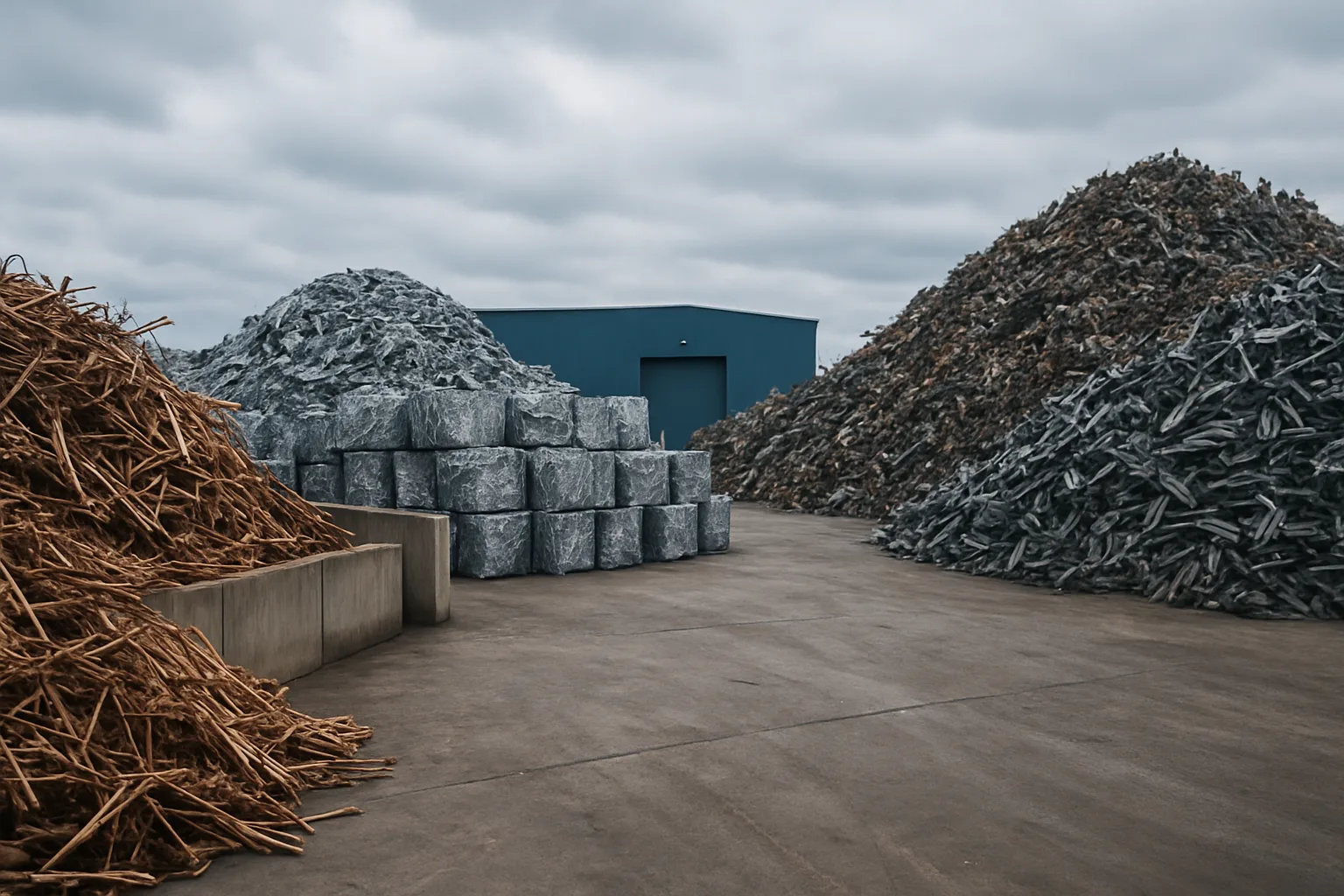
Steel vs. Iron Scrap: Why These Two Metals Don't Pay the Same
Most people assume scrap is scrap. Haul it in, get paid, done. But if you're lumping steel and iron together at the yard, you're probably leaving money on the table — and you might not even know it. Understanding the price difference between steel and iron scrap isn't just trivia. It's the difference between a good payout and a great one, especially in a market where every dollar per hundredweight matters.
Whether you're clearing out a fabrication shop in Philadelphia, breaking down equipment in rural Pennsylvania, or sorting a demolition load before you haul, knowing what you have changes what you earn. Let's break it down — what these metals are, why they price differently, and how to make sure you're getting what your load is actually worth when you bring it to market.
Steel vs. Iron: What's the Actual Difference?
Steel and iron both come from iron ore, but they're not the same material — and scrap yards treat them very differently. Iron, specifically cast iron and wrought iron, has a higher carbon content and is more brittle. You'll find it in engine blocks, old radiators, pipes, manhole covers, and heavy machinery frames. It's dense, heavy, and doesn't bend — it breaks.
Steel, on the other hand, is an alloy of iron with a much lower carbon content, plus other elements like manganese, chromium, or nickel depending on the grade. It's more flexible, weldable, and workable. Steel shows up almost everywhere: rebar, I-beams, sheet metal, car bodies, appliances, shelving, and structural components. The sheer volume of steel scrap in circulation is one reason it prices differently than iron.
Here's the practical breakdown for sorting purposes:
- Cast iron: Engine blocks, cookware, old pipe fittings, radiators, machine bases
- Wrought iron: Old fencing, decorative metalwork, older gates and railings
- Carbon steel: Rebar, structural beams, car frames, shelving
- Stainless steel: Kitchen equipment, appliances, food processing machinery — prices significantly higher
- Mixed/prepared steel: Cut and sorted structural steel, often the most straightforward to sell
The magnet test gets you started — both iron and most steel are magnetic. To separate stainless from carbon steel, you need a bit more experience or a quick grind test. Stainless produces fewer, shorter sparks compared to carbon steel. Don't guess if you're not sure. Misidentifying your material at the yard means you get paid at the lower rate, and that's a loss you don't have to take.
Why Steel Scrap Price Today Varies From Iron — And What Drives It
The gap between steel scrap price today and cast iron pricing comes down to a few market fundamentals. Steel is more desirable to mills because it's cleaner, more consistent in composition, and easier to reprocess at scale. Electric arc furnaces — which dominate North American steel production — prefer shredded steel and heavy melt because it feeds the process efficiently.
Cast iron requires more processing. The higher carbon content means it needs different handling in the furnace, which makes it less attractive to certain buyers. That reduced demand keeps cast iron prices lower than prepared steel in most markets. Heavy melt steel (HMS 1 and HMS 2) typically prices higher than cast iron per gross ton, though the spread fluctuates based on mill demand and export markets.
A few factors that move both prices:
- Mill demand: When domestic steel production ramps up, scrap demand rises and prices follow
- Export activity: Turkey, India, and other major steel-producing countries buy U.S. scrap, affecting domestic supply and pricing
- Scrap availability: Demolition cycles, manufacturing activity, and auto shredding all affect how much material hits the market
- Freight costs: The cost to move scrap from yard to mill affects what buyers can pay at the gate
- Grade and preparation: Sorted, cut-to-size, and contamination-free loads price better than mixed, dirty material
The point: steel and iron scrap prices are not fixed, and they're not equal. Checking the steel scrap price today before you sell — not last week's price, not what you got six months ago — is the only way to know what your load is actually worth. Platforms like the SMASH scrap metal auction marketplace connect sellers to vetted buyers across North America, so you're selling into real competition rather than guessing at a single yard's posted price.
How Philadelphia Yards Typically Handle Steel and Iron Loads
Philadelphia has a solid recycling infrastructure. The region's industrial history means there's no shortage of cast iron pipe, old structural steel, and demolition material moving through yards on a regular basis. If you're selling in Philadelphia or surrounding Pennsylvania counties, you're in a market with active buyers — but active doesn't always mean transparent.
Most traditional yards post a single price for "ferrous" or break it into a couple of categories. You bring in a mixed load, they weigh it, they grade it on the spot, and you take their number or you leave. For small loads, that might be fine. For anything significant — a full demolition pull, an equipment breakdown, a fabrication shop cleanout — that single-buyer model is a weak way to sell.
Philadelphia sellers dealing with larger ferrous loads benefit from having Philadelphia scrap metal services that go beyond the standard walk-in yard experience. When your load has real weight behind it, the difference between one buyer's offer and a competitive market can be substantial. That's not speculation — that's just how price discovery works. More buyers competing for your material means a better signal on what it's actually worth.
If you're sorting before you haul — which you should be — separate your cast iron from your carbon steel and stainless before the load gets weighed. Mixed ferrous almost always prices at the lower end of the range. Clean separation takes time, but it's time that pays.
Best Scrap Metal Prices in Pennsylvania: Why Preparation Wins Every Time
Getting the best scrap metal prices Pennsylvania has to offer isn't magic. It's preparation and market access. The yards paying top dollar aren't doing you a favor — they're responding to well-sorted, properly documented loads that make their processing easier and their downstream sales more predictable.
Here's how to prepare a ferrous load for maximum value:
- Sort by grade: Cast iron separate from carbon steel, stainless separate from everything else
- Remove non-metallic attachments: Rubber, plastic, insulation, and wood all count as contamination and reduce your payout
- Cut to size where possible: Many yards want steel cut to 5-foot lengths for heavy melt. Oversized material prices lower or gets refused
- Document your load: Weight estimates, photos, a packing list — especially for larger commercial loads
- Know your grade before you arrive: Don't let the yard tell you what you have. Know it yourself
Documentation matters more than most sellers realize. When a buyer can see exactly what's in the load — verified weights, photos, grade breakdowns — they bid with more confidence. That confidence translates to stronger offers. It's one reason platforms like SMASH emphasize photo documentation and inventory tools. A well-documented load on a scrap metal auction platform creates a competitive environment that a single cold call to a yard never will.
For sellers moving non-ferrous material alongside their steel and iron — scrap copper, scrap aluminum, or even catalytic converters — the same principle applies. If you want to sell your scrap metal at top prices on Sell Scrap Metal, preparation and market access are your two biggest levers.
Using a Scrap Metal Auction to Get Real Market Value
The traditional model — one phone call, one buyer, one price — gives you zero leverage. You're at the mercy of whatever that buyer's margin requirements are that day. A scrap metal auction format flips that dynamic. Multiple vetted buyers see your load. They compete. You see what the market actually thinks your material is worth.
This matters most for larger loads and higher-value materials, but it applies to ferrous scrap too. Steel and iron move in volume, and volume loads attract serious industrial buyers who price differently than a walk-in yard. If you're sitting on tens of thousands of pounds of structural steel or a significant cast iron pull from a demolition job, the spread between one buyer's offer and a competitive auction result can be meaningful.
SMASH uses vetted buyers, transparent auction processes, and no subscription fees. The platform earns when sellers earn — that alignment matters. There's no incentive to push you toward a lowball offer. The goal is price discovery through real competition, not a fixed number handed to you over the phone.
For sellers moving catalytic converters alongside their ferrous loads, the same platform approach works. If you're looking to sell catalytic converters online, competing buyers on a documented auction platform will consistently outperform a single cold call to a cat buyer. SMASH handles both, which means one process for your full load rather than piecing it out across multiple buyers and phone calls.
Ready to stop guessing at your scrap value? Get a fair price for your scrap today and put your load in front of buyers who are actually competing for it. You can also explore scrap metal selling guides to sharpen your approach before your next load moves.
If you're in the Philadelphia area or anywhere across Pennsylvania, now is the time to stop accepting the first number you're offered. Sort your material, document your load, and sell into a market — not a monologue. Request a pickup at sell-scrapmetal.com and find out what your steel and iron scrap is actually worth in today's market.
Disclaimer: Scrap metal prices fluctuate based on market conditions, grade, location, and buyer demand. Always verify current rates before selling. Prices referenced in this article are general in nature and not guaranteed quotes.
Frequently Asked Questions
Q: Does cast iron scrap pay more or less than steel scrap?
Cast iron typically prices lower than prepared carbon steel (heavy melt) at most yards. The higher carbon content makes it less desirable for electric arc furnace operations, which drives lower demand and lower prices. Stainless steel, by contrast, prices significantly higher than both. Always confirm current rates before you haul — pricing shifts with market conditions.
Q: How do I know if I have cast iron or steel before going to the yard?
Both are magnetic, so the magnet test alone won't separate them. Cast iron is more brittle and will crack or snap rather than bend. Engine blocks, old pipes, and heavy machine bases are almost always cast iron. If you grind the surface, cast iron produces dull, short sparks while carbon steel throws longer, brighter sparks. When in doubt, ask at the yard — but knowing ahead of time puts you in a stronger negotiating position.
Q: Is a scrap metal auction worth it for steel and iron loads?
For significant loads — commercial volumes from demolition, fabrication cleanouts, or equipment breakdowns — yes, an auction format creates real price competition that a single yard call doesn't. Smaller loads may not generate the same competitive interest, but larger ferrous volumes benefit from multiple buyers bidding. Platforms like SMASH are designed for exactly this type of seller.
Q: What's the best way to sell scrap metal in Philadelphia?
Sort your material by grade before you haul, remove contamination, and cut oversized pieces to standard lengths. For larger loads, consider a platform that puts your material in front of multiple vetted buyers rather than walking into a single yard. Philadelphia has active buyer demand for ferrous scrap, but competition is what drives prices — not just proximity to a yard.
Q: Do scrap metal prices differ between Philadelphia and other parts of Pennsylvania?
Yes, regional pricing varies based on local yard competition, freight costs to mills, and buyer demand. Philadelphia, as a major metro, typically has more buyers and more market activity than rural Pennsylvania, which can support more competitive pricing. However, access to a broader buyer network through auction platforms can help sellers in any part of Pennsylvania get better price discovery regardless of their exact location.
---Follow SMASH on LinkedIn for ongoing scrap metal market updates, pricing insights, and industry news — straight from people who know the yard, not just the spreadsheet.