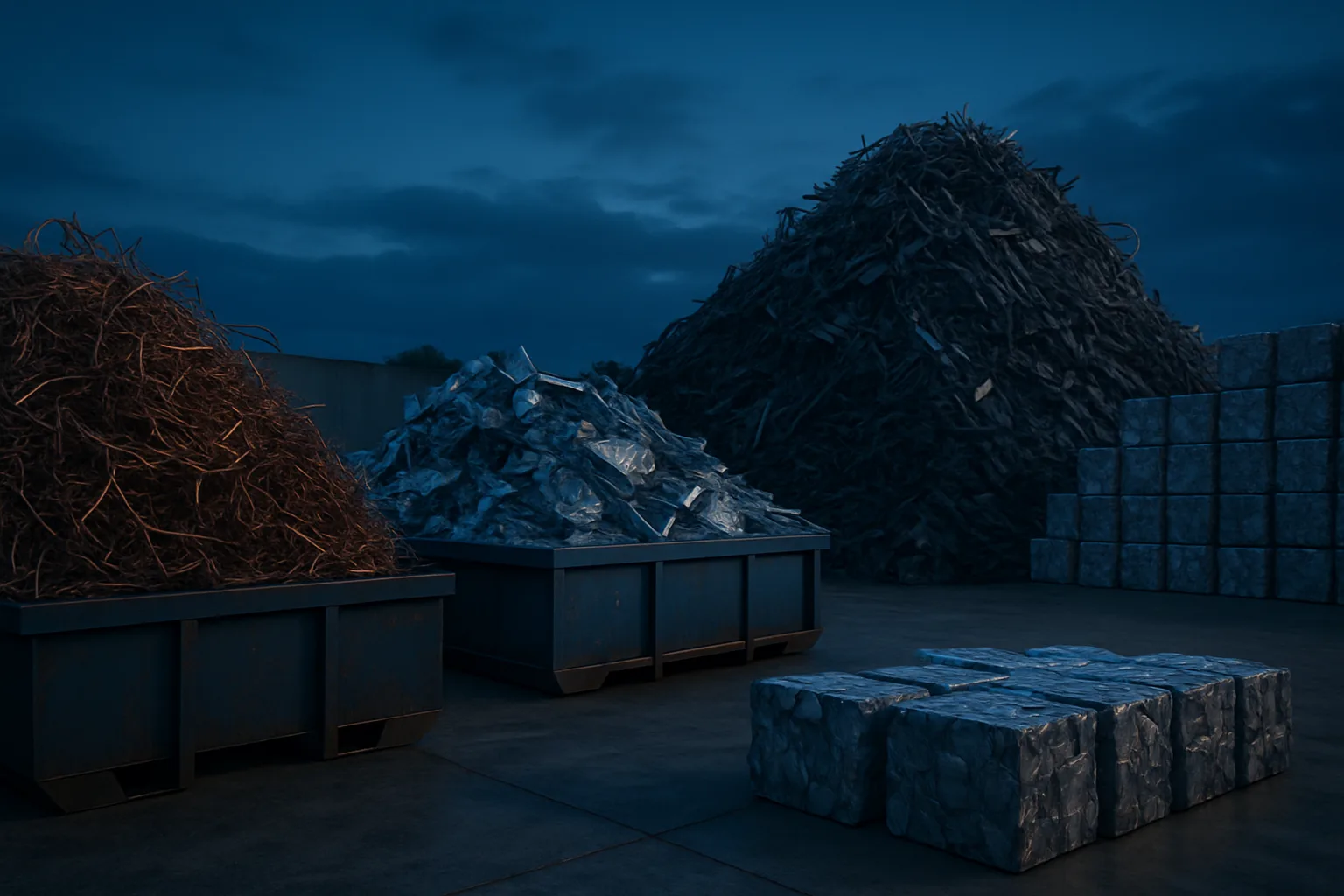
Charlotte Is Building Fast — and Every Demo Site Is Leaving Money on the Ground
Charlotte's construction boom isn't slowing down. New mixed-use developments, highway expansions, and commercial demolitions are reshaping the skyline — and generating thousands of pounds of recoverable scrap metal every month. If you're running a job site, a demo crew, or a salvage operation in the region, understanding copper scrap prices Charlotte and how to capture full value from your material is the difference between leaving money behind and actually collecting it.
This isn't a niche topic. Construction and demolition (C&D) sites are one of the largest sources of scrap metal in North America. Copper wiring, aluminum framing, structural steel, cast iron pipe — it all has real value. The problem is most contractors treat it like jobsite waste instead of a commodity. That habit is expensive.
What C&D Sites Actually Generate — and Why It Matters for Scrap Metal Prices in Charlotte
A single commercial demolition can yield significant quantities of recoverable metals. The mix depends on the building type and age, but the categories are consistent. Understanding what you have — and how to separate it — directly impacts what you get paid.
Here's what typically comes off a C&D site:
- Copper: Electrical wiring, plumbing pipe, bus bars, and HVAC coils. Copper is consistently one of the highest-value non-ferrous metals you'll pull off a demo. Scrap metal prices in Charlotte for copper vary by grade — bare bright, #1, #2, and insulated wire all price differently, sometimes by several dollars per pound.
- Aluminum: Window frames, curtain wall systems, conduit, and structural extrusions. Aluminum scrap value fluctuates with LME pricing and local buyer demand, but it's a reliable earner on larger jobs.
- Steel and Iron: Rebar, I-beams, pipe, sheet metal, and cast iron. Ferrous material moves in volume. It's lower per-pound value than copper or aluminum, but the weight adds up fast on commercial demo projects.
- Stainless Steel: Kitchen equipment, industrial piping, medical or lab facility teardowns. Stainless commands a premium over standard steel — know your grade before you price it.
- Catalytic Converters: If your demo scope includes any vehicle equipment, generators, or machinery, recovered cats carry significant value. Work with a qualified catalytic converter buyer who can accurately assess PGM content.
In North Carolina, the volume of C&D activity in markets like Charlotte means there's consistent buyer demand for these materials. That demand creates price competition — which is exactly what you want working in your favor.
Copper Scrap Prices in Charlotte: What's Driving the Market Right Now
As of mid-2026, copper markets remain sensitive to global manufacturing output, U.S. infrastructure spending, and energy sector demand. The push toward electrification — EV infrastructure, grid upgrades, and commercial solar buildouts — keeps long-term copper demand elevated. That's good news for anyone sitting on a load of #1 bare copper pulled from a commercial building.
But here's what most contractors miss: copper scrap prices in Charlotte aren't fixed. They vary by buyer, by grade, and by how well you've prepared your material. A load of mixed insulated wire will get discounted heavily compared to stripped #1 copper. A load of copper mixed with aluminum or plastic is worth less than a clean, sorted load. The spread between a disorganized mixed load and well-sorted, documented inventory can be meaningful — sometimes significant per pound across hundreds of pounds of material.
The practical takeaway: sort on-site when you can. Separate your copper grades. Pull insulation if the math makes sense. And don't call one buyer and accept the first number you hear.
Disclaimer: Scrap metal prices fluctuate daily based on commodity markets and local buyer conditions. Always verify current rates before committing to a sale.
Scrap Metal Inventory Management: The Step Most C&D Operators Skip
Here's where significant money gets left on the table. Most demolition crews load metal into a bin, haul it to a yard, and accept whatever number gets written on a ticket. No documentation. No weight estimates. No comparison shopping. That approach worked when there was one yard in town and no visibility into pricing. It doesn't work anymore.
Solid scrap metal inventory management starts on-site — before the material moves. That means:
- Categorizing by metal type as you strip and salvage. Don't co-mingle copper with aluminum. Don't throw stainless in with regular steel. Every time materials mix, you lose money on the downgrade.
- Estimating weight by category. You don't need a certified scale on-site. Rough estimates by material type help you understand what you're working with before you negotiate.
- Photo documentation. Pictures of your load — especially for high-value non-ferrous like copper or aluminum extrusions — give remote buyers enough confidence to bid competitively. No documentation means buyers assume the worst and price accordingly.
- Tracking serial numbers or unit IDs for any industrial equipment, HVAC cores, or specialized components. This matters for compliance and for accurate valuation.
- Keeping BOLs (bills of lading) and packing lists organized when materials ship. This is especially important for larger loads moving to processors outside your local market.
Platforms like compare scrap metal bids from verified buyers to help you get competitive offers — but the quality of what you present determines how strong those bids come in. Good documentation is the foundation of good pricing.
SMASH specifically supports photo documentation, serial tracking, and structured inventory listings — built for exactly this kind of job-site-to-buyer workflow. When buyers can see what they're bidding on, competition increases. More competition means better price discovery for the seller.
How to Sell Scrap Metal for Cash From a C&D Project in Charlotte
If you want to sell scrap metal for cash efficiently from a construction or demolition project, the process matters as much as the price. Here's a practical sequence that works for C&D operators in Charlotte and across North Carolina.
Step 1 — Strip and sort during demolition, not after. Retrofitting a sorting process after everything's in a bin costs time and money. Build it into your crew workflow from day one of demo.
Step 2 — Document before you haul. Photos, estimated weights by category, and any relevant specs (copper gauge, aluminum alloy if known, stainless grade). This takes minutes and can meaningfully affect what you're offered.
Step 3 — Get multiple offers. One call to one yard is not a pricing strategy. Use a competitive platform or call at least three buyers before committing. Scrap metal prices in Charlotte vary between buyers — sometimes more than you'd expect on the same day for the same material.
Step 4 — Confirm payment terms before you drop the load. Cash, check, ACH — know what you're getting and when. For larger loads, confirm the yard's process for settlement and whether weights are final at their scale.
Step 5 — Keep records. For ongoing projects, tracking your scrap revenue per job gives you data to negotiate better on the next one. It also matters for tax purposes and project closeout documentation.
If you're running multiple C&D jobs simultaneously, sell your scrap metal at top prices on Sell Scrap Metal and simplify the process with a platform built to handle volume and variety. The old model — one buyer, one call, guess your price — costs you money every single time.
Why Competitive Auctions Beat the Single-Buyer Model for C&D Scrap
The traditional scrap model assumes the yard has all the leverage. You show up, they weigh it, they name a price. You take it or leave it — but leaving it means loading everything back up and driving somewhere else. That friction keeps most sellers from ever shopping around.
Auction-based platforms break that dynamic entirely. When multiple vetted buyers compete for your load, you don't have to do the legwork of calling six yards and comparing quotes manually. The competition happens on the platform — you get the result.
SMASH runs exactly this model. Vetted buyers, transparent bidding, no subscription fees. The platform only works when the seller wins a competitive sale. That alignment matters. You can explore scrap metal selling guides to understand how to prepare your C&D material for auction and what buyers are actually looking for in a documented load.
For Charlotte contractors and demolition operators, this means access to buyers beyond your local market — buyers who want your copper, your aluminum, your steel, and will pay for it competitively because they're competing for the business.
When you're ready to move a load, get a fair price for your scrap today and stop accepting the first number someone offers you. If you're specifically looking for Charlotte scrap metal services, local options are available with the ability to connect you to competitive buyers in your area.
The construction and demolition sector in Charlotte generates real volume. Real volume deserves real competition. Don't let a single-buyer relationship determine what a truckload of #1 copper is worth.
Frequently Asked Questions
Q: What are current copper scrap prices in Charlotte, NC?
Copper scrap prices in Charlotte fluctuate daily based on LME (London Metal Exchange) pricing and local buyer demand. Grades like bare bright copper, #1 copper, #2 copper, and insulated wire all price at different rates. Always check current rates with multiple buyers before selling — prices can vary significantly between yards on the same day. Use a competitive platform to surface the best available offer without calling every yard yourself.
Q: What types of scrap metal do construction sites generate most?
Commercial and residential C&D sites typically generate copper wiring and plumbing, aluminum framing and conduit, structural steel and rebar, cast iron pipe, and stainless steel from specialty applications. The mix depends heavily on building age and type. Pre-1980s buildings often yield more copper per square foot than newer construction.
Q: How do I get the best price when I sell scrap metal from a demo job?
Sort your material by type and grade before hauling. Document with photos and estimated weights. Get offers from multiple buyers rather than defaulting to one yard. Platforms like SMASH connect you with vetted buyers competing for your load — more competition means better price discovery. The better your documentation, the more confident buyers bid.
Q: Do I need a license to sell scrap metal from construction sites in North Carolina?
North Carolina has regulations around scrap metal transactions, particularly for certain metals like copper. Requirements can include identification, documentation of where material originated, and waiting periods on payment for specific metals. If you're operating commercially, verify current state and local requirements before selling. Regulations can change — check with your local authorities for the most up-to-date rules.
Q: Is it worth stripping copper wire before selling?
In many cases, yes — but the math depends on current price spreads between insulated wire and bare copper, your labor cost, and the volume you're working with. When the spread between stripped and unstripped copper is large and you have significant volume, stripping makes financial sense. For small quantities or thin spreads, it may not be worth the time. Check current grade differentials before deciding.
Charlotte's construction market isn't pausing. Every week, demolition crews across North Carolina are pulling valuable metal off job sites — and the contractors who treat that material as a revenue stream, not jobsite waste, come out ahead. If you're ready to stop guessing at prices and start getting real competition for your loads, sell your scrap metal at top prices — request a pickup at sell-scrapmetal.com.
Follow SMASH on LinkedIn for ongoing scrap metal market updates, price movement insights, and practical guides for C&D operators and recycling yards across North America.