Construction Sites Are Sitting on Thousands of Dollars in Scrap Metal — Are You Leaving It Behind?
Every demolition crew and construction foreman in Raleigh knows the feeling: a job site full of stripped wire, pulled conduit, old beams, and busted HVAC units — and no clear plan for what to do with it. Most of that material gets dumpster-loaded and hauled off. Some of it ends up in a pile behind the yard. Almost none of it gets properly sold. That's money left on the ground.
Construction and demolition (C&D) sites are among the most consistent sources of recoverable scrap metal in North America. If you're a contractor, site manager, or recycling yard working with construction clients in the Raleigh area, understanding what's on those sites — and how to move it at the best price — is worth your time. This week's market recap digs into exactly that.
What Metals Are Actually Coming Off C&D Sites?
Not all construction scrap is equal. The metals vary widely by project type — a commercial office teardown produces a very different mix than a residential renovation or an industrial plant decommission. Knowing what you have before you call a buyer is the first step to getting paid fairly for it.
Here's what shows up most consistently on C&D sites:
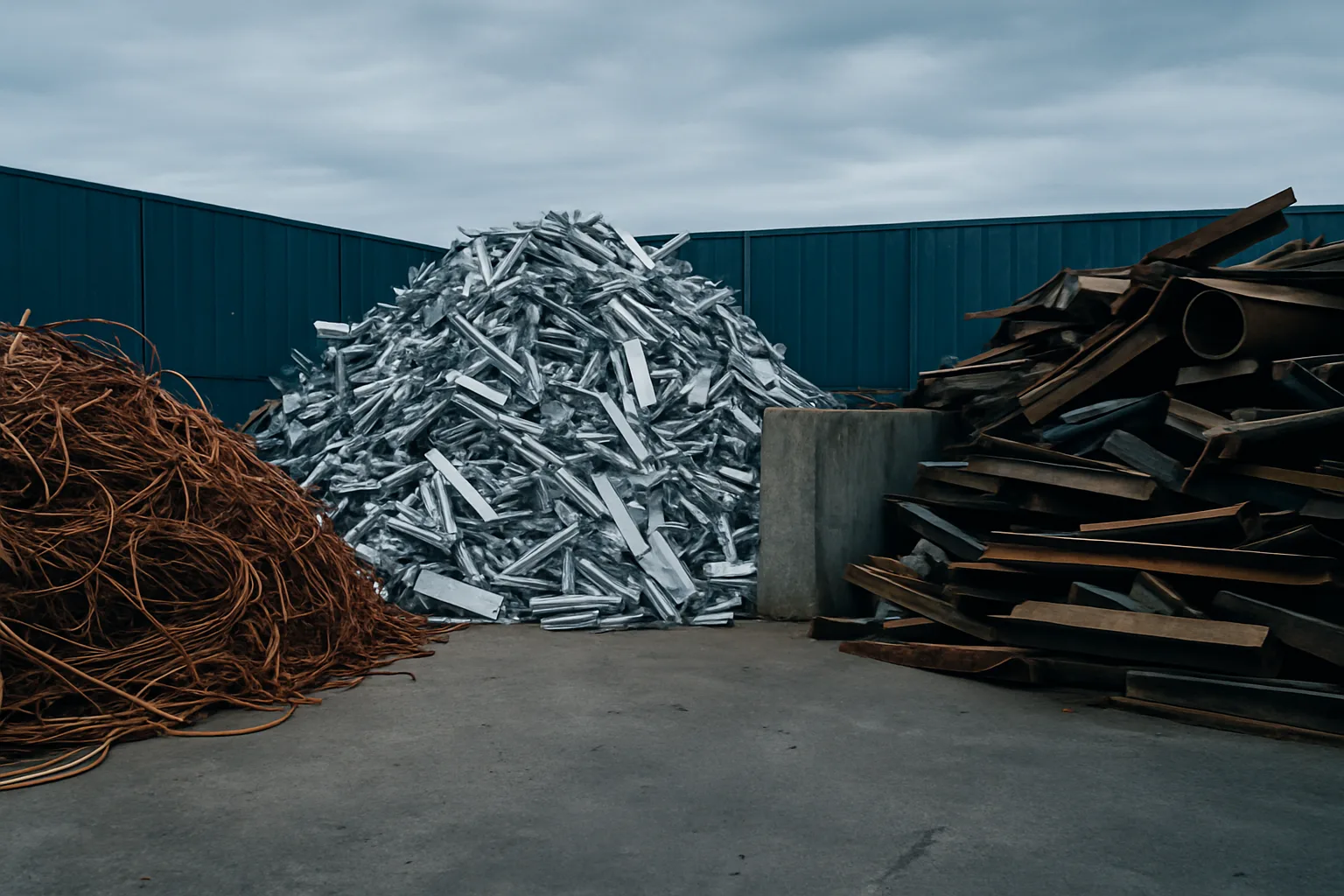
- Scrap copper — electrical wire, plumbing pipe, bus bars, and transformer windings. Copper is the most valuable non-ferrous metal you'll find on site and can vary significantly in grade (bare bright, #1, #2, insulated wire).
- Scrap aluminum — window frames, curtain wall, roofing, HVAC ductwork, conduit, and wiring. Aluminum is lighter but moves in volume on large commercial demolitions.
- Scrap steel — structural beams, rebar, pipe, sheet metal, and miscellaneous iron. Steel is lower value per pound but often available in large quantities that add up fast.
- Stainless steel — commercial kitchens, food processing plants, and hospitals produce stainless sinks, counters, and equipment frames.
- Cast iron — older buildings frequently have cast iron radiators, pipes, and floor drains.
- HVAC equipment — rooftop units, chillers, and air handlers contain copper coils, aluminum fins, and steel housings — a mixed-metal load worth sorting before you sell.
The mix matters. A load of clean #1 copper wire sells at a very different price than a bale of insulated wire or a pile of light iron. Sorting on-site — even rough sorting — almost always improves what you get paid. Scrap metal prices today reward grade, and buyers bid harder when they know exactly what they're getting.
Why C&D Scrap Gets Undervalued — and How to Stop It
The old way of handling C&D scrap goes something like this: the GC calls one yard, gets one number over the phone, loads a truck, and takes whatever they're offered when the scale ticket comes back. Nobody negotiates. Nobody shops the load. The yard wins; the contractor loses.
That model persists because most contractors don't think of themselves as scrap sellers. They're focused on the project — timelines, permits, labor. Scrap is an afterthought. But on a large commercial demo, the metal alone can represent tens of thousands of dollars in recoverable value if you handle it right.
Three habits kill C&D scrap value before it's ever loaded:
- Commingling metals. Throwing copper, aluminum, and steel into the same bin forces buyers to downgrade everything to the lowest grade in the load. Keep metals separated from day one.
- Not documenting what you have. Buyers bid with more confidence — and bid higher — when they know the weight, grade, and condition of material. Photos, packing lists, and load documentation are not paperwork overhead; they're sales tools.
- Calling one buyer. A single phone call to a single yard gives you one data point. That's not a market price. That's one person's offer. Competition is how price discovery actually works.
Platforms like smashscrap.com exist precisely to solve problem three. Instead of one call, you get your load in front of vetted buyers who compete for it. More buyers means better price discovery — not a guaranteed higher number, but a real market price instead of a guess.
Raleigh's Construction Boom Makes This More Relevant Than Ever
If you're operating in Raleigh or anywhere across North Carolina, you already know the construction activity here is significant. The Triangle has seen sustained commercial, residential, and infrastructure development — which means demolition and renovation work is a constant. Old office buildings get repositioned. Industrial sites get cleared. Road and utility projects pull up miles of conduit and pipe.
That volume of activity translates directly to scrap metal supply. The question isn't whether C&D sites in this region are generating metal — they clearly are. The question is whether that metal is being sold well or just hauled off for whatever the first buyer offers.
If you're a contractor or recycling yard working C&D accounts in the Raleigh area, getting connected to the right buyer network changes the equation. Raleigh scrap metal services through platforms like SMASH are built for exactly this — moving documented loads to competitive buyers without the runaround. You can also sell your scrap metal at top prices on Sell Scrap Metal and skip the guesswork entirely.
How a Scrap Metal Auction Changes the Math on C&D Loads
A scrap metal auction format works differently than a private sale. Instead of negotiating with one buyer who has every incentive to offer you less, you document your load and let buyers compete. The price gets set by the market, not by whoever picked up the phone.
For C&D loads specifically, the auction format has real advantages:
- Mixed loads get properly valued. A vetted buyer network includes specialists who know exactly what a rooftop HVAC unit is worth stripped vs. whole, or what a load of #2 copper pipe trades at on today's market.
- Documentation pays off. When you've got photos, weights, and a proper inventory — the kind the SMASH scrap metal auction platform supports — buyers bid with more confidence. That confidence shows up in the number.
- No subscription fees. SMASH doesn't charge you to list. The platform wins when you win. That alignment matters.
- BOLs and auto-invoicing are built in. For contractors managing multiple site loads, having the paperwork handled automatically reduces admin overhead and keeps your books clean.
The sell scrap metal near me Raleigh search that contractors run when they have a load to move deserves a better answer than a list of local yards and a coin flip on who answers the phone. A competitive auction is that better answer. You can get a fair price for your scrap today without cold-calling a dozen yards and hoping for the best.
What to Do Before You Move Your First C&D Load
If you're new to selling construction scrap — or if you've been doing it the old way and want to do better — here's a practical checklist before your next load goes out the gate.
- Sort on-site. Copper separate from aluminum, aluminum separate from steel. Even rough sorting improves your outcome.
- Identify your grades. Bare bright copper, #1, #2, insulated wire — these distinctions matter. Ask someone who knows if you're not sure.
- Photograph everything. A load before it's tarped. The copper pile. The aluminum ductwork. Buyers who can see what they're buying bid better.
- Weigh what you can. Even an estimated weight range helps buyers put a number on the load.
- Document it properly. A packing list with metal types, estimated weights, and grades is a sales document, not paperwork.
- Get competing offers. Don't call one yard. Put your documented load in front of multiple vetted buyers and let the market set the price.
The difference between a contractor who treats scrap as an afterthought and one who manages it as a revenue stream is usually just process. None of this is complicated — it's just not how most sites operate yet. Explore scrap metal selling guides to build that process before your next job starts.
If you're ready to move a load and want real buyers competing for it, sell your scrap metal at top prices on Sell Scrap Metal and connect with the SMASH buyer network. No subscription fees. No guessing. Just a documented load in front of buyers who want it.
Disclaimer: Scrap metal prices fluctuate daily based on commodity markets, grade, and regional demand. Always check current rates before committing to a sale.
Frequently Asked Questions
Q: What types of scrap metal come off construction and demolition sites in Raleigh?
C&D sites in the Raleigh area typically generate copper wire and pipe, aluminum framing and ductwork, structural steel and rebar, cast iron, and mixed HVAC equipment. The exact mix depends on the project type — commercial demolitions tend to yield more non-ferrous metals, while residential jobs produce higher volumes of light iron and mixed steel.
Q: How do I find a scrap metal buyer near me in Raleigh for a large construction load?
Start by documenting your load — sort by metal type, photograph it, and estimate the weight. Then use a platform like SMASH to get your load in front of multiple vetted buyers who compete for it. A single call to one yard gives you one offer; a competitive process gives you a real market price.
Q: Does sorting scrap metal on a job site actually make a difference in price?
Yes — significantly. A commingled load forces buyers to price everything at the lowest grade in the mix to account for their sorting costs and risk. Even rough sorting of copper from aluminum from steel can meaningfully improve what you're paid per pound. It takes extra time on site, but it typically pays off.
Q: What is a scrap metal auction and how does it work for C&D loads?
A scrap metal auction puts your documented load in front of multiple vetted buyers who submit competing bids. Instead of negotiating with one buyer who controls the price, you let the market set it. Platforms like SMASH handle the buyer vetting, documentation, and invoicing — so you focus on the load, not the admin.
Q: Are scrap metal prices in North Carolina different from national averages?
Regional factors like transportation costs, local demand, and the presence of nearby processors can cause prices to vary from national commodity averages. That's why getting multiple competing offers from buyers who actually service North Carolina is more useful than relying on a national price index. Current market rates always matter — check them before you sell.
Follow SMASH on LinkedIn for weekly scrap metal market updates, industry insights, and practical advice for yards and sellers across North America.