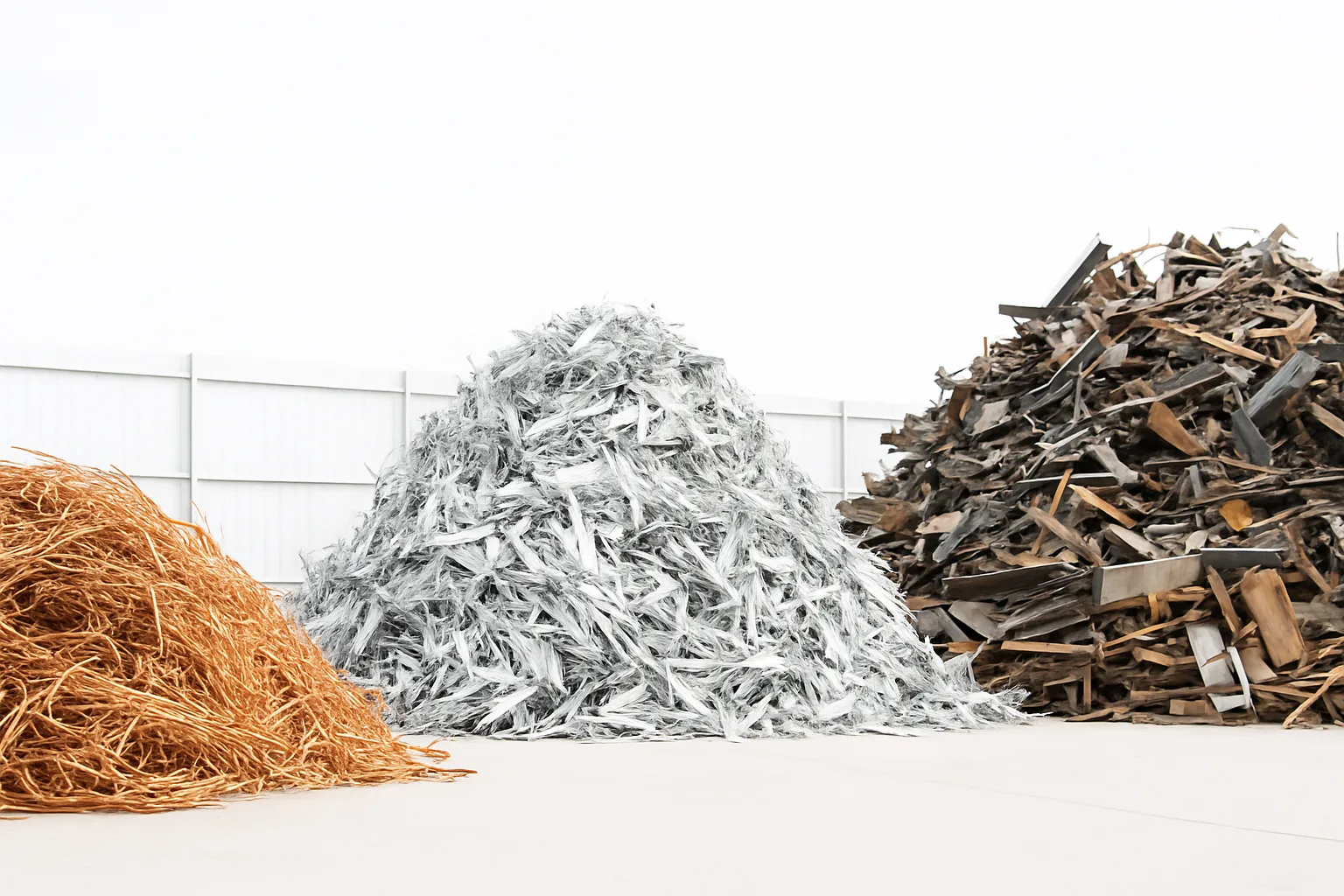
Most yards in New York will buy both steel and iron — but they won't pay you the same price for either. If you've ever wondered why your heavy melt fetched less than expected, or why a load of cast iron got flagged for a separate quote, the answer comes down to how these metals are processed, valued, and traded in the real market. Understanding the difference isn't just academic. It directly affects how much money you walk away with.
Whether you're clearing out a machine shop in the Bronx, scrapping old radiators in Queens, or moving a pile of mixed ferrous from a demolition job in upstate New York, knowing what you've got before you show up at the scale matters. Let's break it down.
Steel vs. Iron: Why the Price Gap Exists When You Sell Scrap Metal New York
Steel and cast iron are both ferrous metals — they'll stick to a magnet. But that's roughly where the similarity ends, at least from a pricing standpoint. Steel is an alloy of iron and carbon, typically with a carbon content under 2%. Cast iron sits above that threshold, often between 2% and 4% carbon, which makes it harder but also more brittle.
Why does that matter at the yard? Because steel — particularly structural steel, heavy melt, and plate — is more versatile for electric arc furnace (EAF) remelting. It commands stronger demand from steel mills. Cast iron, while recyclable, requires more processing and finds a narrower pool of buyers. That difference in demand is one of the core reasons you'll see a price gap between the two when you go to sell your scrap metal at top prices on Sell Scrap Metal.
- Heavy melt steel (#1 HMS): Clean structural steel, plate, and beams — generally the higher-priced ferrous category
- Heavy melt steel (#2 HMS): Mixed steel with some light gauge — priced slightly lower than #1
- Cast iron: Radiators, engine blocks, bathtubs, machine parts — typically priced at a discount to HMS
- Shredded steel: Auto bodies and light gauge — pricing varies by market conditions
The gap between HMS and cast iron isn't fixed. It moves with the market, with export demand, and with what mills are currently buying. On a good week, the spread might be tight. On a slow week, cast iron can lag significantly. That volatility is exactly why tracking scrap metal prices today matters before you load a truck.
Real Differences You'll See at the Scale
Here's where it gets practical. You show up with a mixed load — some old radiators, a few structural beams from a renovation, and a couple of engine blocks. Most yards will sort these into separate categories and pay you different rates per ton. If you don't know what's in your load, you're negotiating blind.
Cast iron is heavy. A standard cast iron radiator can weigh 50 to 100 pounds per section. Engine blocks run heavier — a V8 block can push 200 pounds on its own. That weight adds up fast, which can make cast iron feel like a win volume-wise. But if the yard is paying 20 to 40 dollars less per ton for cast iron versus clean steel, a large load means a significant difference in your payout.
Some things to know before you haul a ferrous load in New York:
- Separate your grades before you arrive. Mixed loads often get downgraded to the lowest-value material in the pile.
- Remove attachments where possible. Radiators with valves still attached, or engine blocks full of coolant, may be penalized or refused.
- Know the difference visually. Steel tends to have rolled or welded edges. Cast iron looks rougher, is often thicker-walled, and fractures rather than bending.
- Ask about current pricing before you show up. Ferrous prices can shift week to week, and a phone call or platform check saves you surprises at the window.
Platforms like get competitive bids for your scrap metal help take the guesswork out of this process by putting your load in front of multiple vetted buyers — not just one yard with a take-it-or-leave-it quote.
Where Non-Ferrous Fits Into Your Load Value
If you're scrapping steel or iron, there's a good chance you're also sitting on non-ferrous materials in the same pile — copper fittings, aluminum housings, catalytic converters from vehicles. And those materials move the needle on your total payout far more than the ferrous tonnage will.
Scrap copper typically trades at dramatically higher rates per pound than any ferrous grade. Aluminum follows the same pattern. If you're curious about aluminum scrap value today or want to track aluminum scrap price today, those numbers are posted daily on major pricing indexes — and they're worth checking separately from your ferrous grades because the market dynamics are completely different.
A few things worth knowing if your load is mixed ferrous and non-ferrous:
- Copper pipe or fittings attached to steel: Some yards will strip and pay separately. Others will blend it into a lower mixed rate. Ask upfront.
- Aluminum motor casings: Common on industrial equipment. These grade out separately and carry real value by pound.
- Catalytic converters: If you're scrapping vehicles or have loose cats, these are a separate transaction entirely — and the spread between a fair price and a lowball offer can be substantial.
Knowing your aluminum scrap value per pound before you walk into a yard keeps you from getting blended into a mixed-metal rate that undervalues your non-ferrous material. This is where documentation and competitive quoting make a real difference in your final number.
How a New York Scrapper Navigated a Mixed Load — and Got a Better Number
This is where the case study format actually earns its name. Consider a scenario that plays out regularly at New York scrap metal services: a contractor finishes a large commercial renovation in Brooklyn. The job produces a mix of structural steel, old cast iron radiators, copper pipe, and two stripped vehicle frames.
In the old way, you'd call one yard, describe your load loosely, get a number that covers everything at a blended rate, and haul it in. The yard benefits from the ambiguity. You lose money on the material that should have been graded higher.
The smarter play — and one that SMASH facilitates — is to inventory and document the load before it moves. Photograph the grades. Separate the ferrous from the non-ferrous. Identify the cast iron versus the structural steel. Then put that documented load in front of multiple buyers simultaneously.
What happens? Buyers compete on an actual description of what they're getting, not a vague "mixed ferrous load." Cast iron gets quoted as cast iron. HMS gets quoted as HMS. Copper gets its own line. The total payout reflects the actual composition of the load — not the discount a single buyer builds in for uncertainty. That's not a guarantee of a higher price. But it's a guarantee of better price discovery. More buyers, more clarity, more competition — that's the SMASH approach.
You can explore scrap metal selling guides to get deeper into grading and documentation strategies that help you prepare a load the right way before it goes to auction.
What Drives Steel and Iron Prices in 2026
The ferrous scrap market in 2026 is influenced by several converging factors. Domestic steel mill demand remains a primary driver — when mills are running hot and consuming heavy melt aggressively, HMS prices firm up. When mills slow production or run lean on orders, they cut buying prices fast and cast iron often takes the first discount.
Export markets — particularly to Turkey, India, and Southeast Asia — add another layer of volatility. A shift in shipping costs or overseas demand can move domestic scrap prices within days. If you're in New York with a large ferrous load, timing your sale to a firm market is worth thinking about, not just showing up on whatever day is convenient.
Beyond supply and demand, the push toward low-carbon steel production is creating new demand signals for high-quality scrap. Clean, well-graded heavy melt is increasingly valuable as a feedstock for greener EAF production. That structural trend supports long-term scrap demand even as traditional blast furnace steelmaking contracts. Understanding this context helps you appreciate why grade quality — not just volume — determines what you get paid.
Check scrap metal prices today through reliable industry sources before committing to a sale. Prices fluctuate daily based on market conditions — always verify current rates before finalizing any deal.
When you're ready to move your load, get a fair price for your scrap today by putting it in front of the right buyers instead of settling for a single offer.
Frequently Asked Questions
Q: What's the difference between steel scrap and cast iron scrap when selling in New York?
Steel and cast iron are both ferrous metals, but they trade at different rates because of their composition and demand profile. Steel — particularly heavy melt — is more versatile for mill remelting and typically commands higher prices. Cast iron has a higher carbon content, requires more processing, and generally trades at a discount to HMS grades. Separating your loads before arriving at a yard or listing them on a platform like SMASH helps you get accurate quotes for each grade.
Q: How often do scrap metal prices change in New York?
Ferrous and non-ferrous scrap prices can shift weekly or even daily depending on mill demand, export activity, and commodity market movements. In New York, local yard prices also reflect regional logistics and competition among buyers. Always check current rates before hauling a load — a difference of $10 to $20 per ton can add up significantly on a large ferrous haul.
Q: Is it worth separating steel and cast iron before I sell scrap metal in New York?
Yes — almost always. Yards that receive mixed loads often apply a blended rate that defaults to the lowest-value material in the pile. Separating your cast iron from clean structural steel means each grade gets priced on its own merits. The extra time spent sorting frequently results in a meaningfully higher total payout, especially on larger loads.
Q: What's the aluminum scrap value per pound in New York right now?
Aluminum scrap prices fluctuate based on LME aluminum pricing, alloy grade, and local market conditions. Rather than quoting a specific number here — which may already be outdated — we recommend checking a live pricing source or submitting your load through a platform like SMASH, where multiple vetted buyers quote based on current market conditions. Disclaimer: Prices change frequently. Always verify current rates before selling.
Q: Can I sell both ferrous and non-ferrous scrap in the same transaction?
Yes, most full-service scrap yards and platforms like SMASH handle mixed loads that include both ferrous (steel, iron) and non-ferrous (copper, aluminum, catalytic converters) material. The key is documentation — knowing what you have, how much of it, and what grade it falls into. Transparent inventory gives buyers more confidence and typically produces better quotes than a vague description of a mixed load.
If you're sitting on a pile of steel, cast iron, or mixed scrap in New York and you're tired of guessing what it's worth, the answer isn't another phone call to one yard. It's documentation, competition, and transparency. That's what SMASH is built for. Sell your scrap metal at top prices — request a pickup at sell-scrapmetal.com and stop leaving money on the table.
Stay current on scrap metal market trends and pricing insights by following SMASH on LinkedIn — it's where yard operators and buyers track what's actually moving the market.