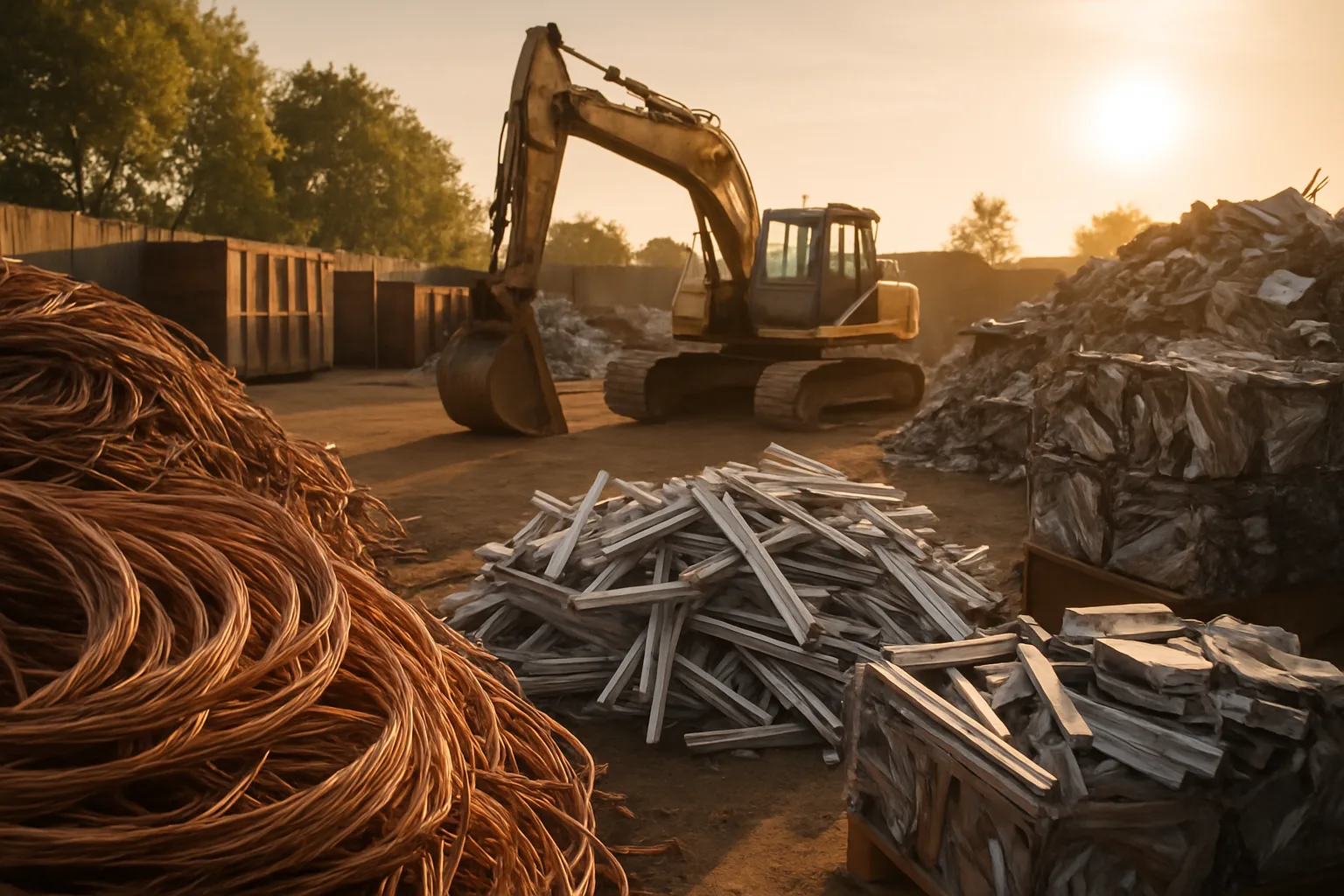
Construction and demolition sites are some of the most overlooked sources of high-value scrap metal in the country — and most operators are leaving serious money on the table. A single commercial demolition project can yield tens of thousands of pounds of recoverable metal, from structural steel and copper wiring to aluminum framing and cast iron pipe. If you're managing a job site in Milwaukee or anywhere across Wisconsin, what you haul to the dumpster could be worth far more at the right buyer.
This isn't a niche opportunity. The construction and demolition (C&D) sector generates a significant share of the recoverable scrap metal that flows through recycling yards every year. Knowing what you have, how to sort it, and where to sell it — those three things determine whether your crew walks away with extra revenue or leaves it in a landfill.
What Types of Scrap Metal Come Off a Construction or Demolition Site?
Not all job site metal is created equal. The value depends on the material, the grade, and how cleanly it's been separated. Mixing contaminated loads or bundling dissimilar metals together drops your payout fast.
Here's what typically comes off a C&D site:
- Structural steel: Beams, columns, angle iron, rebar — heavy ferrous material that moves in large volumes. Lower per-pound value but significant weight adds up quickly.
- Scrap copper: Electrical wiring, plumbing pipe, copper bus bar. This is often the most valuable material on a demolition site by weight. Bare bright copper commands the highest price; insulated wire grades out lower depending on copper content.
- Scrap aluminum: Window frames, curtain wall systems, HVAC components, aluminum conduit. Lighter than steel but worth considerably more per pound.
- Cast iron and black iron pipe: Old plumbing from residential gut-outs or commercial demo — heavy, consistent, and recyclable.
- Stainless steel: Kitchen equipment, commercial fixtures, pharmaceutical or food-grade installations. Stainless carries a premium over standard steel.
- HVAC equipment: Old condensers, air handlers, and compressors contain a mix of copper, aluminum, and steel — buyers value these based on the metal breakdown.
- Electrical panels and motors: These have recoverable copper windings and contacts. Strip or sell as-is — the buyer will grade accordingly.
On a typical residential tear-down in Milwaukee, you might pull 500–1,500 lbs of mixed ferrous, a few hundred pounds of copper pipe and wire, and a few hundred pounds of aluminum from windows and siding. A commercial job scales that up dramatically. Knowing your approximate tonnage before you call a buyer puts you in a stronger negotiating position.
Why Most C&D Operators Are Selling Scrap Metal the Wrong Way
The old way: call one buyer, take whatever price they quote, haul it over. No comparison, no competition, no real market knowledge. You're essentially negotiating against yourself.
The problem isn't the buyers — it's the process. A single phone call to one yard gives you one data point. That buyer knows their competition isn't in the room. They price accordingly. And if you don't know what copper or aluminum is actually moving for that week, you have no leverage.
A competitive auction format changes that dynamic entirely. When you get competitive bids for your scrap metal, multiple vetted buyers see your load at the same time. They bid against each other. Price discovery happens in real time. That's not hype — that's basic market mechanics working in your favor.
Platforms like SMASH are built specifically for this. SMASH is a scrap metal auction platform that connects sellers with vetted buyers across North America. For a Milwaukee demolition contractor with a consistent flow of ferrous, copper, and aluminum, that kind of access matters. More buyers seeing your material means better price discovery — and that's a measurable difference when you're moving volume.
How to Prep Your Scrap Load to Get the Best Price
Preparation isn't just about being organized — it directly affects your payout. Buyers grade loads based on contamination, mixed materials, and documentation. Cleaner loads get better offers. Period.
Follow these steps before you sell:
- Sort by metal type on-site. Don't let your crew throw copper, steel, and aluminum into the same bin. Set up labeled containers at the job site. The sorting cost is minimal; the payoff is real.
- Strip what you can. Insulated copper wire grades differently than bare copper. If stripping makes economic sense for the volume you have, do it. If not, disclose the insulation type to buyers upfront.
- Remove non-metal contamination. Concrete attached to rebar, plastic fittings on copper pipe, rubber gaskets — these add weight without value and signal a sloppy load to buyers.
- Document with photos. Take clear pictures of each material category. SMASH's platform supports photo documentation, which gives buyers more confidence and reduces disputes at delivery.
- Estimate your weights. You don't need a certified scale on-site, but a reasonable estimate by category helps buyers assess the load. Don't pad numbers — it damages your reputation with repeat buyers.
- Have your paperwork ready. For larger loads, you may need a bill of lading (BOL) and a packing list. Know where the material came from, especially for copper — regulations in Wisconsin and elsewhere require documentation for significant volumes of copper and wire to prevent theft-related sales.
The extra 30 minutes of on-site organization can meaningfully shift your offer. Buyers compete harder on clean, well-documented loads. That's the difference between a guess and a market price.
Scrap Metal Regulations and Documentation on Wisconsin Job Sites
This matters more than most C&D operators realize. Wisconsin has scrap metal dealer regulations that require buyers to record seller information and, in many cases, hold purchases for a period before processing — particularly for copper, aluminum, and other non-ferrous metals. These rules exist to curb theft, and they affect how buyers operate and what documentation they need from you.
As a legitimate seller, this works in your favor. Having your business documentation, project permits, and a clear chain of custody for your materials makes you a preferred seller. Fly-by-night or undocumented loads raise red flags for reputable buyers and can slow your transaction — or kill it entirely.
Milwaukee specifically has seen increased enforcement around scrap documentation in recent years. Know the rules, document your loads, and you'll move metal faster with better buyers. Milwaukee scrap metal services are built to handle exactly this — connecting local sellers with buyers who operate within regulatory requirements and pay competitive market rates.
If you're working across state lines or on federally funded projects, additional documentation requirements may apply. Check with your compliance team and confirm with buyers before the transaction, not after.
Using Scrap Metal Auctions to Maximize Revenue From C&D Projects
If your job sites generate metal on a recurring basis — whether you're a general contractor, a demo specialist, or a property management company — you should be thinking about scrap as a revenue stream, not just a disposal problem.
SMASH makes this systematic. Instead of calling a different yard every time and rebuilding trust from scratch, you list your loads through SMASH's auction platform and let vetted buyers compete. Your inventory gets documented with photos, weights, and material descriptions. Auto-invoicing handles the paperwork. And because SMASH doesn't charge subscription fees, you're only sharing in the upside when a sale completes. No risk, no monthly bill.
For C&D operators in Milwaukee who move regular volume, this model creates consistency. You know your loads are going to market, not sitting in a yard's queue while they shop your price to competitors. And when scrap copper prices move — which they do — you're positioned to capture that movement instead of finding out about it after the fact.
When you're ready to sell your scrap metal at top prices on Sell Scrap Metal, having an auction-backed process means you're not guessing. You're letting the market speak. That's a fundamentally better position than cold-calling one buyer and hoping for the best.
Turning Job Site Scrap Into a Consistent Revenue Line
The contractors who do this well treat scrap like a subcontract — it gets managed, tracked, and optimized. They assign someone on the crew to oversee material sorting. They know their approximate tonnage per project type. They have a buyer relationship (or auction platform) ready before demolition starts, not after the debris pile is already mixed.
The math is straightforward. If your Wisconsin demo projects average 2,000 lbs of mixed metals per job — and you're running 15–20 jobs a year — the difference between a single low-ball buyer and a competitive auction process compounds into real money over 12 months. That's worth a process. That's worth a platform.
You can explore scrap metal selling guides to get deeper into pricing strategy, material grading, and how to negotiate with buyers. The more you know about what you're selling, the better you'll do at every transaction.
If you're sitting on a load right now — or you've got a demo project wrapping up in Milwaukee — don't wait. Get a fair price for your scrap today and find out what your material is actually worth on the open market. Sell your scrap metal at top prices by requesting a pickup at sell-scrapmetal.com.
Frequently Asked Questions
Q: How do I sell scrap metal near me in Milwaukee from a construction site?
Start by sorting your material by type — copper, aluminum, steel — before contacting buyers. In Milwaukee, you can work with local yards or use a platform like SMASH to get competitive bids from multiple vetted buyers. Having photos and estimated weights ready speeds up the process significantly.
Q: What is the most valuable scrap metal from a demolition project?
Scrap copper typically commands the highest per-pound price — bare bright copper and clean copper pipe are particularly valuable. Scrap aluminum comes next, followed by stainless steel, then standard ferrous material like rebar and structural steel. Sorting by metal type before selling is the single biggest factor in maximizing your return.
Q: Do I need documentation to sell scrap metal in Wisconsin?
Yes. Wisconsin scrap metal dealers are required to record seller information for non-ferrous metals like copper and aluminum. For larger loads, you'll typically need a valid ID, business documentation, and a bill of lading or packing list. Clean documentation also helps you work with higher-quality buyers who pay competitive prices.
Q: What is a scrap metal auction and how does it work?
A scrap metal auction connects sellers with multiple buyers who compete on price for your material. Instead of calling one buyer and accepting their quote, your load is listed on a platform like SMASH, where vetted buyers submit bids. Competition between buyers can reveal better market pricing than a single negotiation.
Q: How much scrap metal does a typical demolition project generate?
It varies widely by project type. A residential tear-down might yield 500–2,000 lbs of recoverable metal. A commercial demolition can generate tens of thousands of pounds. Knowing your approximate tonnage by material type before you go to market helps you attract serious buyers and negotiate from a position of knowledge.
Stay current on scrap metal market trends and industry updates — follow SMASH on LinkedIn for regular insights on pricing, regulations, and the scrap metal market across North America.
Disclaimer: Scrap metal prices fluctuate based on market conditions, material grade, and regional demand. Always check current rates before finalizing any transaction.