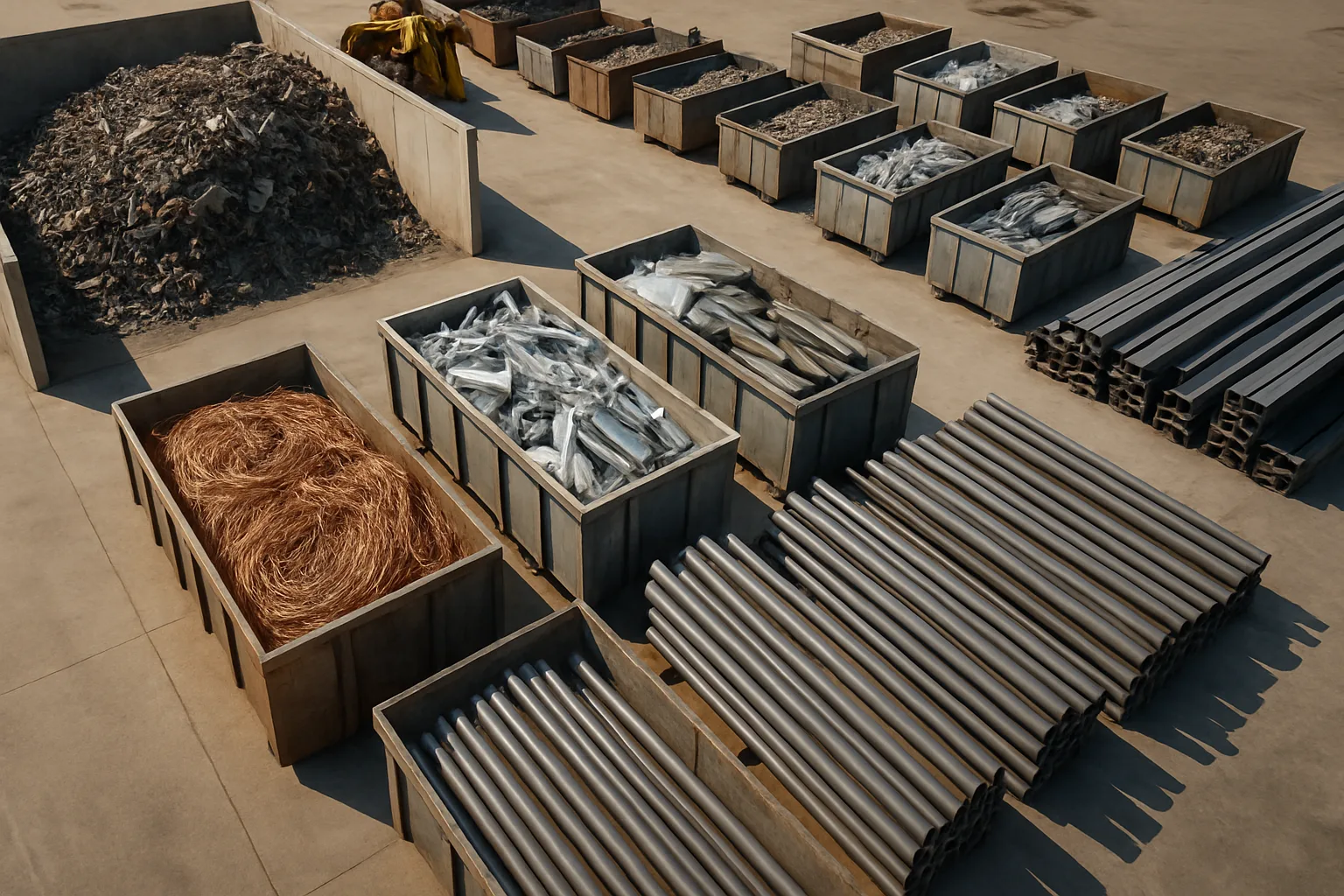
Most scrap yards will buy your metal without asking a single question about where it came from or what happens to it next. But the rules around scrap metal recycling — especially in California — are getting stricter, and knowing them protects you legally and financially. Whether you're sitting on a pile of scrap copper, a stack of catalytic converters, or a load of mixed steel, understanding the environmental side of this business isn't optional anymore. It's how you stay in business.
If you're trying to get accurate scrap metal prices Fresno sellers can actually rely on, you also need to understand what compliance looks like — because non-compliant material moves slower, attracts scrutiny, and sometimes doesn't move at all.
Why Environmental Regulations Hit Harder in California
California doesn't mess around. The state has some of the tightest environmental standards in North America, and the scrap metal recycling sector operates squarely in their crosshairs. The California Department of Resources Recycling and Recovery (CalRecycle) sets the framework, but local air quality management districts, the State Water Resources Control Board, and county-level regulators all layer on top of that. If you run a yard in Fresno, you're dealing with San Joaquin Valley Air Pollution Control District rules on top of state mandates.
This matters to sellers, not just yard operators. If your material is contaminated — oil-soaked radiators, freon-filled refrigeration units, mercury-containing switches in old vehicles — you may be required to handle it differently before it gets weighed and bought. California's hazardous waste statutes apply to anyone generating, transporting, or handling designated materials. Ignorance isn't a legal defense.
Key regulations that affect scrap metal recyclers and sellers in California include:
- AB 1125 and electronic waste rules: Many materials containing circuit boards or batteries must be handled through certified e-waste channels.
- Vehicle dismantling laws: Selling a crushed or stripped vehicle requires proper title documentation and fluid drainage certification in most cases.
- Prop 65 compliance: Lead, cadmium, and other heavy metals in recycled materials trigger disclosure requirements.
- Storm water permits: Yards storing scrap outdoors need NPDES permits to prevent metal leachate from entering waterways.
If you're selling scrap metal regularly in Fresno or anywhere else in California, you want to deal with buyers and platforms that understand this compliance landscape. Cutting corners on environmental handling can turn a profitable load into a liability.
What Scrap Metal Recycling California Sellers Must Know About Hazardous Materials
Not all scrap is created equal. Some of the most valuable materials — catalytic converters, copper wire from industrial equipment, aluminum from HVAC units — also carry environmental handling requirements that can trip up sellers who don't know the rules. Scrap metal recycling California regulations specifically call out several categories that require special treatment before they can legally enter the recycling stream.
Catalytic converters are one of the most complex examples. They contain platinum group metals (PGMs) — platinum, palladium, and rhodium — which makes them extremely valuable. But they also sit downstream from exhaust systems and can be caked with particulate matter that counts as hazardous residue. Selling converters through a legitimate catalytic converter auction platform rather than a cash-under-the-table deal isn't just smarter for price — it creates a documented chain of custody that protects you legally.
Other materials that commonly raise compliance flags:
- Refrigerators and air conditioning units: Must have refrigerant (freon) recovered by a certified technician before scrapping. This is federal law under the Clean Air Act Section 608.
- Ballasts and transformers: Older units may contain PCBs (polychlorinated biphenyls), which are regulated as hazardous waste.
- Oil filters and automotive fluids: Must be drained and managed as used oil — not tossed in with ferrous scrap.
- Mercury switches: Found in older vehicles and appliances. California mandates separate collection through specific programs.
When you sell your scrap metal at top prices on Sell Scrap Metal, working with vetted buyers who understand these requirements means you don't accidentally accept liability for someone else's mishandling. Documentation matters here as much as the price per pound.
How to Recycle Scrap Metal the Right Way — A Practical Guide
Knowing how to recycle scrap metal properly isn't complicated, but it does require a few deliberate steps that a lot of casual sellers skip. Whether you're clearing out a shop in Fresno or liquidating equipment from a construction project, the process is the same: sort, document, and sell to the right buyer.
Step 1: Sort by metal type. Mixing copper with aluminum or steel with stainless costs you money. Yards pay more for sorted, clean loads because they save processing time and guesswork. Learn to identify ferrous metals (magnetic) vs. non-ferrous (copper, aluminum, brass, stainless). Non-ferrous consistently pays more per pound.
Step 2: Remove hazardous components before transport. Oil, refrigerant, batteries, and mercury-containing parts need to be handled before you load up your truck. In California, transporting unmanaged hazardous materials can expose you to significant fines — the kind that wipe out whatever you made on the scrap.
Step 3: Photograph your load. A timestamped photo record of what you're selling protects you if questions arise later. Platforms that handle copper scrap price today data properly — with photo documentation, serial tracking, and proper packing lists — give buyers the confidence to bid competitively. That competitive bidding is what moves prices up, not optimism.
Step 4: Get multiple offers before you commit. Walking into one yard and accepting the first number you're given is the old way. The market is wider than your nearest buyer. Platforms like SMASH run vetted buyers against your load in a competitive auction format, so you're not guessing what your material is actually worth.
Step 5: Insist on documentation. A receipt, a bill of lading, or an auto-generated invoice isn't just good recordkeeping — it's your proof of legal transfer of material. In California, this documentation is sometimes legally required, particularly for catalytic converters and vehicle parts.
Scrap Metal Prices in Fresno — What Drives the Local Market
Getting a fair read on scrap metal prices Fresno sellers face requires understanding what's actually driving local price variation. The San Joaquin Valley sits in a unique position — it's close enough to major ports (Los Angeles, Long Beach, Oakland) that export demand influences local pricing, but it's also a heavy agricultural and industrial region that generates consistent scrap supply. That supply-demand balance shifts.
Right now in 2026, a few market factors are pushing and pulling on California scrap prices:
- Copper demand: Electrification of the grid and EV infrastructure buildout continues to drive strong demand for scrap copper. The copper scrap price today reflects global trends — watch LME spot prices as a baseline and expect local yards to trade at a discount to that.
- Aluminum cycles: Auto manufacturers and can recyclers drive aluminum scrap demand. When domestic production slows, so does the price they'll pay.
- Steel and ferrous: Rebar and structural steel scrap moves with construction activity. California's ongoing infrastructure projects create steady local demand.
- Catalytic converters: PGM prices are notoriously volatile. A rhodium price spike can double what your cat is worth; a correction can cut it in half. Selling through a legitimate catalytic converter auction process rather than to a single unknown buyer gives you the best price discovery on a highly variable commodity.
For sellers who want to stay current, explore scrap metal selling guides that break down current pricing context and help you understand what your load is worth before you walk up to a yard.
Disclaimer: Scrap metal prices fluctuate daily based on global commodity markets. Always check current rates before making selling decisions.
How SMASH Makes Compliant Scrap Selling Easier
The old way of selling scrap in Fresno — one phone call, one buyer, one number they give you — doesn't account for compliance, documentation, or competition. You accept what they offer and hope it's fair. There's no way to know.
SMASH is built differently. It runs your load through a vetted buyer network in an auction format, so multiple qualified buyers compete against each other. That competition is what reveals the actual market price — not what one buyer decides to tell you on a Tuesday morning. The platform handles photo documentation, inventory tracking, VIN lookup for vehicle parts, and auto-invoicing. For California sellers dealing with regulatory documentation requirements, that paper trail isn't a burden — it's built in.
If you're selling catalytic converters, scrap copper, aluminum loads, or mixed non-ferrous, you need buyers who understand what they're buying and can move it legally. SMASH screens its buyers, which means you're not dealing with unknown intermediaries who might mishandle regulated materials and leave you holding exposure. Find the best price for your scrap on SMASH and see what a competitive, transparent process actually looks like.
The environmental regulations aren't going away — in California, they're getting tighter. The sellers who build compliant habits now are the ones who stay in business and stay profitable when the next round of rules hits. If you're ready to do this right, get a fair price for your scrap today through a process that works with the rules, not around them.
Frequently Asked Questions
Q: What are the current scrap metal prices in Fresno?
Scrap metal prices in Fresno vary daily based on global commodity markets and local supply-demand conditions. Copper, aluminum, and catalytic converters tend to command the highest prices per pound for non-ferrous loads. Always check current rates through a buyer or auction platform before committing to a sale — prices can shift significantly week to week.
Q: Do I need special permits to sell scrap metal in California?
Individual sellers typically don't need permits to sell scrap, but you do need to comply with California's laws around certain materials — including catalytic converters, which require documentation of legal ownership, and refrigerants, which must be recovered before scrapping appliances or HVAC units. If you operate a yard or transport scrap commercially, additional licensing applies.
Q: Can I sell a catalytic converter without paperwork in Fresno?
California law requires sellers of catalytic converters to provide identification and documentation of how they acquired the part. Licensed recyclers are required to record this information. Attempting to sell converters without proper documentation exposes you to legal risk — and reputable buyers won't accept undocumented converters anyway.
Q: How do I get the best price for scrap copper in California?
Sort your copper by grade — bare bright, #1 copper, #2 copper, and insulated wire all pay different rates. Clean, sorted copper fetches noticeably more than mixed or contaminated loads. Using a competitive auction platform means multiple buyers see your load and bid against each other, which gives you better price discovery than a single yard's offer.
Q: What is the environmental impact of scrap metal recycling compared to mining?
Recycling scrap metal uses significantly less energy than extracting virgin ore — recycling aluminum, for example, can use up to 95% less energy than primary production. It also reduces landfill waste and the environmental footprint of mining operations. California's scrap recycling regulations are designed to ensure that the recycling process itself doesn't create new environmental problems through improper handling of hazardous components.
Ready to move your scrap the right way? Whether you're clearing a shop in Fresno or liquidating a full load of non-ferrous material, sell your scrap metal at top prices and request a pickup at sell-scrapmetal.com.
Stay current on scrap metal market trends and industry insights — follow SMASH on LinkedIn for regular updates that actually help you sell smarter.
```