Small-scale scrap collectors leave real money on the table every single week — not because the metal isn't valuable, but because they're selling it wrong. If you're hauling copper, aluminum, or steel out of Joliet and settling for whatever the yard offers without doing your homework, you're working harder than you need to for less than you deserve. Let's fix that.
Whether you're picking up catalytic converters, stripping wire, or sorting mixed loads from job sites, the fundamentals of maximizing your earnings are the same. Know what you have. Know what it's worth. Sell it to a buyer who's actually competing for it. This guide covers how to do exactly that — with practical tips built for collectors operating in Joliet, Illinois and the surrounding region.
Understand What's Actually Driving Copper Scrap Prices in Joliet
Copper is the metal most collectors are chasing — and for good reason. It consistently commands the highest price per pound of any common scrap metal. But copper scrap prices in Joliet don't exist in a vacuum. They track the global copper market, which moves based on manufacturing demand, energy transition investments, and supply chain shifts. In 2026, electrification demand continues to put upward pressure on copper prices across North America.
Local yard prices vary. Two yards on the same street in Joliet can offer meaningfully different prices for the same grade of copper on the same day. This isn't random — it reflects their buyer relationships, inventory needs, and overhead. What matters to you as a collector is that the difference is real and it's worth chasing. Calling three yards before you drive anywhere isn't extra work. It's the job.
Copper grades also matter more than most new collectors realize. Bare bright copper — clean, uncoated, unalloyed — gets the top price. #1 copper (clean pipe and wire with no fittings or insulation) comes in just below. #2 copper covers the rest: painted pipe, light-gauge wire, dirty scrap. Know which grade you have before you quote a price or accept one.
Sort Your Load Before You Pull Into the Yard
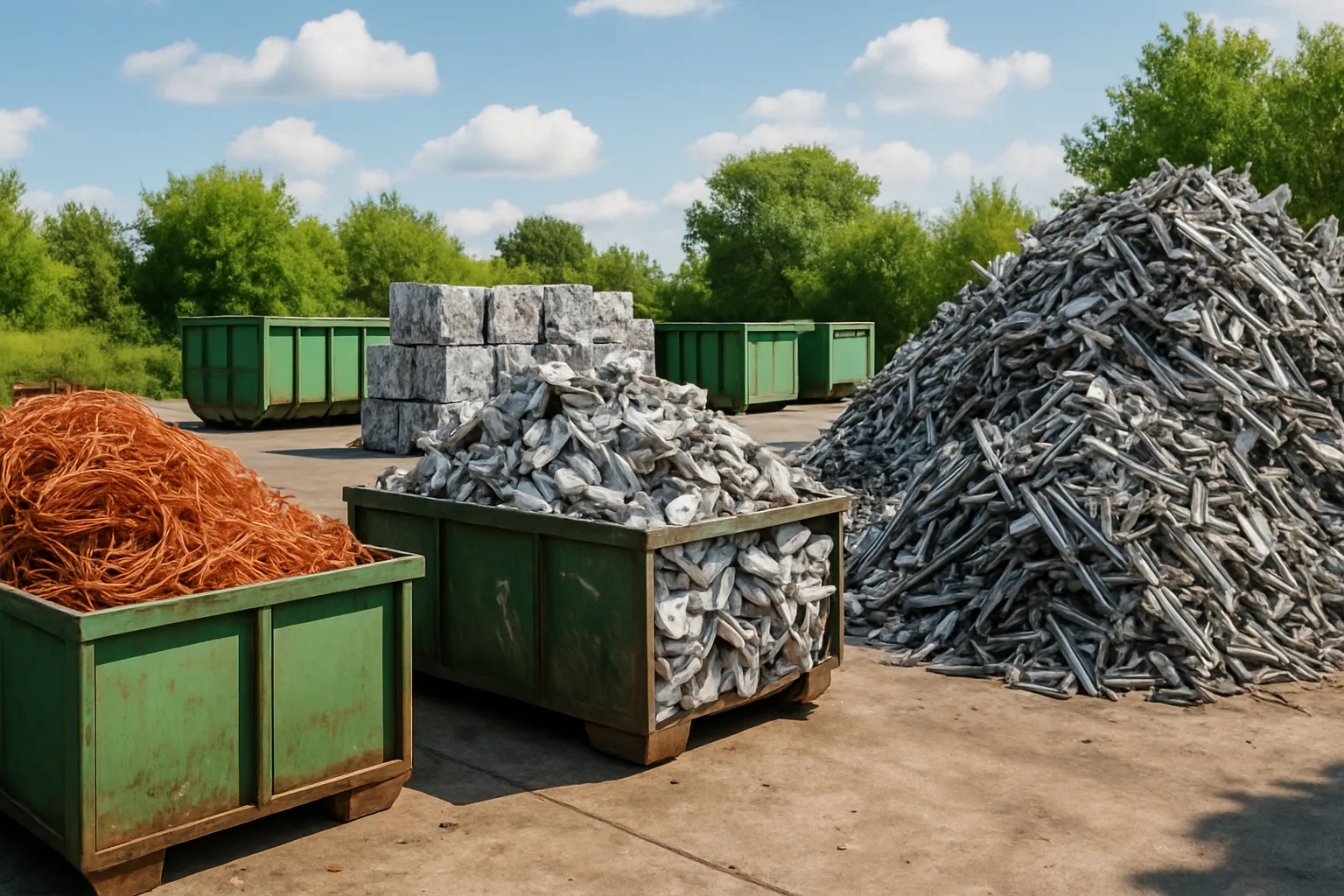
This is the single most impactful habit any small-scale collector can build: sort before you sell. Yards that receive unsorted loads often pay blended or low-grade prices across the whole haul. When you separate your copper from your aluminum, your steel from your stainless, and your insulated wire from your bare bright — you get paid for what you actually have.
For collectors working in Joliet, Illinois, where construction demolition, industrial surplus, and appliance scrap are common sources, this means setting up a basic sorting system in your truck bed or trailer before you ever leave the collection site. It doesn't need to be complicated:
- Bin 1: Bare bright and #1 copper
- Bin 2: #2 copper and copper wire with insulation
- Bin 3: Aluminum — separate sheet, cast, and extrusion if volume warrants it
- Bin 4: Steel and iron (ferrous)
- Bin 5: Catalytic converters — always separate, always documented
Sorted loads move faster through the yard, reduce the chance of disputes at the scale, and put you in a stronger position to negotiate. If a yard tries to downgrade your load, you can point to exactly what you're selling.
Scrap Metal Inventory Management: Track What You Collect
Most small collectors operate entirely from memory. They know roughly what they picked up, roughly what they sold, and roughly what they made. That's money left on the table — and it creates real problems if you ever need to document a load for legal or tax purposes.
Scrap metal inventory management doesn't require expensive software. A simple spreadsheet or even a notes app on your phone can track:
- Date and source of each collection
- Weight and grade of each metal type
- Selling price and which yard you sold to
- Any serial numbers or VINs attached to items (important for catalytic converters and cores)
- Photos of the load before drop-off
Why does this matter? Because when you have data, you can see patterns. Maybe one yard consistently beats the others on aluminum but undercuts on copper. Maybe you're collecting more #2 copper than you think and losing money by not stripping it before sale. Photo documentation also protects you — if a yard disputes the grade of a load you dropped, you have proof of what arrived.
Platforms like find the best price for your scrap on SMASH are built around exactly this kind of documentation. SMASH uses photo documentation, serial tracking, and structured inventory tools that give buyers more confidence — and more confidence from buyers typically means stronger bids on your material.
Stop Selling to One Buyer — Use Competition to Reveal the Market
Here's the old way: you load up the truck, drive to your regular yard, take whatever they offer, and go home. It's convenient. It's also how you leave consistent money behind.
Competition is how markets work. When multiple buyers are looking at the same load of scrap copper, you find out what it's actually worth — not what one buyer feels like paying that day. This is true whether you're selling a 200-pound load of bare bright or a pallet of catalytic converters.
If you're not already shopping your loads to multiple buyers, start with a simple rule: never accept the first offer on any load over 100 pounds. Make two or three calls. Get competing quotes. See what the spread looks like. You might be surprised how much variance exists between buyers in the same city on the same afternoon.
For larger or more consistent loads, an auction-format platform changes the dynamic entirely. SMASH puts your documented inventory in front of vetted buyers who are actually competing for the material. That's not theory — that's how price discovery is supposed to work. Sell your scrap metal at top prices on Sell Scrap Metal and see how a competitive process changes your outcomes.
Catalytic Converter Sales: Don't Wing It
If you're picking up cats in Joliet — from salvage vehicles, auto shops, or fleet operations — you already know they can be the highest-value items in any load. You also know the regulatory environment around catalytic converter sales has tightened significantly. Illinois has specific documentation requirements for catalytic converter transactions, and those requirements matter.
For every cat you sell, you need to be able to document:
- Where it came from (VIN of the source vehicle where possible)
- Your identity as the seller
- Date of transaction
Beyond compliance, documentation protects your price. Buyers pay more for converters they can verify. A cat with a confirmed VIN and photo documentation is worth more to a vetted buyer than an unverified unit. This is one area where sloppy record-keeping directly costs you money — not just legally, but on price.
VIN lookup tools and serial tracking built into platforms like SMASH exist precisely for this. They make the documentation process fast, reduce friction with buyers, and help you build a track record as a reliable seller. That matters when you're looking for repeat buyers who pay competitively.
Build Habits That Compound: Consistency Beats Hustle
The collectors who earn the most per pound aren't necessarily the ones hauling the biggest loads. They're the ones who operate consistently — sorting every time, documenting every load, checking scrap metal prices in Joliet before they sell, and building relationships with multiple buyers instead of defaulting to one.
Small improvements stack up fast. If you increase your average price per pound by 5% through better sorting and competitive selling, and you're moving 500 pounds a week, that's real money over a year. It compounds faster than any single "big score."
A few habits worth locking in:
- Check prices weekly — don't assume last month's rates still apply
- Strip insulation from copper wire when wire prices justify the labor
- Store non-ferrous metals under cover to avoid contamination issues at the yard
- Know your yard's minimum weights for premium pricing tiers
- Build relationships with two or three buyers, not just one
Ready to put those habits to work? Explore scrap metal selling guides for more practical advice on getting the most from every load you collect.
The bottom line: scrap metal collecting is a real business for a lot of people in Joliet and across Illinois. Treat it like one. Document your inventory, sort your loads, shop your prices, and use platforms built to create competition among buyers. When you're ready to stop guessing and start selling smarter, get a fair price for your scrap today — the market is there if you know how to access it.
Frequently Asked Questions
Q: What are current copper scrap prices in Joliet, Illinois?
Copper scrap prices in Joliet fluctuate based on the global copper market, local yard demand, and the grade of copper you're selling. Bare bright copper consistently commands the highest price, followed by #1 and #2 grades. Always call multiple yards and check current rates before selling — posted prices can shift daily. Disclaimer: Metal prices change frequently. Always verify current rates with your buyer before completing a transaction.
Q: How do I get the best price for scrap copper in Joliet?
Sort your copper by grade before you sell, strip insulation from wire when the math works out, and get quotes from at least two or three buyers. Platforms that put your inventory in front of multiple vetted buyers — like SMASH — can help reveal the true market price instead of leaving you dependent on a single yard's offer.
Q: Do I need to document catalytic converter sales in Illinois?
Yes. Illinois requires documentation for catalytic converter transactions, including seller identification and sourcing information. VIN documentation for the source vehicle is strongly recommended. Proper documentation not only keeps you compliant — it also tends to result in better prices from buyers who prefer verified material.
Q: What's the difference between #1 and #2 copper scrap?
#1 copper is clean, uncoated copper pipe or wire with no attached fittings, solder, or insulation. #2 copper includes painted pipe, light-gauge wire, or copper with small amounts of impurity. The price difference between the two grades can be significant — sorting and cleaning your copper before sale is one of the fastest ways to increase your earnings per pound.
Q: Is it worth stripping copper wire before selling it in Joliet?
It depends on the wire gauge and current price spread between insulated wire and bare bright copper. Heavy-gauge wire almost always justifies stripping. For thinner wire, calculate whether the time and labor are worth the price difference at your local yard's current rates. When copper prices are strong, stripping typically pays off — check current rates before deciding.
Follow SMASH on LinkedIn for regular scrap metal market updates, industry insights, and tips to help you sell smarter every week.