Which Types of Scrap Metal Actually Put Money in Your Pocket?
Not all scrap metal is created equal. You could haul a truckload of mixed steel and walk away with enough to cover gas. Or you could haul a box of scrap copper and walk away with serious money. Knowing the difference between low-value and high-value material is the single biggest factor in whether scrapping is worth your time. Scrap metal prices today vary wildly by material — and knowing what you have before you sell is half the battle.
This guide breaks down the most profitable scrap metals to collect and sell in 2026, ranked by real-world value. Whether you're clearing out a shop in Allentown, stripping a job site, or just trying to turn old equipment into cash, this list tells you exactly what to chase — and what to leave behind.
1. Scrap Copper: The King of Non-Ferrous Metal
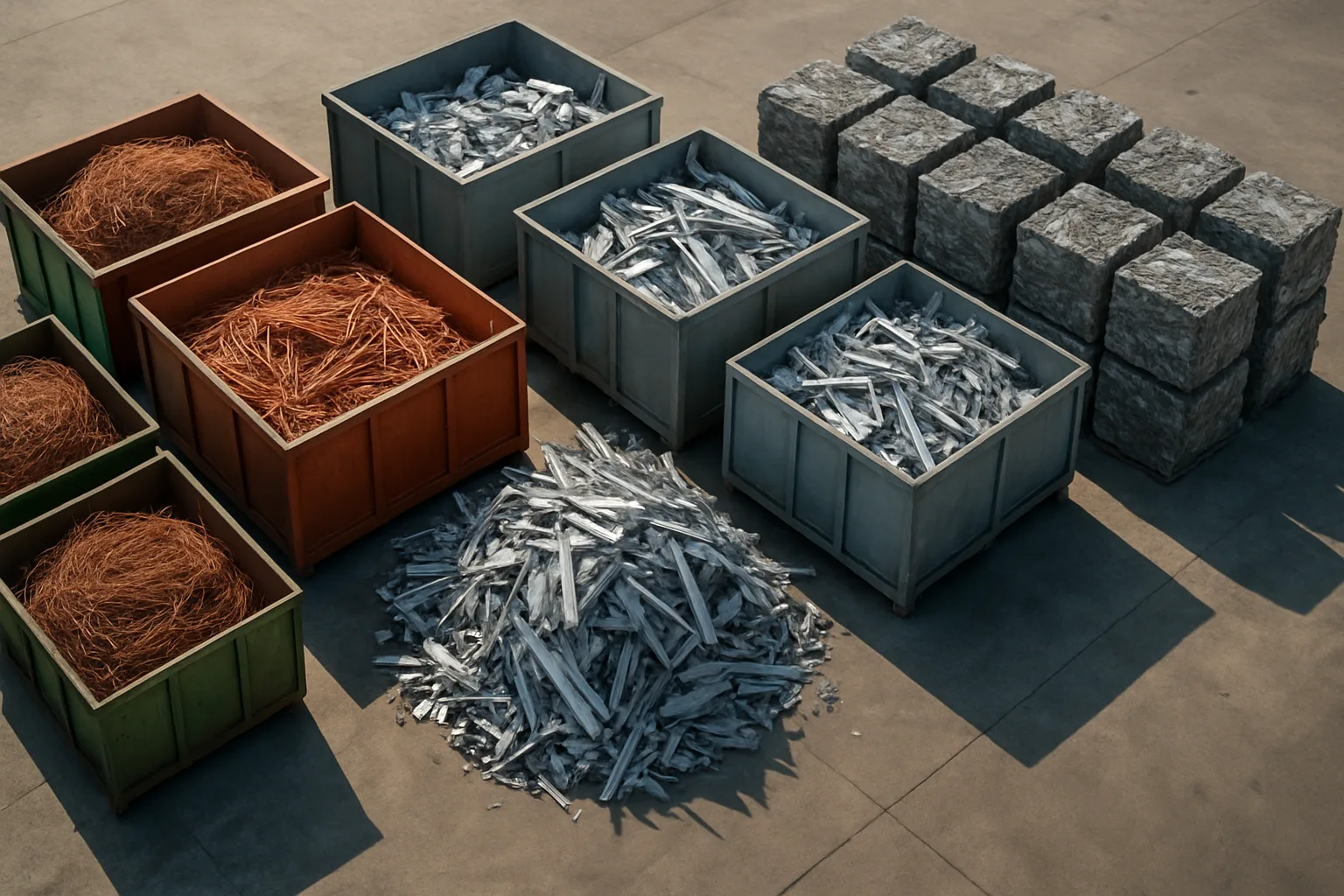
Copper sits at the top of the scrap food chain. It's dense, it's valuable, and it's everywhere — inside electrical wire, plumbing pipe, motors, transformers, and HVAC equipment. Scrap yards pay more per pound for copper than almost anything else you'll bring through their gate. Bare bright copper wire (the cleanest grade) fetches the highest rates. Insulated wire, copper tubing, and motors each fall into lower grades but still command strong prices.
The key with copper is cleanliness and grade separation. Don't mix your bare bright with insulated wire and expect top dollar. Strip what you can. Sort by grade. Bring it documented if you're selling a large load — buyers pay more when they know exactly what they're getting. Platforms like sell your scrap metal on the SMASH marketplace put your copper load in front of multiple vetted buyers simultaneously, which means actual competition drives your price instead of one buyer making a lowball offer over the phone.
- Bare bright copper wire — highest value, no insulation, no corrosion
- #1 copper — clean pipe and bus bar, no fittings or solder
- #2 copper — pipe with fittings, slightly oxidized material
- Insulated copper wire — value depends on copper recovery percentage
- Copper motors and transformers — heavy, consistent source from HVAC and industrial teardowns
If you're working in Allentown's commercial or industrial corridors, old manufacturing equipment and electrical demolition are prime copper sources. Pennsylvania's dense industrial history means copper-rich material isn't hard to find if you know where to look.
2. Catalytic Converters: Small Parts, Big Returns
A single catalytic converter can be worth more than an entire load of mixed steel. The reason is simple: cats contain platinum group metals — platinum, palladium, and rhodium — that refiners pay serious money to recover. Prices fluctuate based on the metals market, but even at conservative rates, a medium-grade cat returns far more per pound than any ferrous metal you'll find.
Catalytic converters come off cars, trucks, vans, and heavy equipment. If you're buying junk vehicles, doing auto dismantling, or collecting end-of-life cars, you're sitting on cats. The critical step is accurate identification. The value of a cat depends entirely on which vehicle it came from and which specific converter it is. A diesel particulate filter (DPF) is not the same as a three-way converter from a pickup truck. A foreign cat from a Honda or Toyota typically carries different PGM content than a domestic unit.
This is where documentation and VIN lookup tools matter. SMASH uses serial tracking and photo documentation to make sure buyers know exactly what converter is being sold — not a guess, not a description, but a verified unit with supporting data. That transparency drives better offers. To get a fair price for your scrap today, you need buyers who trust what you're selling. Documented cats get stronger bids.
- Always record the serial number before selling
- Photograph both ends and the substrate
- Separate foreign (Asian/European) from domestic units
- Don't mix DPFs with standard converters
- Large-format or exotic vehicles (diesel trucks, luxury brands) often carry premium units
3. Scrap Aluminum: High Volume, Consistent Returns
Aluminum won't match copper pound for pound, but it's everywhere and it moves fast. Rims, extrusions, siding, cast aluminum engine parts, sheet aluminum — all of it has real value, and most of it is easy to collect in quantity. For shops, contractors, and recyclers working in Allentown and across Pennsylvania, aluminum accumulates fast on any job that touches HVAC, roofing, automotive, or manufacturing.
Like copper, aluminum has grades. Cast aluminum (engine blocks, transmission cases) pays differently than extrusion (window frames, structural profiles) or sheet (roofing, siding). Contamination matters — painted or coated aluminum pulls a deduction. Aluminum with steel attachments (like rims with wheel weights) gets knocked down from clean-rim pricing.
The advantage of aluminum is volume. If you're consistently generating material — a roofing crew, a demolition operation, an auto dismantler — aluminum adds up to meaningful revenue when you're selling into a competitive market rather than accepting a single yard's posted price. Explore scrap metal selling guides to learn how grade separation directly impacts your aluminum payout.
- Clean aluminum extrusion — window frames, curtain wall, structural profiles
- Cast aluminum — engine blocks, wheels, pump housings
- Sheet aluminum — siding, roofing, ductwork
- Aluminum wire — lower value than copper wire but still non-ferrous
- Aluminum radiators — often paired with copper for combo pricing
4. Stainless Steel and Specialty Alloys: Hidden Value in Industrial Scrap
Most people lump stainless steel in with regular steel and leave money on the table. Stainless is a non-ferrous alloy. It doesn't stick to a magnet (or sticks weakly depending on the grade). And it pays significantly more than carbon steel because of its nickel and chromium content. Kitchen equipment, food processing machinery, medical equipment, chemical tanks, and restaurant exhaust systems are all common stainless sources.
Beyond stainless, specialty alloys like inconel, monel, titanium, and high-speed steel show up in aerospace, manufacturing, and tooling scrap. These are lower volume but extremely high value per pound. If you're working with industrial or aerospace teardowns in the Pennsylvania region, sorting and identifying alloys is worth the extra step. A magnet test, a spark test, or a basic XRF reading can separate a premium alloy from regular steel — and the price difference is dramatic.
The challenge with specialty metals is finding buyers who understand what they're worth. Most single-yard transactions undervalue alloys because the yard doesn't specialize in them. A scrap metal auction platform like SMASH connects specialty loads with buyers who actually process those materials — buyers who will pay closer to real market value because they need the specific material, not just any metal.
- Use a magnet — stainless is weakly magnetic or non-magnetic
- Look for grade stamps (304, 316, 430) on food service and industrial equipment
- Keep specialty alloys separate from carbon steel to avoid downgrading
- Titanium and inconel are low volume but extremely high return
Scrap Steel and Iron: Low Price Per Pound, High Volume Potential
Steel and iron anchor the scrap world by volume, even if they sit at the bottom of the price-per-pound ladder. Structural steel, rebar, sheet iron, cast iron, and heavy melt all fall into the ferrous category. The magnet sticks — that's how you know. Prices per hundredweight (CWT) or per ton fluctuate with domestic mill demand, export markets, and scrap inventory levels.
Steel makes sense when you have volume. A single piece of rebar isn't worth the trip. But a full trailer of heavy melt from a building demolition, a structural steel job, or a manufacturing surplus clearance? That's a different conversation. The key is minimizing contamination (no wood, concrete, or non-ferrous buried in the load) and understanding the difference between grades — heavy melt, busheling, shred, and cast iron all carry different prices.
Ferrous loads also benefit from competitive selling. SMASH handles full-load steel auctions with inventory documentation, BOLs, and auto-invoicing — so you're not making cold calls trying to find who's buying structural this week. You post the load, buyers compete, and you see what the market actually pays. To sell your scrap metal at top prices on Sell Scrap Metal, you need access to buyers actively looking for your material — not whoever happens to answer the phone.
Common Ferrous Scrap Categories
- Heavy melt (#1 HMS) — thick structural steel, plate, beams
- Light iron / #2 HMS — thinner gauge steel, sheet goods
- Cast iron — engine blocks, radiators, pipes
- Busheling / punchings — factory stampings, clean thin steel
- Shred / auto body — processed mixed ferrous
How to Maximize Your Return on Scrap Metal Prices Today
Collecting profitable scrap is step one. Getting paid what it's worth is step two — and most sellers stop short. Scrap metal prices today move with global commodity markets, domestic mill demand, and regional supply. Accepting the first number you're quoted doesn't tell you if you got a fair price. It tells you what one buyer decided to offer.
Here's what consistently separates high earners from average sellers in the scrap market:
- Sort by material and grade — mixed loads get mixed pricing, which usually means the worst grade price applied to everything
- Document what you have — photos, weights, serial numbers on high-value items like cats and motors build buyer confidence
- Create competition — more buyers bidding means better price discovery
- Understand timing — ferrous markets shift with mill activity; non-ferrous tracks LME closely
- Use the right selling channel — a scrap metal auction platform gets your material in front of multiple buyers at once
For sellers in Allentown and across Pennsylvania, the regional market has real depth — automotive recyclers, industrial processors, non-ferrous dealers, and large yard operators all compete for quality material. The question is whether you're reaching all of them or just one. Platforms built for this market, like SMASH, exist specifically to solve that problem. No subscription fees. We only win when you win.
When you're ready to move material, sell your scrap metal at top prices on Sell Scrap Metal — or reach out directly through the platform to get your load in front of buyers who are actively looking for what you have.
Frequently Asked Questions
Q: What type of scrap metal pays the most right now?
Copper and catalytic converters consistently rank as the highest-value scrap materials by weight. Copper grades like bare bright and #1 copper carry strong per-pound rates, while catalytic converters contain platinum group metals that can make a single unit worth significant money depending on the vehicle it came from. Scrap metal prices today fluctuate, so always check current rates before selling.
Q: Where can I sell scrap metal near me in Allentown, Pennsylvania?
Allentown has several scrap yards and recycling facilities operating across the Lehigh Valley. For larger loads or high-value material like copper, cats, or specialty alloys, using an auction platform like SMASH gives you access to multiple vetted buyers competing for your material — rather than accepting a single yard's posted price. You can sell your scrap metal on the SMASH marketplace to see what competitive bidding looks like for your load.
Q: How do scrap metal prices today compare to what yards post on their websites?
Posted prices at individual yards represent what that buyer is willing to pay — not necessarily the market rate. Prices fluctuate daily based on LME (London Metal Exchange) for non-ferrous and domestic mill demand for ferrous. Getting competing offers through an auction platform often reveals a higher market price than any single posted rate.
Q: Is it worth sorting scrap metal before selling it?
Yes — almost always. Mixed loads get priced at the lowest grade in the mix. Separating copper from aluminum, bare bright from insulated wire, and stainless from carbon steel can meaningfully increase your total payout. The extra time sorting usually returns more per hour than almost any other step in the process.
Q: Do I need documentation to sell scrap metal in Pennsylvania?
Pennsylvania has scrap dealer regulations that require identification and transaction records for certain materials, particularly catalytic converters. Requirements vary by material type and transaction size. Always check current state and local regulations before selling high-value items like cats or copper in Allentown or elsewhere in the state. Proper documentation also builds buyer trust, which can improve your offers on auction platforms.
Disclaimer: Scrap metal prices fluctuate daily based on commodity markets, regional supply, and buyer demand. The information in this article reflects general 2026 market conditions. Always verify current prices directly with buyers or through live market data before selling.
Ready to stop guessing and start selling? sell your scrap metal at top prices on Sell Scrap Metal — request a pickup or connect with buyers who are actively looking for your material today.
Stay current on scrap metal market trends, pricing shifts, and platform updates — follow SMASH on LinkedIn for regular industry insights from people who actually work in the scrap business.