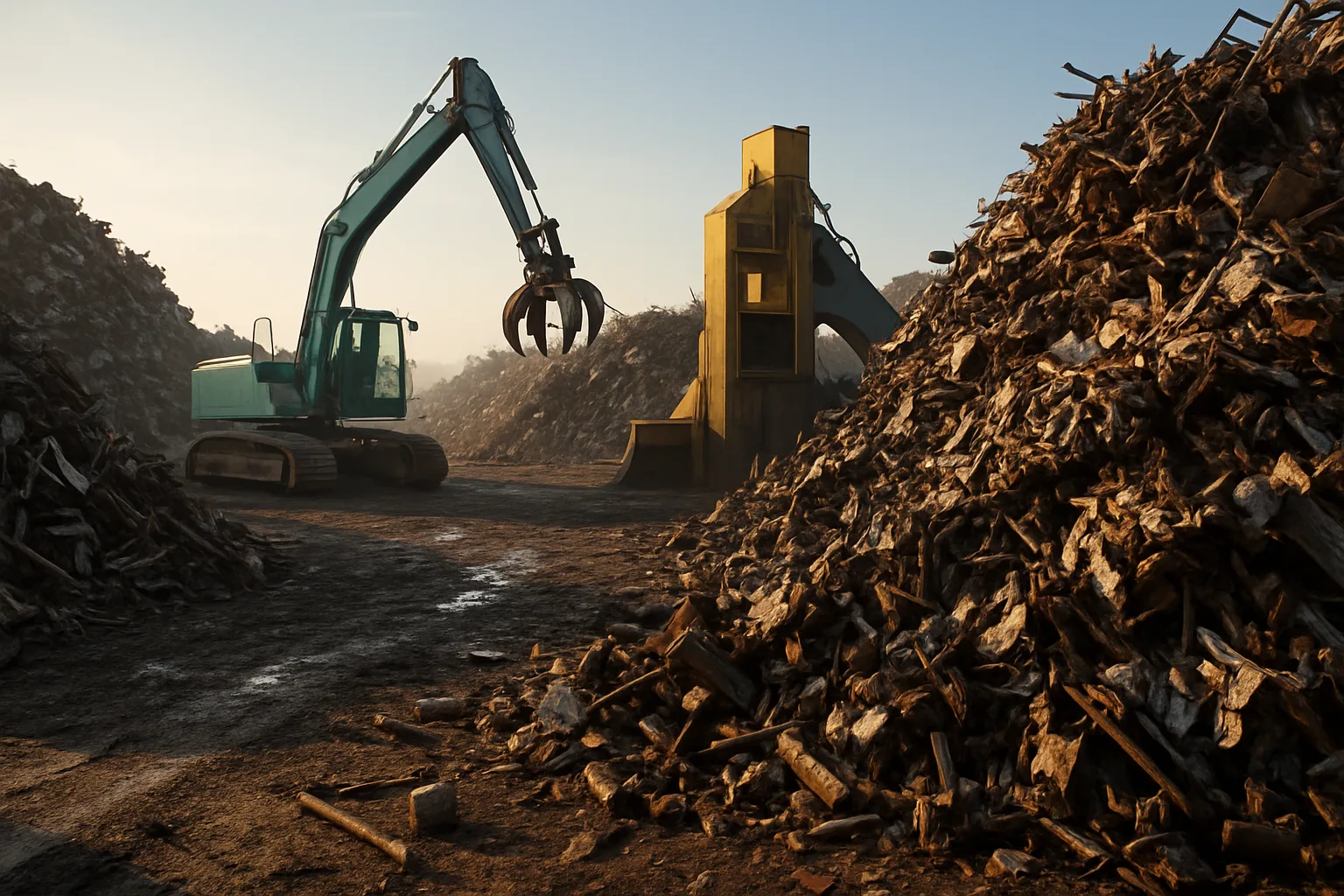
Most people selling scrap metal leave money on the table — not because the metal isn't valuable, but because they stopped at the first buyer who answered the phone. If you're sitting on copper, aluminum, steel, or catalytic converters in the New York area, the difference between a bad deal and a good one often comes down to one thing: how many buyers are competing for your load. This week's market recap breaks down what's moving, what scrap metal prices in New York look like right now, and how to make sure you're getting a fair shake before you hand anything over.
Disclaimer: Scrap metal prices fluctuate daily based on commodity markets, regional demand, and load quality. Always verify current rates before committing to a sale.
---What's Happening With Scrap Metal Prices in New York Right Now
July 2026 is shaping up to be an active month for scrap. Global steel demand has stayed firm through Q2, and non-ferrous metals — especially copper and aluminum — are seeing real buyer interest across the Northeast. New York remains one of the highest-volume scrap markets in the country, with a dense network of processors, auto recyclers, and industrial material handlers all competing for good loads.
That density is actually an advantage if you use it right. More buyers in one metro area means more competition. More competition means better price discovery. The problem is that most individual sellers — whether you're cleaning out a shop, scrapping a vehicle fleet, or moving catalytic converter inventory — still call one yard, take what they offer, and walk away. That's the old way. It works, technically. But it almost never gets you the best number.
Here's what's worth watching this week:
- Copper: Bare bright and #1 copper continue to trade at a premium. Even lower grades like insulated wire are moving well. If you're holding copper, now is a reasonable time to test the market.
- Aluminum: Extrusions and cast aluminum are steady. Sheet aluminum has seen some softness, but prepared loads are still attracting solid bids.
- Catalytic converters: PGM (platinum group metal) recovery values are the real driver here. Serial tracking matters — buyers want documented cats, not mystery boxes.
- Ferrous / Scrap Steel: Shred and HMS pricing is range-bound but consistent. Volume loads are moving faster than small lots.
The copper scrap price today is one of the most searched terms in the scrap industry — and for good reason. Copper moves fast, and even a few cents per pound adds up fast on a large load. Don't guess. Don't go off last week's number. Check it fresh every time you're ready to sell.
---Why "Near Me" Isn't the Same as "Best Price Near Me"
Searching for scrap metal pickup near me free is a reasonable starting point. Convenience matters, especially if you're dealing with heavy material or a full vehicle. But proximity and price are two different things. The yard closest to your shop or lot isn't automatically the one paying the most for your copper, your cats, or your aluminum load.
Here's the honest reality of how most local scrap transactions work in New York and across New York state:
- You call one yard.
- They quote you a price — usually based on their current buy sheet, which is set to protect their margin, not reward your material.
- You accept it because you don't have a reference point.
- You load up, drop it off, and get paid.
That process isn't broken. It's just incomplete. You got paid. But did you get paid well? Without competition, you'll never know. The right approach is to treat your scrap load like what it actually is: inventory with real market value. You wouldn't sell a commercial building to the first person who knocked on the door. The same logic applies to a drum of copper wire or a pallet of catalytic converters.
Platforms like North America's B2B scrap metal auction platform exist specifically to solve this problem. Put your load in front of multiple vetted buyers at once, and let competition do the work. That's how price discovery actually happens.
---How to Document Your Scrap Before You Sell (And Why It Matters)
Documentation is the single most underrated step in the selling process. Buyers pay more for loads they trust. A well-documented load — photos, weights, grades, serial numbers where applicable — gives buyers the confidence to bid aggressively. A mystery load gets low-balled, every time.
Whether you're selling scrap copper, scrap aluminum, or a batch of catalytic converters, here's the minimum documentation that moves the needle:
- Photos: Clear, well-lit shots of the material. Multiple angles. Don't hide contamination — disclose it up front and let the price reflect it honestly.
- Weight estimates: Even rough weights help buyers plan. Actual certified scale weights are better.
- Grade and condition: Is it bare bright copper or insulated wire? Clean cast aluminum or painted extrusion? These distinctions matter significantly to price.
- VIN lookup / Serial tracking for cats: If you're selling catalytic converters, serial numbers tell buyers exactly what they're getting. SMASH's platform supports serial tracking and photo documentation for exactly this reason.
- Packing lists and BOLs: For larger commercial loads, a proper bill of lading and packing list protects you and speeds up the transaction.
SMASH's inventory tool is built around this logic. Better documentation leads to better bids. It's not paperwork for paperwork's sake — it's how you signal to a buyer that your load is worth competing for. If you want to sell your scrap metal at top prices on Sell Scrap Metal, starting with solid documentation puts you ahead of most sellers before bidding even begins.
---Scrap Metal Recycling in New York: Knowing the Local Market
Scrap metal recycling in New York operates at serious scale. The metro area alone generates enormous volumes of ferrous and non-ferrous material from construction, demolition, manufacturing, and auto recycling. That volume means buyers are active, competitive, and — if you reach the right ones — willing to move fast on a quality load.
New York state also has specific regulations around scrap dealer licensing, transaction records, and identification requirements — particularly for catalytic converters. Regulations around cat sales have tightened across multiple states in recent years, and New York is no exception. If you're selling cats in any significant volume, make sure your documentation is clean and your buyer is operating above board. A New York scrap metal services provider worth working with will already have those compliance frameworks in place.
For industrial and commercial sellers — machine shops, demolition contractors, auto dismantlers — the volume thresholds that trigger formal documentation requirements are lower than most people assume. Don't wait until you're in a dispute to figure out what paperwork you needed. Build the habit now.
For anyone selling regularly, connecting with a scrap metal auction platform creates an automatic paper trail. Transactions are documented, buyers are vetted, and auto-invoicing handles the back end. That's cleaner than a handshake deal at the gate, especially at scale.
---The Auction Approach: Why Competition Reveals the Real Market
Here's the core argument for using a scrap metal auction platform instead of calling one buyer: you don't actually know what your load is worth until multiple buyers have looked at it and placed a number on it.
That's not an opinion. That's how price discovery works in every commodity market. One bid is a data point. Three bids are a negotiation. Five vetted buyers competing for your load is a market. SMASH operates on exactly this model — you list your inventory, buyers compete, and the price that emerges reflects real demand rather than one buyer's margin target.
There are no subscription fees on SMASH. The model is simple: we only win when you win. That alignment matters. A platform that charges you monthly regardless of outcomes has different incentives than one that succeeds only when your loads do.
If you want to get a fair price for your scrap today, the fastest path is putting it in front of buyers who are actively competing for material — not hoping the first person you call happens to be having a generous day.
---How to Get Started Selling Scrap the Right Way
Whether you're a first-time seller cleaning out a garage full of old copper pipe or a yard manager moving regular loads of non-ferrous material across New York, the process is the same. Start with good documentation. Know your grades. Don't settle for a single quote.
Here's a practical checklist before your next scrap transaction:
- Photograph your material clearly before it moves.
- Separate grades — don't mix bare bright copper with insulated wire in the same lot.
- Get at least two price quotes before committing.
- Confirm the buyer is vetted and licensed to purchase your material type.
- For cats, document serial numbers — every time, no exceptions.
- Check the copper scrap price today before you negotiate, not after.
- Use a platform that provides auto-invoicing so your records are clean.
You can also explore scrap metal selling guides for deeper dives on specific materials, pricing methodology, and how to work with buyers effectively.
Selling scrap well isn't complicated. But it does require treating the process with the same discipline you'd apply to any other business transaction. The material has real value. Get paid for it. If you're ready to stop guessing and start selling with real price discovery behind you, request a pickup or listing at sell-scrapmetal.com — and let competition do what it's supposed to do.
---Frequently Asked Questions
Q: What are scrap metal prices in New York right now?
Scrap metal prices in New York fluctuate daily based on commodity markets and regional demand. Copper, aluminum, and catalytic converter values in particular shift frequently. Always check current buy sheets or request quotes from multiple vetted buyers before selling. Prices today may differ significantly from prices last week.
Q: How do I find a scrap metal buyer near me in New York?
Start with licensed, vetted buyers rather than the nearest yard. In New York, you have access to a dense market of processors and recyclers — but proximity doesn't guarantee the best price. Using a platform that puts your load in front of multiple competing buyers gives you a real sense of market value before you commit.
Q: Is scrap metal pickup free in New York?
Many buyers offer free scrap metal pickup for loads that meet minimum weight or value thresholds. Copper loads, catalytic converters, and large volumes of aluminum typically qualify. Contact a buyer directly to confirm pickup terms before scheduling — and always get the price agreement in writing before the material is loaded.
Q: What documents do I need to sell catalytic converters in New York?
New York has regulations around catalytic converter sales that require sellers to provide identification and transaction records. Serial numbers help buyers verify the value of what they're purchasing. Selling through a documented platform with serial tracking protects both parties and keeps your records clean.
Q: What's the difference between selling scrap at a yard versus using an auction platform?
Selling at a yard gives you one price from one buyer. An auction platform puts your load in front of multiple vetted buyers who compete for it. Competition tends to reveal the actual market value of your material rather than one buyer's buy sheet price. For consistent sellers or high-value loads, the difference can be meaningful.
---Stay sharp on market moves — follow SMASH on LinkedIn for weekly scrap metal market insights, platform updates, and industry news: SMASH on LinkedIn.