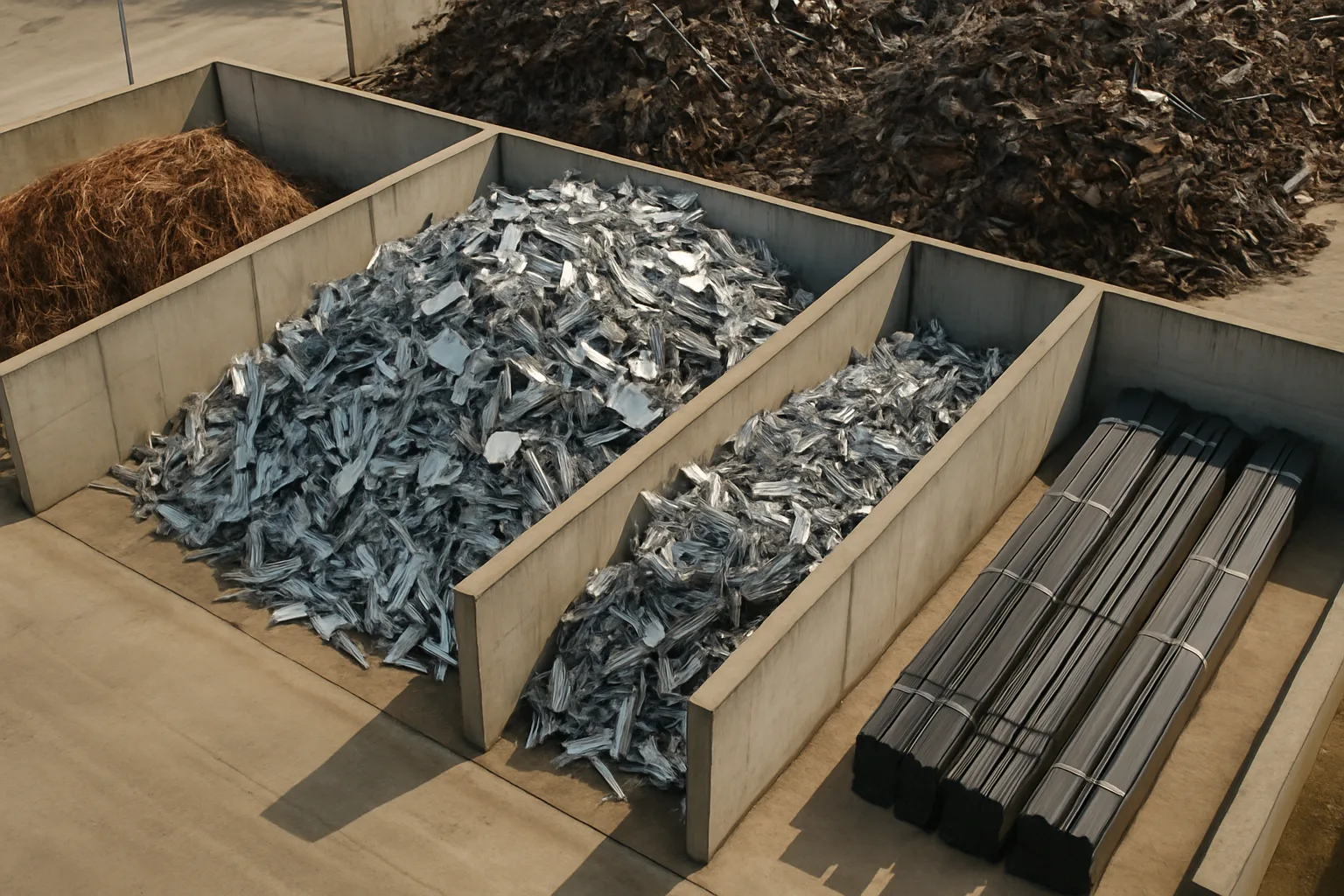
Why Sorting Your Scrap Before You Sell Is the Most Profitable Thing You Can Do
Most people leave money on the table before they ever walk through the yard gate. Not because they don't have good material — but because they show up with a mixed, unsorted load and let the buyer grade it down. If you've ever wondered why the aluminum scrap price today seems lower than what you read online, sorting is usually the answer. A mixed load almost always pays less than a clean, separated one.
This week's market recap cuts straight to the practical side: how to sort, clean, and prepare your scrap metal so you walk away with the best possible return — whether you're hauling copper wire, aluminum wheels, catalytic converters, or a mix of steel and iron. These habits pay off every single time.
Understand the Basics: Not All Metal Is Created Equal
Before you touch a single piece, you need to understand how scrap yards price material. Buyers grade based on purity, contamination, and how much work it takes them to process what you bring in. A load they can go straight to the baler or shredder pays more than one that needs sorting on their end.
Here's a quick hierarchy to keep in mind:
- Copper — One of the highest-value metals per pound. Clean bare bright copper commands a premium. Insulated wire, pipe with fittings, or copper mixed with other metals all pay less.
- Aluminum — Breakage, cast, extrusion, and sheet all grade differently. Dirty aluminum (painted, anodized, or mixed with steel) grades down immediately.
- Stainless steel — More valuable than carbon steel. A magnet helps you identify it quickly — stainless is non-magnetic.
- Catalytic converters — Priced individually based on make, model, and precious metal content. Don't mix them in a pile or you lose the ability to document and price each one properly.
- Light iron and steel — Bulk commodity pricing. Clean and dry still beats rusted and wet.
Know what you have before you haul it. That five-minute check in the driveway is worth real dollars at the scale.
How to Sort Scrap Copper for the Best Scrap Metal Prices in Charlotte
Copper is where sorting discipline matters most. The gap between the highest and lowest copper grades can be significant — and that gap comes down entirely to how clean the material is. If you're looking for the best scrap metal prices Charlotte yards will offer, arrive with sorted, clean copper and you're already ahead of most sellers.
Here's how to break it down:
- Bare bright copper — Strip the insulation completely. This is the top-tier grade. Even a small amount of insulation left on the wire drops it to a lower category.
- No. 1 copper — Clean unalloyed copper pipe and wire, free of fittings and solder. Remove brass fittings before you show up.
- No. 2 copper — Copper with minor oxidation, or with small amounts of solder or paint. Acceptable, but priced lower.
- Insulated wire — Keep gauges separated if you can. Heavy-gauge insulated wire (like romex) pays more than thin communication wire.
Use separate containers or bins for each grade. Don't throw everything into one bucket and assume the yard will sort it for you — they will, and they'll charge you for the labor by grading the whole load down.
Aluminum Scrap Price Today: What Drives Your Per-Pound Rate
Aluminum pricing is more nuanced than most sellers expect. The aluminum scrap price today reflects global commodity markets, but what you actually get at the yard depends heavily on what type of aluminum you bring and how clean it is. Yards in North Carolina price the same grades the same way — the variable is always your prep work.
The main aluminum categories you'll encounter:
- Cast aluminum — Engine blocks, transmission cases, wheels. Heavy and dense. Priced per pound based on alloy content.
- Aluminum extrusion — Window frames, door frames, railing. Cleaner grade, generally priced well.
- Sheet aluminum — Roofing, siding, flashing. Remove any steel fasteners and backing material before you sell.
- Dirty aluminum — Anything with iron content, plastic, or rubber attached. This grades at the bottom. A few minutes of prep saves you a lot of per-pound loss.
- Aluminum cans (UBC) — Used beverage containers are priced separately, usually lower than extrusion or cast. Keep them bagged and separate.
The single best thing you can do with aluminum: run a magnet over it. Pull any steel bolts, brackets, or fasteners. That 30-second step changes the grade. Platforms like find the best price for your scrap on SMASH help sellers understand exactly what grade they have before listing — so you're not guessing at the yard.
Disclaimer: Scrap metal prices fluctuate daily based on commodity markets, regional demand, and material grade. Always check current rates before selling.
Catalytic Converters, Cores, and Documentation: Don't Sell Blind
Catalytic converters are one of the most mishandled categories in scrap. Sellers routinely undervalue them by lumping them together, failing to document them, or selling to the first buyer who shows up with a number. Charlotte yards see this constantly — a load of unsorted cats that could have been individually priced and sold competitively, instead moving at bulk rates.
Here's what proper cat prep looks like:
- Record the VIN on any vehicles you're pulling cats from. VIN lookup tools connect the converter to a specific vehicle and alloy composition, which drives accurate pricing.
- Keep serial numbers legible. Don't grind, cut, or obscure any identifying markings — this also keeps you compliant with scrap metal regulations that have tightened across North Carolina and nationally in recent years.
- Photograph every unit. Front, back, end view. Photo documentation creates a record that protects you and gives buyers the confidence to bid higher.
- Don't mix cats with ferrous. A converter buried in a pile of steel signals to a buyer that you don't know what you have.
SMASH was built specifically for this kind of documented, competitive selling. Serial tracking and photo documentation are built into the platform — which means vetted buyers see exactly what you have and bid accordingly. Get a fair price for your scrap today by showing up with documented, separated material instead of a mystery pile.
Practical Sorting Setup: How to Run a Cleaner Operation
You don't need a complex system to sort effectively. You need labeled bins, consistency, and about 10 minutes of discipline per load. Here's a simple setup that works for both residential sellers and small yards:
The Five-Bin Method:
- Copper bin — Sorted by grade (bare bright, No. 1, No. 2, insulated wire in separate bags)
- Aluminum bin — Extrusion, cast, and sheet in separate bags or sections
- Stainless and non-ferrous — Anything the magnet doesn't stick to that isn't copper or aluminum
- Steel and iron bin — Bulk ferrous material, as clean and dry as possible
- Catalytic converter tray — Flat surface, each unit photographed and tagged
This isn't overkill. It's the difference between walking out of a Charlotte yard with a strong check and walking out wondering why the numbers didn't match what you expected. If you're hauling regularly, the time you invest in sorting comes back every single trip.
Want to go further? Explore scrap metal selling guides for deeper breakdowns on pricing, documentation, and working with buyers who compete for your material.
Sell Smarter: Why Competitive Bidding Beats the Single-Buyer Model
Here's the honest truth about the traditional scrap market: calling one buyer and taking their number leaves money on the table. There's no pressure on that buyer to sharpen their price. They know you might not call anyone else. That's the old way — and it costs sellers real dollars on every load.
The smarter move is competition. When multiple vetted buyers see your documented, sorted load and bid against each other, the market tells you what your material is actually worth. That's price discovery — and it works in your favor when you've done the prep work described above.
SMASH operates on exactly this model. No subscription fees. No locked-in relationships. Just your sorted, documented scrap in front of buyers who compete. Whether you're a homeowner clearing out copper pipe, a contractor moving aluminum extrusion, or a yard selling cats in volume, the platform gives your material the visibility it needs to move at a real market price.
If you're searching scrap metal near me for cash and tired of guessing whether you got a fair number — start sorting before you sell, and sell your scrap metal at top prices on Sell Scrap Metal. The prep work is free. The payoff shows up at the scale.
Charlotte sellers looking for a reliable, competitive selling experience can connect directly through Charlotte scrap metal services to get started with local buyers who know the market.
Ready to stop guessing and start selling smart? Request a pickup and put your sorted scrap in front of buyers who compete — visit sell-scrapmetal.com to get the process started today.
Frequently Asked Questions
Q: What is the aluminum scrap price today in Charlotte, NC?
Aluminum scrap prices fluctuate daily based on commodity market conditions, regional demand, and the specific grade of aluminum you're selling. Cast, extrusion, and sheet aluminum all price differently. Check current rates with local Charlotte yards or use a competitive platform like SMASH to get multiple bids and understand what your specific grade is worth right now.
Q: How do I get the best scrap metal prices in Charlotte or North Carolina?
Sorting your material by type and grade before you sell is the single most effective way to improve your payout. Yards price clean, separated loads higher because they require less processing. Selling through a competitive bidding platform like SMASH also helps — when buyers compete, you get better price discovery than a single phone call ever delivers.
Q: Can I sell scrap metal online instead of driving to a yard?
Yes. Platforms designed for sell scrap metal online transactions allow you to document your material with photos and serial numbers, list it, and receive bids from vetted buyers without making cold calls. SMASH was built specifically for this — and it works for everything from copper wire to catalytic converters to full loads of non-ferrous.
Q: What is the best way to prepare catalytic converters before selling?
Document each unit with clear photos (front, back, end view), record the VIN from the source vehicle, and keep serial numbers intact and legible. Never mix converters in with a pile of steel. Documented, individually identified cats attract higher bids from serious buyers — and keep you compliant with scrap metal regulations in North Carolina and across the US.
Q: How do I find scrap metal buyers near me that pay cash?
Searching scrap metal near me for cash will surface local yards, but the price you get depends on your prep work and whether you're selling to one buyer or multiple. Using a platform like SMASH connects you with vetted buyers across the region — and competitive bidding often reveals a stronger market price than you'd get from a single local contact.
Stay current on scrap metal market conditions and selling strategies — follow SMASH on LinkedIn for weekly industry updates, price movement insights, and practical guidance for sellers across North America.