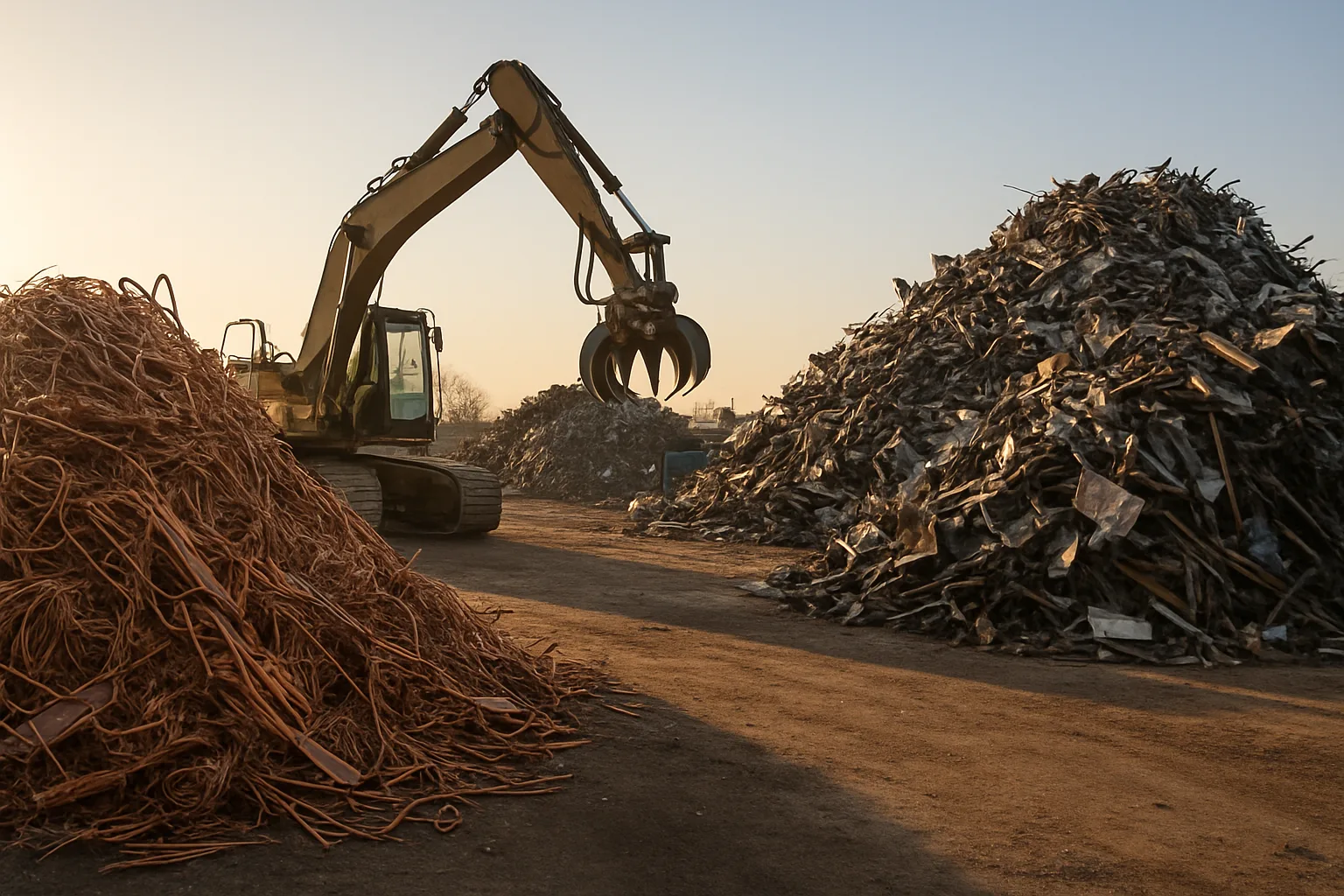
Why Sorted Scrap Always Pays More: A Prep Guide for Sellers in Rochester and Beyond
Most sellers leave money on the table before they ever make a call. Not because the market is bad — but because their metal isn't ready. If you're hauling mixed loads to a scrap yard near me without sorting first, you're letting the buyer grade your material for you. That never works in your favor.
This week's roundup focuses on something every seller should know before they load the truck: how to sort and prepare scrap metal so it comes in clean, graded correctly, and ready to compete in a B2B scrap metal marketplace. Whether you're clearing out a shop in Rochester, New York, or running a recycling operation, preparation directly affects what you get paid.
Copper scrap prices in Rochester — like everywhere else — vary based on grade. A prepared, sorted load of #1 copper bare bright will always command more than a mixed pile of dirty wire and fittings lumped together. The difference isn't small. Getting this right is one of the highest-leverage things you can do as a seller.
Ready to sell your scrap metal at top prices on Sell Scrap Metal? Start with better prep. Here's how.
Understand the Grades Before You Touch the Metal
Grading isn't just yard jargon. It determines your price tier. Every material — copper, aluminum, steel, catalytic converters — has a grading system, and buyers price accordingly. If you hand over a mixed pile, you get the lowest grade by default. That's how buyers protect themselves. You can protect yourself by knowing what you have.
Here's a quick breakdown of the most common grades you'll encounter:
- Copper #1 Bare Bright: Clean, uncoated copper wire, 16 gauge or thicker. No solder, no insulation, no oxidation. Top of the pricing ladder.
- Copper #1: Clean copper pipe and bus bar. Minimal oxidation. No solder or fittings attached.
- Copper #2: Pipe or wire with solder, paint, or minor contamination. Prices step down from #1.
- Insulated Copper Wire: Graded by copper recovery percentage. Thicker insulation = lower recovery = lower price. Stripping pays — but only if your time is worth it.
- Aluminum: Breaks into cast, extrusion, sheet, and mixed. Cast and clean extrusion pay more than mixed or painted aluminum.
- Steel and Iron: Typically priced by the ton. Cleanliness still matters — mixed iron with attached non-ferrous gets graded down.
- Catalytic converters: Priced by serial number and PGM content. A verified serial number means a fair quote. An unknown unit gets lowballed.
Platforms like SMASH Scrap — where verified buyers bid on your metal — use accurate grading and serial tracking to make sure catalytic converter loads and non-ferrous materials get priced correctly. That's what documented inventory does. It removes guesswork and gives buyers confidence to bid higher.
How to Sort Copper Scrap for Better Copper Scrap Prices in Rochester
Copper is where preparation pays off most visibly. The spread between bare bright and #2 copper can be significant on a per-pound basis — and on a 500-pound load, that gap adds up fast. Rochester-area sellers running demolition, electrical, or HVAC work deal with copper daily. Getting the separation right before you hit the yard is non-negotiable if you want top-tier copper scrap prices in Rochester.
Here's the prep process that works:
- Strip your wire. Bare bright is the top grade for a reason. A simple stripping tool pays for itself fast if you're moving volume. Even partial stripping bumps you up a grade level.
- Separate by gauge. Thin wire strips have lower copper recovery. Keep them in a separate pile from heavier gauge wire.
- Remove fittings and solder. Attached fittings on copper pipe drop you from #1 to #2. Cut them off. It takes minutes and returns real money.
- Dry your material. Wet copper adds weight in ways that don't benefit you long-term, and some yards adjust pricing for wet loads.
- Keep grades physically separated. Bins or buckets work. Label them. When you arrive, you want zero ambiguity about what's in each container.
The principle is simple: the less work the yard has to do, the more of the value stays with you. When your copper comes in sorted and clean, the buyer's risk drops. Lower risk means better price discovery — and that's exactly what a competitive B2B scrap metal marketplace is built to deliver.
Scrap Metal Prices in Rochester: Why Aluminum and Steel Prep Also Matters
Copper gets the attention, but scrap metal prices in Rochester across aluminum and steel categories are also directly tied to how well you prepare. Aluminum especially has wide grade variation. A load of clean 6061 extrusion is not the same as a load of painted mixed sheet with attached hardware. Buyers know the difference. You should too.
For aluminum:
- Remove steel bolts, screws, and inserts before bringing in aluminum extrusion or castings.
- Separate painted aluminum from clean, unpainted material.
- Keep cast aluminum (engine parts, wheels) separate from sheet and extrusion — they price differently.
- Aluminum wheels with steel valve stems still attached get graded down. Pop them out.
For steel and iron:
- Separate clean steel from iron. They're not the same commodity.
- Remove non-ferrous attachments. Copper fittings left on steel pipe contaminate the load.
- Oversized pieces may need cutting. Call ahead — some yards charge for torch cutting or won't accept oversized.
If you're sourcing materials from multiple job sites and consolidating loads in New York state, consistent sorting discipline keeps your operation running smoothly and your averages strong. Don't let one dirty, mixed load drag down your per-load economics.
Catalytic Converters: Document Everything Before You Sell
If there's one scrap category where documentation has become mandatory in 2026, it's catalytic converters. Regulations across New York and much of the U.S. now require transaction records, seller identification, and in many jurisdictions, serial number documentation for converter purchases. Yards that don't ask for this are running risk — and so are you if you show up unprepared.
Here's what proper catalytic converter prep looks like:
- Record the serial number from the converter shell before you sell. Platforms with VIN lookup and serial tracking make this verifiable and clean.
- Photograph your units. Top, bottom, and serial. This protects you and speeds up the transaction.
- Know what you have. Direct-fit converters from specific makes and models carry different PGM content than universal units. A Toyota Prius converter is not priced the same as a standard domestic unit.
- Separate your grades. High-grade, mid-grade, and foil/bead units should be separated. Lumping them together pulls your average price down.
SMASH uses serial tracking and photo documentation built into its platform — so when a load of cats goes to auction, buyers are pricing real, documented inventory, not a mystery pile. That matters for your return. If you're selling converters regularly in Rochester or anywhere in New York, you should be working with a platform that handles compliance documentation as part of the process.
Build a Prep System That Works Every Time
One-time prep isn't enough. If you're selling scrap regularly — whether you're a recycler, a contractor, or a metals dealer — you need a repeatable system. That's how you eliminate the "I'll sort it later" trap that costs sellers money week after week.
A simple system looks like this:
- Sort at the source. Don't bring everything back to one pile. Keep bins on the job site or in the yard — one for copper, one for aluminum, one for steel.
- Prep before you load. Stripping, cutting, and removing attachments is faster when material is still loose, not compressed in a truck bed.
- Document as you go. Photos and weights before the load moves. This protects you if there's a dispute and gives online buyers the info they need to bid confidently.
- Know the market before you call. Scrap metal prices fluctuate daily. Checking current rates — and using platforms that bring multiple buyers to your load — gives you real leverage.
Sellers who use this approach consistently report fewer pricing disputes and faster transactions. More importantly, bringing documented, sorted material into a competitive marketplace gives buyers the confidence to bid at the top of their range — not the bottom. You can explore scrap metal selling guides on this blog for more tactics on getting the most from every load.
When you're ready, get a fair price for your scrap today — bring sorted, documented material and let competition do the rest.
The Closing Case for Prep: Less Guessing, More Money
The old way is one call, one buyer, one guess at what your pile is worth. That model doesn't serve sellers. Sorted, documented, properly graded metal in a competitive auction environment is a fundamentally different situation — and it's one you can create every time with consistent prep habits.
Rochester-area sellers dealing in scrap copper, aluminum, steel, or catalytic converters have access to the same tools and platforms as anyone in the country. The question is whether you're using them. Prep is the part that's entirely in your control. Do it right, and the market reflects it.
If you're ready to stop guessing and start getting real competitive quotes on sorted, documented loads, sell your scrap metal at top prices and request a pickup at sell-scrapmetal.com. That's where the process gets simple.
Disclaimer: Scrap metal prices fluctuate daily based on commodity markets, material grade, and regional demand. Always check current rates before selling. Nothing in this article should be taken as a guaranteed price or market prediction.
Frequently Asked Questions
Q: How do copper scrap prices in Rochester compare to national averages?
Copper scrap prices in Rochester generally track national commodity benchmarks, with some variation based on local demand, yard competition, and material grade. The best way to know your local rate is to get multiple quotes — something a B2B scrap metal marketplace makes easy by bringing verified buyers to your load directly.
Q: Is it worth stripping copper wire before taking it to a scrap yard near me?
In most cases, yes — especially for heavier gauge wire. Stripping wire moves it from insulated copper into bare bright, which commands the highest copper price tier. For very thin wire where the copper recovery rate is low, the math may not always work out. Compare the stripped versus unstripped price at your yard before committing time to the process.
Q: What documentation do I need to sell catalytic converters in New York in 2026?
New York state and many local jurisdictions require sellers to provide identification, vehicle information, and serial number documentation when selling catalytic converters. Requirements can vary by county and buyer, so confirm with your specific buyer before the transaction. Platforms like SMASH that include serial tracking built into the process help ensure compliance from both sides.
Q: What's the difference between scrap metal prices and scrap metal market prices?
Scrap metal prices are what a specific yard or buyer offers you for your material on a given day. Market prices reflect the broader commodity exchange rates for metals like copper, aluminum, and steel. The gap between market price and what you're offered is where prep and competition matter most — better-prepared material sold through a competitive platform closes that gap.
Q: How does a B2B scrap metal marketplace like SMASH work for sellers?
SMASH connects sellers with vetted buyers who compete in an auction format for documented loads of scrap metal. Instead of calling one buyer and taking their number, your material — sorted, photographed, and described accurately — goes in front of multiple buyers at once. More competition means better price discovery. There are no subscription fees; SMASH only earns when you sell.
Follow SMASH on LinkedIn for weekly scrap metal market insights, industry updates, and tips on getting the most out of every load you sell.