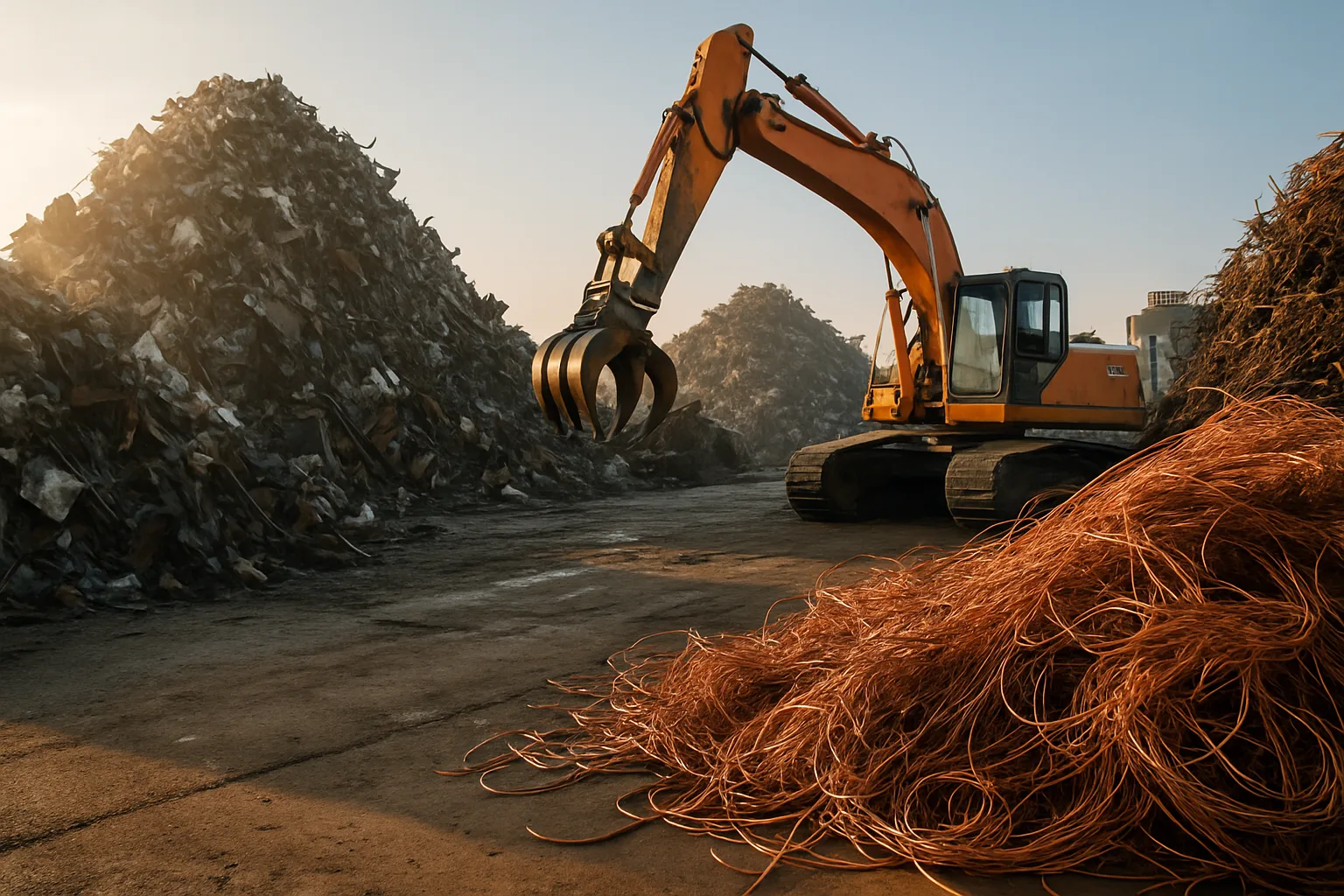
Why the Scale and the Grade Sheet Determine Your Copper Scrap Prices in Houston
You loaded the truck. You drove to the yard. And then the number they gave you was nothing like what you expected. Sound familiar? Understanding how recycling yards actually weigh and grade your scrap metal is the difference between leaving money on the table and walking away with a fair deal — especially when copper scrap prices in Houston can swing significantly based on how your material gets classified.
This isn't abstract theory. Every pound of copper, aluminum, and steel you bring in gets evaluated through a process that combines physical measurement with visual grading. If you don't understand that process, you're negotiating blind. Let's fix that.
How Recycling Yards Weigh Your Scrap — and Where Errors Happen
The scale is the first stop. Most commercial recycling yards use a certified truck scale — a large platform scale that weighs your entire vehicle loaded, then again empty. The difference is your gross scrap weight. For smaller loads, a floor scale or industrial bench scale handles individual bins and bags of non-ferrous material like scrap copper or scrap aluminum.
This sounds simple. It usually isn't. Here's where disputes happen:
- Tare weight errors: If your vehicle tare (empty weight) isn't accurate — because you left tools, gas, or equipment in the truck — you'll get shorted on your payout.
- Moisture content: Wet scrap weighs more. Some yards will apply a moisture deduction to wet ferrous loads. Outdoor-stored steel or aluminum that's been rained on can carry real hidden weight.
- Mixed loads: If copper and steel are tangled together, the yard may weigh the whole load at the lower rate until it's sorted. Always separate your materials before arriving.
- Scale certification: Reputable yards use state-certified scales inspected regularly. If a yard can't show you their scale certification, that's a red flag worth noting in Texas or anywhere else.
The weighing step looks mechanical, but your prep work before the yard visit directly affects the number on the ticket. Separated, dry, uncontaminated loads almost always yield better results — and better scrap metal prices in Houston — than mixed, wet, or contaminated material.
The Grading System: Why Two Loads of Copper Aren't Equal
Weight is just one variable. Grade determines your price per pound. And the grading system for non-ferrous metals like copper is more granular than most sellers realize.
Here's how copper grades typically break down in the scrap industry:
- #1 Copper (Bare Bright): Clean, uncoated, unalloyed copper wire — 16 gauge or thicker. No insulation, no solder, no fittings. This is the top grade and commands the highest price per pound.
- #1 Copper: Clean copper pipe, tubing, and bus bars with no significant corrosion or paint. Slightly lower than bare bright.
- #2 Copper: Copper with some oxidation, light coatings, fittings, or minor contamination. Noticeably lower price.
- #3 Copper / Copper Breakage: Heavily oxidized, painted, or dirty copper. Often mixed with other materials. Lowest copper grade.
- Insulated Wire: Priced based on copper recovery percentage — the estimated weight of actual copper inside the insulation. A thick THHN wire recovers more than a thin extension cord.
If you bring in what you think is #1 copper and the yard downgrades it to #2, that gap translates directly into dollars per hundred pounds. Knowing what you have before you arrive — and presenting it cleanly — is real money. Platforms like find the best price for your scrap on SMASH give sellers access to vetted buyers who bid competitively on documented, graded loads rather than accepting whatever the first yard offers.
Aluminum Scrap Value: How Alloy and Contamination Affect Your Grade
Aluminum is not just aluminum. Aluminium scrap value varies dramatically depending on alloy type, form, and contamination level. A Houston yard processing both sheet aluminum and cast engine blocks will apply completely different price tiers to each.
Common aluminum grades in the scrap trade:
- Clean Sheet Aluminum (6061, 3003): High-value flat stock, extrusions, and sheet metal with no paint or coatings. Strong per-pound price.
- Cast Aluminum: Engine blocks, transmission cases, and other cast parts. Generally lower per pound than sheet but still a solid return given the volume.
- Painted or Dirty Aluminum: Siding, window frames, and heavily coated material. Downgraded for contamination — expect a meaningful price reduction.
- Aluminum Cans (UBC): Used beverage containers are traded at their own price point, separate from structural aluminum.
- Mixed or Irony Aluminum: Aluminum with steel fasteners, brackets, or attachments attached. The iron content pulls down the grade significantly until the material is cleaned up.
The practical takeaway: remove steel hardware from aluminum frames before you go. Pop out rivets. Strip off steel brackets. That five minutes of prep can shift you from a mixed-aluminum price to a clean-sheet price on a meaningful volume of material. For B2B sellers moving commercial quantities in the Houston area, those grade differences compound fast across a large load.
What a B2B Scrap Metal Marketplace Does Differently With Graded Loads
Here's the core problem with the traditional yard model: you get one price, from one buyer, on one day. You have no way to know if that price reflects the actual market or just what that yard wants to pay that week.
A B2B scrap metal marketplace changes that dynamic completely. When you document your load — weights, grades, photos, serial tracking where applicable — and put it in front of multiple vetted buyers simultaneously, competition does the work. More buyers bidding on the same documented load means better price discovery. That's not a theory; that's how commodity markets work.
SMASH is built specifically for this. Yards and commercial sellers list their loads with full documentation. Vetted buyers compete. Auto-invoicing handles the paperwork. There's no subscription fee — SMASH only wins when you win. For Houston recyclers moving regular volume across copper, aluminum, steel, and catalytic converters, that structure makes a real difference over time.
If you're searching for scrap metal near me prices and wondering why the numbers vary so much between yards, the answer is usually buyer competition — or the lack of it. Sell your scrap metal at top prices on Sell Scrap Metal to start accessing a wider market for your material.
How Houston Sellers Can Use the Grading Process to Their Advantage
The grading and weighing process isn't something that happens to you — it's something you can prepare for. Houston yards handling large commercial volumes deal with sellers every day who show up with poorly sorted loads and then argue about the grade. Don't be that seller. Be the one who makes the yard's job easier and takes home a better price for it.
Practical steps to maximize your payout before the scale:
- Sort by metal type before you leave your facility. Copper separate from aluminum. Steel separate from non-ferrous. Catalytic converters sorted and inventoried individually — VIN lookup and serial tracking matter here.
- Clean your material. Remove plastic end caps, steel fittings from copper pipe, and rubber insulation where practical. Clean #1 copper pays significantly more than dirty #2.
- Keep your load dry. Don't let aluminum sheet or copper wire sit uncovered before transport. Moisture adds weight you won't get paid for and can trigger contamination deductions.
- Document everything. Photos of your load before departure. Weights from your own scale if you have access. BOLs and packing lists for large commercial shipments. Good documentation protects you if a grading dispute comes up.
- Know the market before you go. Copper scrap prices in Houston move with the London Metal Exchange and domestic demand. Showing up with a sense of the current market — not last month's market — gives you a baseline to evaluate what the yard offers.
Houston's industrial base — energy, manufacturing, construction — means there's genuine volume moving through Texas yards every week. That means buyers compete for good, consistent material. Use that to your advantage. Houston scrap metal services are available to help you navigate the local market and connect with buyers who value clean, well-documented loads.
Working with platforms like SMASH gives you a structured way to present documented inventory to multiple buyers instead of relying on one yard's offer. Explore scrap metal selling guides to go deeper on grading specifics, pricing trends, and how to document loads for better results.
If you're ready to stop guessing and start selling your material to the highest qualified bidder, get a fair price for your scrap today — the market is more competitive than your current buyer wants you to know.
Disclaimer: Scrap metal prices fluctuate daily based on global commodity markets, local demand, and material grade. Always verify current rates before selling.
Frequently Asked Questions
Q: How do Houston scrap yards determine the grade of my copper?
Graders visually inspect your copper for cleanliness, oxidation, coating, and alloy purity. Bare bright copper — clean, uncoated wire 16 gauge or thicker — gets the top grade. Pipe with fittings, oxidized material, or painted copper drops to #2 or lower. The cleaner and more separated your load, the better the grade you'll receive.
Q: Why are scrap metal prices in Houston different from yard to yard?
Each yard sets its own buy prices based on their current inventory, overhead, buyer relationships, and how aggressively they want to acquire certain materials. A yard that's heavy on copper may offer less than one that needs to fill a load for an export shipment. Using a competitive platform with multiple buyers helps reveal the real market instead of accepting one yard's number.
Q: How is aluminium scrap value calculated at the yard?
Yards price aluminum based on alloy type, cleanliness, and form. Clean sheet aluminum and extrusions trade higher than cast or painted material. Irony aluminum — aluminum with attached steel hardware — is heavily discounted until cleaned. Removing steel fasteners and brackets before arrival can meaningfully increase your per-pound return.
Q: What documentation should I bring when selling scrap metal near me?
For smaller loads, a valid government-issued ID is typically required — Texas law requires recyclers to record seller information. For large commercial loads, bring BOLs, packing lists, and any serial numbers or VINs for regulated material like catalytic converters. Photo documentation of your load before transport also protects you in grading disputes.
Q: Does SMASH work for individual sellers or only for businesses?
SMASH is built primarily for yards and commercial sellers moving meaningful volumes of scrap — loads that benefit from competitive bidding and documented inventory. If you're a recycling yard, contractor, or industrial operation in Houston or anywhere across North America, SMASH connects you with vetted buyers competing for your material with no subscription fees.
Ready to stop accepting the first number you hear? Sell your scrap metal at top prices — request a pickup at sell-scrapmetal.com and let competition work in your favor.
Follow SMASH on LinkedIn for scrap metal market updates, pricing insights, and industry news delivered straight to your feed.