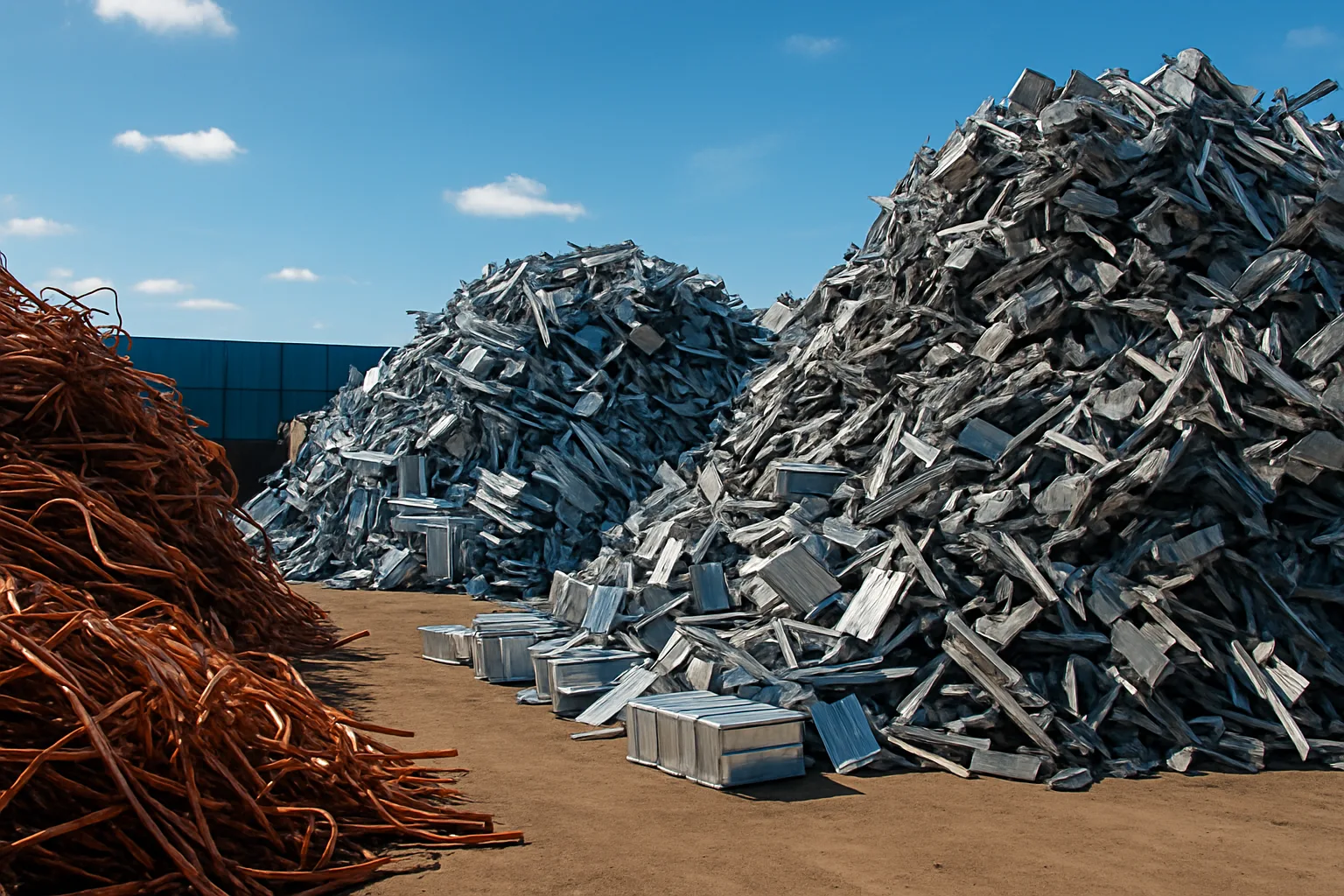
Most scrap yards treat stainless steel like it's all the same. It isn't — and that mistake costs sellers real money every time a load goes out the door.
Stainless steel is one of the most misunderstood materials in the scrap metal world. It looks similar across grades, but the value can swing dramatically depending on the nickel and chromium content inside. If you're hauling stainless to a yard in Grand Forks without knowing your grade, you're essentially letting someone else decide what your metal is worth. That's not a position you want to be in.
This guide breaks down the most common stainless steel scrap grades, what drives their pricing, and how to sell your scrap metal at top prices on Sell Scrap Metal — whether you're cleaning out a commercial kitchen, scrapping industrial equipment, or moving mixed loads from a job site.
Why Stainless Steel Scrap Grades Actually Matter for Your Payout
Stainless steel isn't a single alloy — it's a family of alloys. The grade determines the nickel content, and nickel is where a significant portion of the value lives. A load of 304 stainless and a load of 430 stainless look almost identical to the untrained eye, but they can carry very different prices at the scale.
Buyers price stainless based on what they can recover from it downstream. Higher nickel content means higher recovery value, which means better offers. When you walk in without knowing your grade, you give the buyer the upper hand. Identification is one of the simplest ways to protect your margin.
Here's a quick look at the most common grades you'll encounter:
- 304 Stainless Steel — The workhorse. Contains roughly 8–10% nickel and 18% chromium. Found in food processing equipment, restaurant gear, sinks, tubing, and industrial tanks. One of the most traded stainless grades in scrap.
- 316 Stainless Steel — Higher value than 304. Contains molybdenum in addition to elevated nickel. Common in marine equipment, pharmaceutical manufacturing, and chemical processing. Typically commands a price premium over 304.
- 430 Stainless Steel — Ferritic grade, no nickel. Magnetic. Used in appliances, automotive trim, and food equipment where corrosion resistance matters but not marine-grade durability. Significantly lower scrap value than 304 or 316.
- 410 Stainless Steel — Martensitic, moderate chromium, minimal nickel. Found in cutlery, valve trim, and some turbine blades. Value sits below 304-grade material.
- Turnings and Solids — Stainless is also priced by form. Clean solids fetch better rates than turnings or mixed clips. Contaminated material gets discounted, sometimes heavily.
The practical takeaway: separate your grades before you sell. Mixed loads often get priced at the lowest common denominator. Sort it, know it, and you'll see better numbers.
Stainless Steel Scrap Prices Today — What Drives the Market in 2026
Stainless steel scrap prices today don't move in isolation. They track the London Metal Exchange nickel price, global stainless steel mill demand, and regional supply conditions. In 2026, nickel markets remain active, with EV battery manufacturing and stainless production both competing for supply. That dynamic keeps stainless scrap pricing relevant and relatively firm compared to some ferrous grades.
That said, prices fluctuate. A load you price out on Monday may quote differently by Thursday, especially in volatile weeks. This is why real-time price discovery matters — and why platforms like get competitive bids for your scrap metal through SMASH exist. When multiple vetted buyers compete for your material, you stop guessing what the market is and start seeing it directly.
A few factors that move stainless scrap prices at the local level:
- Nickel spot price — The biggest lever. Watch LME nickel if you're moving volume regularly.
- Mill buying activity — When domestic stainless mills are running full production schedules, demand for scrap feedstock rises.
- Contamination and cleanliness — Oil, paint, rubber, or attached non-stainless components reduce your payout. Clean material gets premium treatment.
- Regional supply — In markets like North Dakota, stainless scrap supply is thinner than in major industrial corridors. That can work in your favor when local demand picks up.
- Form and preparation — Baled or sheared material may move easier than loose bulk, depending on the buyer's processing setup.
Disclaimer: Scrap metal prices fluctuate daily based on commodity markets, regional demand, and material condition. Always check current rates before selling — never rely on prices from a previous week or month.
How to Identify Your Stainless Grade Before You Sell
You don't need a metallurgy lab to sort stainless scrap, but you do need a few basic tools and some practice. The most reliable field method is a combination of a magnet test and a surface observation — not perfect, but practical for most yard-bound loads.
The magnet test: 304 and 316 stainless are austenitic — they're non-magnetic (or very weakly magnetic in cold-worked material). 430 and 410 are ferritic or martensitic — they're magnetic. If your stainless sticks hard to a magnet, assume it's a lower-nickel grade like 430. That matters for your price expectations.
Other identification tips for sellers in Grand Forks and across North Dakota:
- Check for stamped grade markings on equipment tags, flanges, or fittings. Industrial surplus often has grade stamps directly on the metal.
- Know your source material. Restaurant equipment is almost always 304. Marine and pharmaceutical surplus is often 316. Appliances are frequently 430.
- Use an XRF analyzer if you're moving significant volume — many larger scrap yards have portable units, and getting your material tested before selling is a legitimate ask for big loads.
- When in doubt, ask for a breakdown. A buyer who grades your material before weighing it is being transparent. One who just throws everything in the same pile probably isn't giving you a grade-specific rate.
Documentation helps here too. Platforms built around scrap metal selling guides and structured transactions push sellers to document their material — grade, weight, condition, photos. That documentation gives buyers confidence, which translates to more competitive offers and fewer disputes at the gate.
Sell Scrap Metal in Grand Forks — What the Local Market Looks Like
Grand Forks sits in a position that's both a challenge and an opportunity for scrap sellers. It's a regional hub with real industrial activity — agricultural equipment, food processing, construction, and energy sector surplus all generate stainless scrap on a regular basis. But it's not a major metro market, which means fewer competing buyers at the local level.
That's exactly why broadening your buyer pool matters. If you're only calling one yard, you're getting one bid. Stainless is a specialty material, and specialty buyers — mills, secondary processors, export traders — often pay better than general scrap yards. The problem is finding them. That's the gap that SMASH closes by connecting sellers with vetted buyers across North America who are actively looking for specific grades of material.
For sellers working Grand Forks scrap metal services, the practical advice is simple: separate your stainless by grade, document it properly, and don't settle for the first number you hear. Competition is how you find the real market price — not a favor someone does for you.
If you're new to selling non-ferrous or specialty metals, start with the basics: weigh your material, identify the grade, and get at least two quotes before committing. That discipline alone can meaningfully improve your results over time.
Stainless, Aluminum, and Copper — Selling Mixed Non-Ferrous Loads
Stainless scrap rarely travels alone. Most industrial and commercial cleanouts involve a mix of stainless, scrap aluminum, scrap copper, and sometimes catalytic converter material if you're working with automotive or equipment exhausts. How you handle that mix determines a lot about your final check.
The core rule: separate before you sell. Mixed loads almost always get priced at the lower-value component rate, or you take a significant processing fee. A bin with 304 stainless, 6061 aluminum, and bare bright copper should never sell as a mixed pile — those are three distinct commodities with distinct buyers.
Aluminum scrap price today varies by alloy just like stainless does. Cast aluminum, extrusion, sheet, and painted material all carry different values. Same with copper — bare bright, #1 copper, #2 copper, and insulated wire are graded and priced separately for a reason. If you're selling a commercial cleanout in Grand Forks with multiple metals involved, sort it or expect a blended rate that doesn't reflect the full value of your best material.
SMASH's platform handles multi-commodity loads with documentation and photo requirements built into the listing process. Buyers see exactly what they're bidding on, which reduces the guesswork and the discount that usually comes with it. When you want to get a fair price for your scrap today, that kind of transparency isn't optional — it's the baseline.
Regulation Updates in 2026 — What Stainless Scrap Sellers Need to Know
Scrap metal regulation has continued to evolve in 2026. While stainless steel doesn't carry the same theft-alert status as copper or catalytic converters, sellers still need to stay current on documentation requirements, especially for commercial volumes.
Here's what's relevant for sellers operating in North Dakota and across the broader region:
- Seller ID requirements — Most states require government-issued ID for scrap metal transactions above a threshold weight or dollar value. North Dakota's dealer and recycler regulations apply to commercial sellers and require transaction records. Keep your paperwork clean.
- Business-to-business transactions — If you're selling as a business, expect buyers to require proof of ownership or source documentation on industrial lots, especially for high-value alloys like 316 stainless.
- Export controls on specialty alloys — Certain stainless grades containing specific trace elements are subject to export monitoring under updated federal trade regulations in 2026. If you're selling into export channels, verify the buyer's compliance standing.
- Environmental handling — Stainless from industrial sources may carry surface contamination (oils, coolants, coatings). Some buyers require certified clean material, particularly for direct mill charges. Know what your buyer expects before delivery.
- Digital record-keeping — Several jurisdictions have moved toward electronic transaction reporting for scrap dealers. Platforms that auto-generate invoices and packing lists help both sides stay compliant without extra paperwork.
Staying current on regulation isn't just about compliance — it's about not losing a load at the gate because your documentation didn't meet the buyer's requirements. The more competitive your transaction process, the more important clean paperwork becomes.
Frequently Asked Questions
Q: How do I know what grade of stainless steel scrap I have?
Start with a magnet test — non-magnetic stainless is usually austenitic (304 or 316), while magnetic stainless is typically a lower-value ferritic grade like 430. Check for stamped grade markings on equipment tags or fittings. For large volumes, ask the buyer to run an XRF test before weighing your load.
Q: What is stainless steel scrap worth compared to other metals?
Stainless steel scrap prices sit above carbon steel and most aluminum grades but below copper. The exact number depends on the grade — 316 stainless typically pays more than 304, which pays more than 430. Prices shift daily with the nickel market, so always check current rates before you sell. Prices fluctuate — verify current scrap metal prices today before committing to a transaction.
Q: Where can I sell scrap metal in Grand Forks, North Dakota?
Local scrap yards in Grand Forks accept stainless and other non-ferrous metals. For better price discovery — especially on specialty grades or larger loads — consider listing through a platform like SMASH, which connects you with vetted buyers competing for your material across North America. More buyers means better pricing information and less guesswork.
Q: Should I separate stainless from aluminum and copper before selling?
Yes — always. Mixed non-ferrous loads typically get priced at the lowest-value material in the mix, or the buyer charges a sorting fee. Separating 304 stainless, aluminum, and copper into distinct categories takes extra time but consistently produces better total payouts. It's one of the simplest ways to increase your check without changing what you're selling.
Q: How do I find the best scrap metal prices near me in Grand Forks?
Get multiple quotes. One yard, one price — that's not how you find the market rate. Platforms like SMASH bring multiple vetted buyers to your material so you can see real competitive offers rather than a single take-it-or-leave-it number. Document your material well, know your grade, and let competition do the work.
If you're sitting on stainless steel scrap, mixed non-ferrous loads, or anything in between, don't leave money on the table by skipping the sorting step or accepting the first number you hear. Know your grades, document your material, and bring competitive buyers to the table. When you're ready to move your material, sell your scrap metal at top prices on Sell Scrap Metal — request a pickup at sell-scrapmetal.com and find out what your load is actually worth.
Follow SMASH on LinkedIn for ongoing scrap metal market insights, industry updates, and pricing trends that matter to sellers across North America.
```